

Bringing home a new puppy is exciting, emotional, and sometimes a little overwhelming. Many new puppy owners immediately start researching potty training, obedience cues, and the best toys to buy. However, the truth is that the first week with a puppy is not really about training commands at all.
Instead, the first week should focus on helping your furbaby feel safe, adjusting to their new environment, and beginning positive puppy socialization experiences with their new family.
Think about what your pup has just experienced. In a short period of time they were removed from their mother, separated from their littermates, placed in a car, and brought into a completely new home. Everything around them now smells, sounds, and feels different. Even confident puppies can feel overwhelmed by this transition.
During these early days, your new puppy is forming important associations about their new world. Positive, calm experiences help build confidence. On the other hand, stressful or overwhelming situations can make a young pup fearful or uncertain.
In my experience working with puppies and foster dogs, the owners who focus on creating a calm, predictable first week often end up with puppies that adjust more quickly and develop into more confident adult dogs.
The good news is that helping your puppy through this adjustment period does not require complicated training. Instead, it starts with understanding what your furbaby needs most during those first few days at home.
The first week with a new puppy is not just about settling in. It also happens during one of the most important developmental periods in a dog's life.
Puppies go through several early developmental stages, including a fear period that commonly occurs between eight and eleven weeks of age. During this stage, puppies are especially sensitive to new experiences. Positive introductions can help build confidence, while frightening or overwhelming situations can create lasting negative associations.
Many puppies go home to their new families around eight weeks of age. Unfortunately, the first week in their new home often overlaps with this important stage of development.
This does not mean owners should avoid new experiences entirely. However, it does mean that introductions to people, environments, and handling should be calm, controlled, and positive.
Organizations such as the Association of Professional Dog Trainers and the Pet Professional Guild emphasize that early experiences play a critical role in shaping how dogs respond to the world later in life. Puppies that receive safe, thoughtful socialization are more likely to grow into confident, adaptable adult dogs.
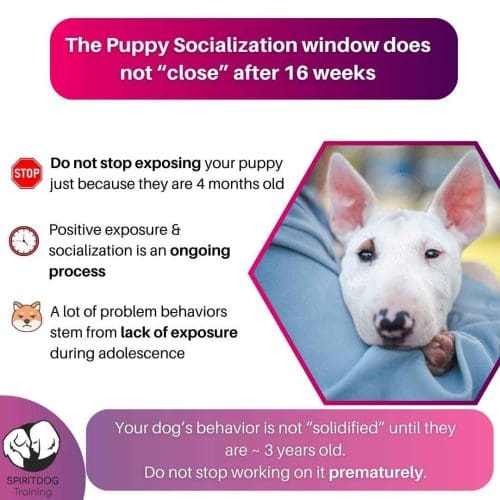
On the other hand, puppies that are overwhelmed or frightened during this sensitive period may develop fear-based behaviors that can be much harder to change later.
That is why the goal during the first week is not to rush through training milestones. Instead, the focus should be on helping your pup feel safe, secure, and comfortable in their new environment.
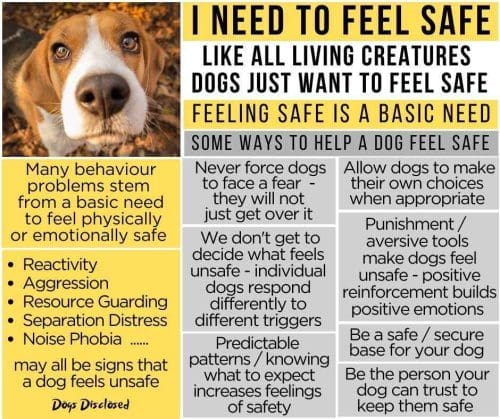
One of the most common mistakes new puppy owners make is trying to do too much too quickly.
After all, it is exciting to bring home a new furbaby! Friends and family want to visit. Owners want to start training right away. Some people even begin introducing their young dog to busy parks, dog-friendly stores, or large gatherings during the first few days.
However, from your pup's perspective, everything has changed overnight. Your puppy has just left the only home they have ever known. Their mother and littermates are gone, the smells are different, and the routines are unfamiliar. Even something as simple as their first car ride can be a big experience. Because of this, most puppies benefit from a short decompression period when they first arrive in their new home.
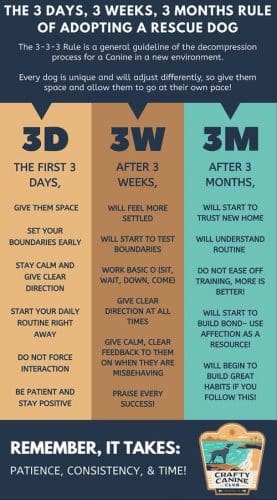
Decompression simply means giving your puppy time to adjust to their new surroundings at their own pace. During this time, it is helpful to keep the environment calm and predictable. Limit large gatherings, avoid overwhelming outings, and allow your pup to explore their new home gradually.
In my experience fostering puppies and working with new furbaby owners, puppies that are given time to decompress tend to settle in faster and feel more confident in their new environment.
This does not mean ignoring your young pup or avoiding interaction. Instead, it means focusing on gentle bonding, quiet exploration, and positive experiences. This provides the time for your pup to feel safe in their new home.
Over the next few days, your pup will begin to relax. She will become more curious, and start engaging more with their new family. Once that foundation of comfort and trust is established, you can gradually begin introducing new experiences and early training activities. Many pup owners worry about the first night with a new puppy, but most puppies settle more easily when their environment stays calm and predictable.
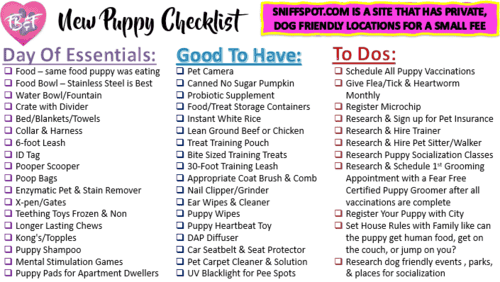
Before bringing your pup home, it is helpful to make sure you already have the basic supplies needed. Preparation ahead of time allows for a safe and comfortable transition. Having these essentials reduces stress for both you and your pooch in the beginning.
In the end, a few simple tools will help you manage your pooch's routine. These items can also help prevent accidents all while creating a solid foundation.
• Crate sized appropriately for your pup
• Adjustable leash and properly fitted harness
• Food and water bowls
• High quality puppy food recommended by your veterinarian
• Small, soft training treats for positive reinforcement
• Durable chew toys and enrichment toys
• Puppy safe bedding or crate mat
• Identification tag with your contact information
• Enzyme cleaner for potty accidents
• Baby gates or barriers to manage access to certain areas of the home
Training treats are especially important during the early weeks. Puppies learn quickly through positive reinforcement. Nonetheless, having small, soft treats available makes it much easier to reward calm behavior, attention, and positive interactions.
In addition, chew toys and enrichment toys can help redirect natural youthful pup behaviors like chewing and exploring. Puppies learn about the world with their mouths. So providing appropriate outlets early can prevent many common behavior problems.
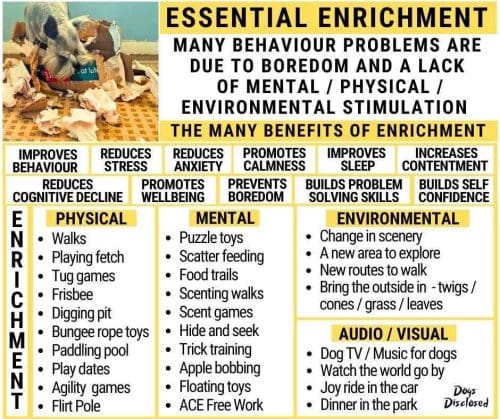
Preparing these supplies in advance allows you to focus on helping your furbaby settle in rather than rushing to the store during the first few days.
One of the most important things to do during your puppy’s first week at home is establish a relationship with a veterinarian. Furthermore its imperative to schedule the remaining vaccinations your pup will need so you don't miss any windows.
Puppies receive a series of vaccinations during their early development. These vaccinations are designed to protect them from serious diseases such as parvovirus, distemper, and adenovirus. Vaccinations, like distemper/parvo are typically given in multiple rounds during the first few months of life.
Since many puppies go home with their new families around eight weeks of age, several vaccination are required in the next 8 weeks to prevent illness and disease. Your veterinarian can help you create a schedule to ensure your puppy receives every dose at the correct time.
Until your furbaby has completed their full vaccination series, it is important to be cautious about where you take them. Public areas such as dog parks, pet store floors, and heavily trafficked outdoor spaces can expose young puppies to viruses and bacteria before they are fully protected. Many new owners ask whether puppies can go outside before vaccinations are complete, and the answer depends on choosing safe environments.
If you are unsure how the puppy vaccine timeline works, I break it down in the short video below. This will help you understand why puppies need multiple rounds of vaccines and why safe socialization matters so much during the early months.
Once you understand your puppy’s vaccine schedule, it becomes much easier to make safe decisions. This does not mean your pup should stay isolated at home. Instead, the goal during this stage is to introduce your furbaby to the world in safe and controlled ways such as:
• meeting healthy, vaccinated dogs you know
• observing new environments from a safe distance
• introducing new people in calm, positive ways
In my experience working with puppies, many owners underestimate how vulnerable young puppies are before complete vaccination. Taking simple precautions during this stage can prevent serious health risks while still allowing your puppy to experience the world safely.
Furthermore, scheduling your veterinarian appointment early also gives you the opportunity to ask more questions. Common topics include nutrition, parasite prevention, or any other health questions you may have during your pup's early development.
Puppies thrive when their days follow a predictable pattern. A simple routine helps them feel secure. A schedule and routine also make it easier for owners to manage feeding, potty breaks, sleep, and playtime.
During the first week, your routine does not need to be complicated. In fact, keeping things simple often works best while your pooch adjusts to their new home. Below is an example I provide to my clients outlining a structured schedule.
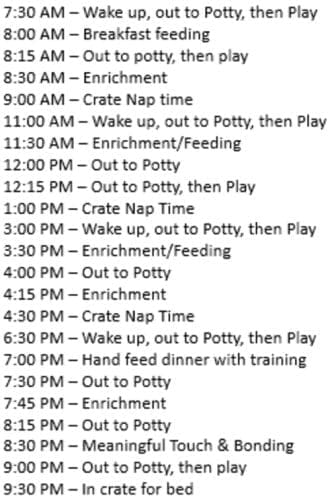
A basic routine should include:
One thing many new furbaby owners are surprised to learn is that puppies need a lot of sleep. Most young puppies require around 18-20 hours of sleep each day to support healthy growth and development. A predictable routine is especially helpful for an 8 week old puppy schedule, when young puppies are still adjusting to feeding, sleep, and potty routines.
Because of this, it is helpful to encourage rest periods throughout the day. Instead of allowing your furbaby to fall asleep randomly around the house, these quiet times are a great opportunity to introduce the crate as a safe and comfortable resting place.
Most families also find it helpful to place a crate in the bedroom at night. This allows the pup to feel close to their family while also alerting family to potty break needs,
Over time, your furbaby will begin to recognize these daily patterns. Consistent routines make it easier for puppies to learn appropriate behaviors and reduce confusion early on.
Socializing a pup is one of the most important aspects of raising a well-adjusted dog. Sadly, it is also one of the most misunderstood. Positive puppy socialization during the first months of life helps puppies learn that new people, places, and experiences are safe.
Many people believe socialization means letting their puppy meet as many people and dogs as possible. However, true socialization is not about constant interaction. Instead, it is about helping your puppy feel safe and confident while experiencing the world around them.
During the early months of life, puppies go through an important developmental window when they are especially receptive to new experiences. Positive exposure during this stage helps puppies learn that people, environments, and everyday situations are normal and safe. However, that exposure should always be gradual and controlled.
In my experience working with puppies and foster dogs, one of the most valuable early lessons a puppy can learn is how to calmly observe the world. Observation creates neutrality. Whereas too much interaction creates over excitement, or worse yet, a poor interaction can lead to fear.
For example, sitting with your pup at a quiet park bench and allowing them to watch people pass by from a safe distance is a powerful socialization exercise. Or sitting in your car at a grocery store. Your puppy learns that new sights and sounds are not something to fear. Most importantly, they also learn that they do not need to greet everyone or everything.
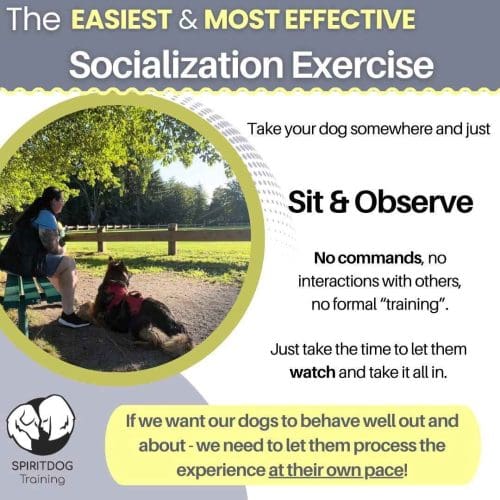
This type of calm observation helps develop what trainers often call neutrality. A dog that can remain relaxed around new people, dogs, and environments without becoming overly excited or fearful is much easier to live with in everyday life.
It is also important to remember that more is not always better when it comes to socialization. Overwhelming a young pup with too many experiences too quickly can create stress rather than confidence.
Instead, focus on creating positive experiences that allow your new puppy to explore at their own pace. A pet parents job is to monitor stress levels and sure the pup feels supported and safe.
Behavior experts such as Dr. Ian Dunbar have long emphasized early puppy socialization. Dr. Dunbar helped pioneer many modern approaches to early puppy development and positive reinforcement training.
Since FurBabies & Friends follows Dr. Dunbar's positive philosophies, our classes are listed through the Dunbar Academy network as a puppy training resource. This recognition reflects our commitment to humane, science based training methods.
Dogs and puppies are always learning about the world, especially in their youth. New or novel sights, sounds or smells can create an unease or fear. Learning to recognize early signs of stress can help you support your puppy before fear escalates into a stronger reaction. Or worse yet, an all out aversion.
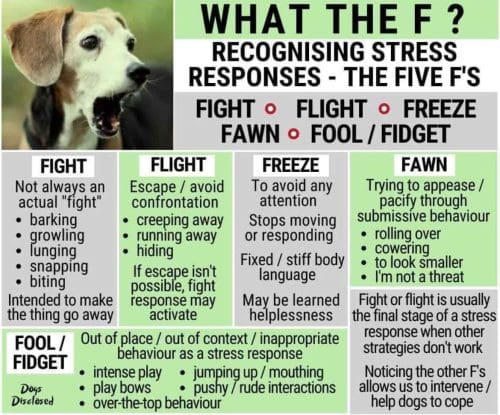
Here are some common signs of stress:
Be very aware of these signals. These are your furbaby's way of communicating that they are uncomfortable. If you notice these signs, the best response is usually to create space and reduce the pressure. Moving a little farther away from a stimulus or giving your puppy a quiet moment to regroup can help them regain confidence. Another important note is to ensure you yourself are not feeding into their fear. Often our dogs will mirror our own emotions. So if you're not worried, are excited and happy, they just might take that cue.
One old way of training or thought was to continue to force a puppy through their fear. Several studies have shown that forcing a pup through fear will make them more uncomfortable. This continued discomfort will create long lasting negative associations.
Instead, aim to keep new experiences positive and manageable. This creates a better outcome in the end while allowing your puppy to slowly build confidence. Moreover, supporting your pooch in these moments teaches them that they can trust you to help them navigate unfamiliar situations safely.
It can be tempting to jump straight into obedience or trick training once the puppy is home. While training is certainly valuable, the early weeks of a puppy’s life are about something even more important: building confidence and positive associations with the world around them.
Commands and tricks can be taught at almost any time in a dog’s life. However, the early developmental window for socialization and emotional learning is limited. Experiences during the first few months of life help shape how a dog will respond to people, environments, and everyday situations as an adult. A strong and well rounded socialization foundation early on will set your dog up for future training success.
In my experience as a professional dog trainer, many serious behavior challenges in adult dogs can be traced back to fear or negative experiences during puppyhood. Dogs that were overwhelmed, frightened, or poorly socialized early in life later struggle with behaviors such as leash reactivity, fear-based aggression, or anxiety in new environments.
Let's be honest. Puppies are hard! It can be a huge adjustment. Seeking guidance early on from a professional trainer is extremely helpful to new pet parents. Working with a trainer during the early months allows you to learn how to safely socialize your puppy, prevent common behavior problems, and establish positive training habits from the beginning.
For families who want personalized support, private in-home puppy training can be especially valuable. These sessions allow a trainer to guide you through your puppy’s early development in the environment where your puppy lives and learns every day.
As your pooch matures, and all vaccinations are finished, group training classes provide an excellent opportunity for structured training and safe socialization. Programs such as the AKC S.T.A.R. Puppy class are designed specifically for young dogs and their owners. These classes focus on foundational skills, positive training techniques, and appropriate socialization experiences that help puppies develop into well-mannered companions. Starting training early helps ensure both you and your puppy feel confident as you continue your journey together.











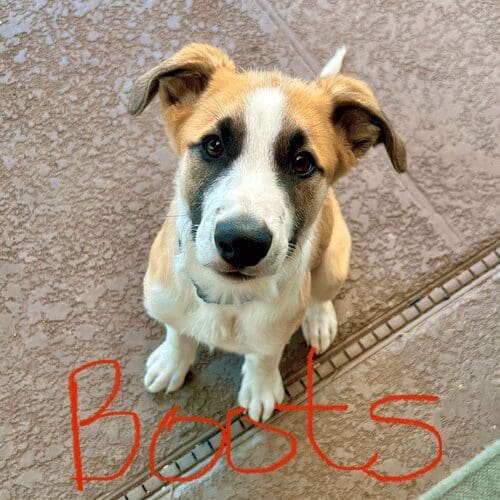


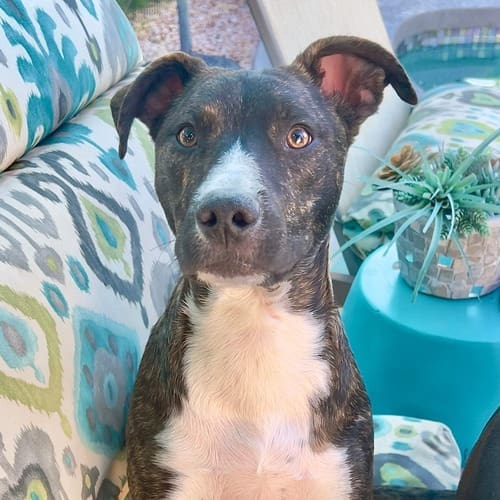












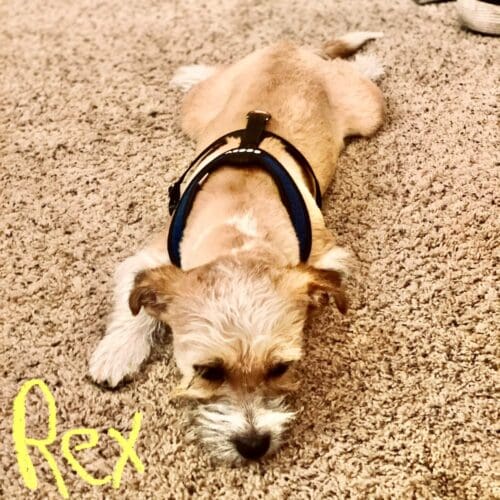


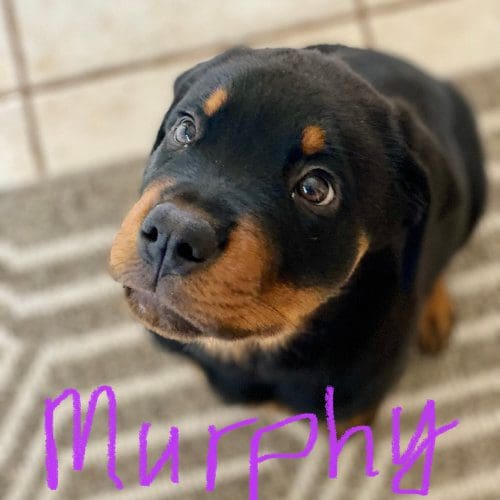


If you would like guidance during this stage, FurBabies & Friends offers private in-home puppy training. This training is specifically designed to support both puppies and their owners during this time. Furthermore, this individualized training covers all fundamental puppy issues and lays a solid foundation for future training. At the end of the day, we get a dog because we want a constant companion, a partner in crime. Starting with the right guidance can make a tremendous difference in your puppy’s development while creating and supporting the life you want with your new best friend.
Most puppies begin adjusting within the first few days, but full adjustment can take several weeks. Many trainers reference the Rule of 3s, which suggests that dogs may need about 3 days to decompress, 3 weeks to begin settling into routines, and around 3 months to fully feel at home. During the first week, focus on calm experiences, predictable routines, and helping your puppy feel safe in their new environment.
The first week is less about formal obedience training and more about building trust, routines, and positive experiences. Simple training activities like rewarding calm behavior, responding to their name, and gentle handling can begin right away. More structured training can gradually start once your puppy feels comfortable and settled in their new home.
Young puppies can still experience the world before their vaccination series is finished, but owners should avoid high-risk areas such as dog parks, pet store floors, and places where many unknown dogs gather. Instead, focus on safe socialization, such as meeting healthy vaccinated dogs you know, observing environments from a distance, or carrying your puppy in public spaces.
Most young puppies need 18 to 20 hours of sleep each day to support healthy growth and brain development. Puppies often alternate between short bursts of activity and long naps throughout the day. Providing regular rest periods and a quiet sleeping space helps prevent overtired behavior such as excessive biting, zoomies, or difficulty settling.
The most important goal during the first week is helping your puppy feel safe and secure in their new home. Puppies are adjusting to a major life change, so calm routines, gentle introductions to new experiences, and positive socialization are far more important than rushing into obedience training. A puppy that feels safe and confident will learn much more easily in the weeks ahead.
Many trainers recommend beginning structured training once a puppy has started their vaccination series and feels comfortable in their new home. Early guidance from a professional trainer can help prevent common behavior problems and teach owners how to safely socialize their puppy. Programs such as AKC S.T.A.R. Puppy classes are designed specifically for young puppies and their owners.
Follow along on TikTok, Instagram and Facebook @furbabiesandfriendsaz for upcoming walks, events, and training tips.
Every Friday night from October through April, local dog lovers gather for something special, the FurBabies & Friends Friday Night Dog Pack Walk. This community-based event is a fun, structured way to strengthen your dog’s training skills, build confidence, and meet other pet parents in the Phoenix West Valley. If you’ve been looking for a safe and supportive way to socialize your dog, this dog pack walk in Glendale AZ might be exactly what you and your pup need.
| Start Date | Start Time | End Time | Event Name | Address |
|---|---|---|---|---|
| March 27, 2026 | 6:30 PM | 7:30 PM | 3/27/26 Friday Night Group Dog Walk | 424 N Central Ave Civic Space Park Phoenix, AZ 85004 United States |
| April 3, 2026 | 6:30 PM | 7:30 PM | 4/3/26 Friday Night Group Dog Walk - Dress Your Bunny in Her Best | 300 E Indian School Road Steel Indian School Park Phoenix, AZ 85012 United States |
| April 10, 2026 | 6:30 PM | 7:30 PM | 4/10/26 Friday Night Group Dog Walk | 16002 N 56th St Desert Horizon Park Scottsdale, AZ 85254 United States |
| April 17, 2026 | 6:30 PM | 7:30 PM | 4/17/26 Friday Night Group Dog Walk | 17642 N 40th St Paradise Valley Park Phoenix, AZ 85032 United States |
| April 24, 2026 | 6:30 PM | 7:30 PM | 4/24/26 Friday Night Group Dog Walk | 22500 N 43rd Ave Victory Lane Sports Park Glendale, AZ 85310 United States |
| May 1, 2026 | 6:30 PM | 7:30 PM | 5/1/26 Friday Night Group Dog Walk | 23282 N 61st Dr Thunderbird Conservation Park Glendale, AZ 85310 United States |
A pack walk is a group walk designed for dogs and their humans to move together in a calm, structured way. Unlike a casual stroll, pack walks are guided by a professional dog trainer and focus on building teamwork, communication, and confidence through shared movement.
Dogs are naturally social animals, but real-world practice is where true confidence grows. By walking calmly near other dogs, your pup learns impulse control, leash manners, and how to relax around distractions, all while bonding with you in a positive, pressure-free setting.
Here in Glendale and the Phoenix West Valley, pack walks also give dogs a chance to explore new parks, new smells, and different environments, all while working on focus and engagement skills you can take anywhere.
Group walks aren’t just fun. They’re scientifically proven to help both dogs and humans.
Studies show that dog owners walk up to 22 minutes more per day than non-owners and report feeling more connected to their community through social dog activities (National Institutes of Health, 2024). Research also shows that walking with dogs reduces stress, increases happiness, and improves cardiovascular health.
For dogs, the benefits go even deeper:
Simply put, group dog walks in Glendale AZ make training more enjoyable for everyone, people and pups alike.
Our Friday Night Dog Pack Walk Glendale events run from 6:30 to 7:30 PM and are held at various West Valley parks.
Each walk begins promptly at 6:30 PM. We explore the park together while practicing calm walking skills, polite greetings, and focus around distractions like playgrounds or soccer fields. Occasionally, we’ll use environmental features for short exercises, like asking dogs to sit calmly while kids play nearby, or navigating around a playground for confidence building.
All walks are leash-only for safety.
Each session is guided by Kristie Halverson, Glendale’s local force-free dog trainer and owner of FurBabies & Friends. Kristie provides real-time coaching, answers training questions, and sometimes includes “dog swaps” to help dogs gain confidence away from their owners in a safe, supportive way.
Our pack walks are open to all friendly, leashed dogs, from young puppies learning manners to seasoned dogs who could use a refresher in focus and calm walking skills.
They’re especially great for:
If you’re searching for a dog walking event in Glendale or the West Valley that’s structured, educational, and fun, this is the perfect fit.
Our Friday Night Pack Walks run October through April every Friday evening from 6:30–7:30 PM.
Each week we explore a different park in the Phoenix West and Central Valley, from Glendale and Peoria to Surprise and Phoenix. Because locations rotate, you can always find the next walk’s details on our Classes & Events page.
💲 Cost: $10 per dog
🐕 Registration: No formal signup required, just RSVP or comment on our weekly post and join when you can.
📍 Location details: Posted weekly on the website and social media.
Structured group walks are more than exercise, they’re a bridge between training classes and real life. Dogs learn to listen to cues even with new sights and smells around. They practice neutrality, patience, and teamwork, all in a positive, supportive setting.
In fact, trainers often recommend group walks as one of the best ways to reinforce training outside of class. They allow dogs to generalize skills like heel, focus, wait, and leave it in real-world conditions.
If you’re looking for a dog pack walk in Glendale AZ that’s fun, safe, and centered around positive reinforcement, FurBabies & Friends’ Friday Night Pack Walks are for you.
Bring your pup, connect with other dog lovers, and spend Friday evenings learning, walking, and growing together.
👉 Visit our Classes & Events Page for the latest park locations and details.
Yes, as long as they’re not aggressive. This is a great place to practice calmer walking in a controlled environment.
No, simply show up and pay your $10 fee on site.
Water, treats, waste bags, a sturdy 6-foot leash, and a comfortable harness or collar (no prong, choke, or shock collars).
Absolutely! Pack walks help shy dogs gain confidence at their own pace.
Kristie Halverson is the owner and trainer at FurBabies & Friends, a force-free, positive-reinforcement pet service company based in Glendale AZ. She’s a member of the Pet Professional Guild, APDT, IAABC, and PSI, and an approved AKC CGC & STAR Puppy Evaluator. Kristie leads a team of bonded and insured pet professionals serving Glendale and the Phoenix West Valley.
Follow along on Instagram and Facebook @furbabiesandfriendsaz for upcoming walks, events, and training tips.