
Positive Puppy Training in Glendale, AZ
Bringing home a puppy is exciting, but potty accidents, crate resistance, nipping, chewing, jumping, leash pulling, and uncertainty about socialization can quickly become overwhelming. Early puppy training gives your family clear routines, practical skills, and professional support before frustrating behaviors become established habits.
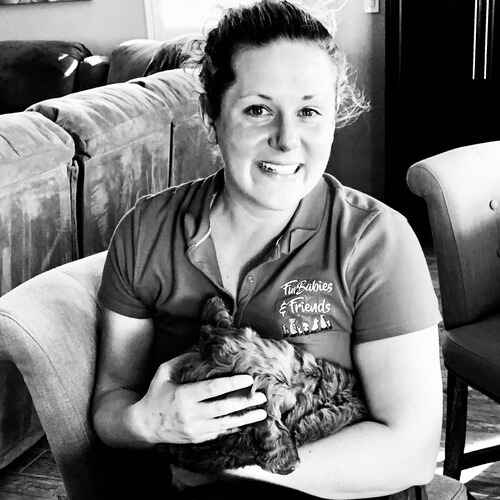
FurBabies & Friends provides positive reinforcement puppy training throughout Glendale, Peoria, and the Phoenix West Valley. Work directly with puppy trainer Kristie Halverson through private in-home puppy training, trainer-led Puppy Day Training, AKC S.T.A.R. Puppy classes, or structured puppy socialization designed around your puppy’s age, needs, and confidence level.
FurBabies & Friends provides positive reinforcement puppy training throughout Glendale, Peoria, and the Phoenix West Valley. Work directly with puppy trainer Kristie Halverson through private in-home puppy training, trainer-led Puppy Day Training, AKC S.T.A.R. Puppy classes, or structured puppy socialization designed around your puppy’s age, needs, and confidence level.
Force-Free, Positive Reinforcement Puppy Training
Private Puppy Training, Day Training & Group Options
Serving Glendale, Peoria & the Phoenix West Valley
Get Help With Common Puppy Training Challenges
Puppies are learning from every interaction, whether you are intentionally training them or simply managing daily life. The earlier your family establishes consistent routines and rewards appropriate behavior, the easier it becomes to prevent confusion, frustration, and unwanted habits.
Our puppy training programs can help with:
Potty and House Training: Build a realistic bathroom schedule, improve supervision, recognize early signals, reduce accidents, and reward successful potty habits.
Crate Training and Home Routines: Help your puppy become comfortable resting independently while creating healthier routines for sleeping, meals, activity, and quiet time.
Puppy Nipping, Biting and Chewing: Teach appropriate outlets, improve bite inhibition, prevent accidental reinforcement, and help family members respond consistently.
Socialization and Confidence: Introduce people, dogs, sounds, surfaces, handling, travel, and new environments through safe, positive, age-appropriate experiences.
Early Leash Skills and Recall: Build name recognition, engagement, following skills, early loose-leash walking, and a stronger foundation for coming when called.
Jumping, Impulse Control and Household Manners: Teach calmer greetings, appropriate attention-seeking, boundaries, and practical behavior around doors, guests, food, toys, and everyday distractions.
Grooming and Veterinary Handling: Prepare your puppy for brushing, nail care, ear checks, body handling, collars, harnesses, veterinary exams, and other necessary care.
The right program depends on whether your family wants direct coaching, trainer-led support during the week, a structured group class, or safe socialization practice.
Our puppy training programs can help with:
Potty and House Training: Build a realistic bathroom schedule, improve supervision, recognize early signals, reduce accidents, and reward successful potty habits.
Crate Training and Home Routines: Help your puppy become comfortable resting independently while creating healthier routines for sleeping, meals, activity, and quiet time.
Puppy Nipping, Biting and Chewing: Teach appropriate outlets, improve bite inhibition, prevent accidental reinforcement, and help family members respond consistently.
Socialization and Confidence: Introduce people, dogs, sounds, surfaces, handling, travel, and new environments through safe, positive, age-appropriate experiences.
Early Leash Skills and Recall: Build name recognition, engagement, following skills, early loose-leash walking, and a stronger foundation for coming when called.
Jumping, Impulse Control and Household Manners: Teach calmer greetings, appropriate attention-seeking, boundaries, and practical behavior around doors, guests, food, toys, and everyday distractions.
Grooming and Veterinary Handling: Prepare your puppy for brushing, nail care, ear checks, body handling, collars, harnesses, veterinary exams, and other necessary care.
The right program depends on whether your family wants direct coaching, trainer-led support during the week, a structured group class, or safe socialization practice.
Compare Our Puppy Training Options
In-Home Puppy Training
BEST FOR: Families who want personalized coaching for potty training, crate training, nipping, routines, and early manners
FORMAT: Kristie coaches your family in your home
LENGTH: 4 one-hour sessions
COST: $450
CHOOSE IF: You want to learn how to train your puppy yourself, need help with challenges happening inside your home, or have a puppy who is not ready for a group environment.Perfect Puppy Day Training
BEST FOR: Busy families who want consistent trainer-led practice with weekly coaching
FORMAT: 3 trainer-led weekday sessions plus 1 family review each week
LENGTH: 6 Weeks
COST: $1,500
CHOOSE IF: You need more professional training repetitions during the week but can commit to weekly family reviews and consistent follow-through at home.AKC S.T.A.R. Puppy Class
BEST FOR: Puppies ready to learn foundational skills around other puppies and people
FORMAT: Small-group training with an AKC evaluation
LENGTH: 6 weekly one-hour classes
COST: $250
CHOOSE IF: Your puppy is comfortable around other dogs and people, and you want structured group instruction, foundational obedience, socialization practice, and an AKC evaluation.Puppy Social Hour
BEST FOR: Puppies needing structured play, confidence building, and safe social exposure
FORMAT: Trainer-guided small-group socialization
LENGTH: 1 Hour
COST: $25
CHOOSE IF: Your main goal is structured puppy interaction, confidence building, body-language education, and practicing calm behavior around other puppies.Which Puppy Training Option Is Right for Your Family?
Every puppy and household needs a different level of support. Some families want personalized coaching so they can train their puppy themselves. Others need a professional trainer to provide consistent weekday practice. Group classes offer structured learning around other puppies and people, while Puppy Social Hour will provide a safe place to practice age-appropriate social skills.
Explore the options below to find the puppy training program that best matches your schedule, goals, and puppy’s current needs.
Explore the options below to find the puppy training program that best matches your schedule, goals, and puppy’s current needs.

Private In-Home Puppy Training
Personalized Puppy Training for Your Home and Daily Routine
Private in-home puppy training gives your family direct coaching where most puppy challenges happen, inside your home and during your normal routines. Instead of following a one-size-fits-all class curriculum, each session is customized around your puppy’s age, behavior, home environment, and your family’s priorities.
This program is especially helpful for new puppy owners who feel overwhelmed by potty accidents, crate resistance, nipping, chewing, jumping, inconsistent routines, or uncertainty about safe socialization. It is also a strong starting point for shy puppies, puppies who are not ready for a group environment, or families who need everyone in the household to follow the same training plan.
This program is especially helpful for new puppy owners who feel overwhelmed by potty accidents, crate resistance, nipping, chewing, jumping, inconsistent routines, or uncertainty about safe socialization. It is also a strong starting point for shy puppies, puppies who are not ready for a group environment, or families who need everyone in the household to follow the same training plan.
At Home Puppy Training Is Best For:
* Puppies who have not finished all puppy vaccines
* Families who want to participate directly in their puppy’s training
* First-time puppy owners who need step-by-step guidance
* Potty training, crate training, nipping, chewing, and household routines
* Puppies who are shy, cautious, easily overwhelmed, or not ready for class
* Households with children, other pets, or multiple family members
* Families who need training customized around their home and lifestyle
* Families who want to participate directly in their puppy’s training
* First-time puppy owners who need step-by-step guidance
* Potty training, crate training, nipping, chewing, and household routines
* Puppies who are shy, cautious, easily overwhelmed, or not ready for class
* Households with children, other pets, or multiple family members
* Families who need training customized around their home and lifestyle
Puppy Skills and Challenges We Can Address:
* Humanization don’ts & a puppy's learning process
* Surviving the initial days & weeks with your new puppy
* Potty and house-training routines
* Crate training and independent rest
* Puppy nipping, biting, and bite inhibition
* Inappropriate chewing and destructive behavior
* Jumping and demanding attention
* Name recognition and recall foundations
* Leave it, drop, take it, and off
* Preventing problems around food, toys, and valued items
* Early leash walking and engagement
* Collar, harness, grooming, and walking-tool introductions
* Body handling for veterinary and grooming care
* Safe puppy socialization and exposure planning
* Household boundaries, doors, guests, and daily routines
* Appropriate physical exercise and mental enrichment
* Surviving the initial days & weeks with your new puppy
* Potty and house-training routines
* Crate training and independent rest
* Puppy nipping, biting, and bite inhibition
* Inappropriate chewing and destructive behavior
* Jumping and demanding attention
* Name recognition and recall foundations
* Leave it, drop, take it, and off
* Preventing problems around food, toys, and valued items
* Early leash walking and engagement
* Collar, harness, grooming, and walking-tool introductions
* Body handling for veterinary and grooming care
* Safe puppy socialization and exposure planning
* Household boundaries, doors, guests, and daily routines
* Appropriate physical exercise and mental enrichment
Program Structure & What’s Included:
* Four private, one-hour puppy training sessions
* Training provided in your home or an appropriate nearby environment
* Direct family coaching and hands-on practice during every session
* A customized training plan based on your puppy’s needs and household routine
* Printed and digital Puppy Training Guide
* Between-session homework and real-life practice assignments
* Training demonstrations and supporting educational videos
* Complimentary training treat bag provided at the first session
* Ongoing recommendations for future obedience, leash, socialization, or group-training needs
* Training provided in your home or an appropriate nearby environment
* Direct family coaching and hands-on practice during every session
* A customized training plan based on your puppy’s needs and household routine
* Printed and digital Puppy Training Guide
* Between-session homework and real-life practice assignments
* Training demonstrations and supporting educational videos
* Complimentary training treat bag provided at the first session
* Ongoing recommendations for future obedience, leash, socialization, or group-training needs
Important Program Expectations
Private puppy training is a family-coaching program. A parent or responsible handler must participate in each session and continue practicing between appointments. Your puppy’s progress will depend on consistent routines, appropriate management, and reinforcement outside scheduled training sessions.
Puppies showing significant aggression, a serious bite history, or behavior that falls outside foundational puppy training may require a separate behavior evaluation or referral.
Puppies showing significant aggression, a serious bite history, or behavior that falls outside foundational puppy training may require a separate behavior evaluation or referral.
Investment
Four Private One-Hour Sessions: $450
Service Area: Glendale, Peoria, and surrounding Phoenix West Valley neighborhoods
Service Area: Glendale, Peoria, and surrounding Phoenix West Valley neighborhoods
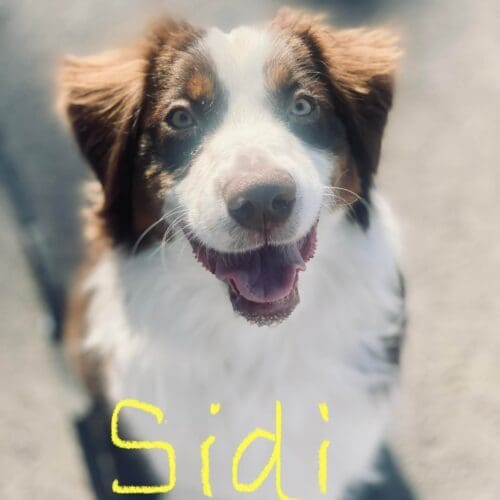
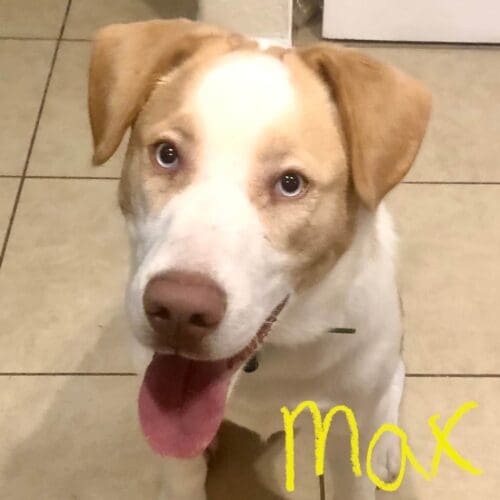

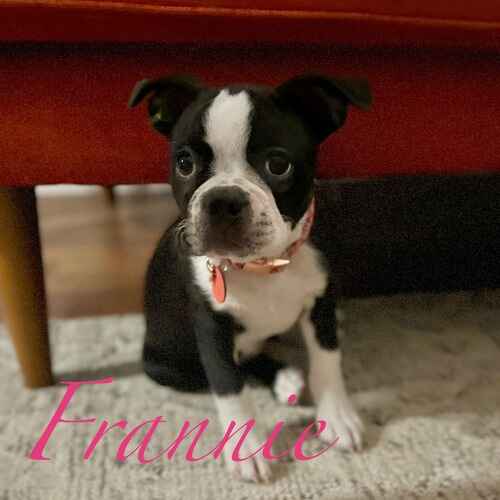
Perfect Puppy Day Training
Professional Weekday Training With Weekly Family Coaching
Perfect Puppy Day Training provides more consistent, trainer-led support during one of the most important learning stages of your puppy’s life. Kristie works directly with your puppy during the week while you continue working, managing your household, or handling other responsibilities.
The program combines professional puppy training, age-appropriate social exposure, and weekly family coaching. Your puppy receives consistent repetitions and guided experiences, while your family learns how to maintain those skills at home.
This is not a daycare program or a substitute for family involvement. It is a structured training program designed to jump-start your puppy’s progress and make daily life more manageable.
The program combines professional puppy training, age-appropriate social exposure, and weekly family coaching. Your puppy receives consistent repetitions and guided experiences, while your family learns how to maintain those skills at home.
This is not a daycare program or a substitute for family involvement. It is a structured training program designed to jump-start your puppy’s progress and make daily life more manageable.
Puppy Day Training Is Best For:
* Busy families who cannot complete several training sessions each day
* Puppies who need more repetition than private lessons alone can provide
* Families struggling with multiple puppy challenges at the same time
* Puppies who need confidence-building and carefully planned exposure
* Owners who want professional weekday training with regular progress reviews
* Families committed to maintaining the trainer’s routines and methods at home
* Puppies who need more repetition than private lessons alone can provide
* Families struggling with multiple puppy challenges at the same time
* Puppies who need confidence-building and carefully planned exposure
* Owners who want professional weekday training with regular progress reviews
* Families committed to maintaining the trainer’s routines and methods at home
Puppy Training Foundations:
* Name recognition and engagement
* Recall foundations
* Leave it, take it, drop, and off
* Beginning obedience cues
* Potty-training routines
* Crate training and independent settling
* Puppy nipping and bite inhibition
* Appropriate chewing and enrichment
* Food, toy, and resource-handling foundations
* Calm greetings and early impulse control
* Recall foundations
* Leave it, take it, drop, and off
* Beginning obedience cues
* Potty-training routines
* Crate training and independent settling
* Puppy nipping and bite inhibition
* Appropriate chewing and enrichment
* Food, toy, and resource-handling foundations
* Calm greetings and early impulse control
Handling and Real-World Skills:
* Collar and harness introductions
* Early loose-leash walking
* Grooming and veterinary handling preparation
* Car travel and loading routines
* Confidence around new sounds, surfaces, people, and environments
* Age-appropriate socialization outings if properly vaccinated
* Calm observation around dogs and people
* Appropriate puppy-to-dog interactions when suitable
* Recovery from excitement and mild distractions
* Early loose-leash walking
* Grooming and veterinary handling preparation
* Car travel and loading routines
* Confidence around new sounds, surfaces, people, and environments
* Age-appropriate socialization outings if properly vaccinated
* Calm observation around dogs and people
* Appropriate puppy-to-dog interactions when suitable
* Recovery from excitement and mild distractions
Program Structure & What’s Included:
* Six weeks of personalized Puppy Day Training
* Three trainer-led weekday sessions each week, 30 minutes per session
* One one-hour family review and coaching session each week
* Weekday sessions completed in your home or appropriate nearby environments
* Family members do not need to be present during trainer-led weekday sessions
* Family participation required during weekly review sessions
* A customized puppy training and exposure plan
* Printed and digital Puppy Training Guide
* Weekly homework and real-life practice recommendations
* Training demonstrations and supporting educational videos
* Complimentary training treat bag provided at the beginning of the program
* Progress updates and recommendations for continued training after graduation
* Three trainer-led weekday sessions each week, 30 minutes per session
* One one-hour family review and coaching session each week
* Weekday sessions completed in your home or appropriate nearby environments
* Family members do not need to be present during trainer-led weekday sessions
* Family participation required during weekly review sessions
* A customized puppy training and exposure plan
* Printed and digital Puppy Training Guide
* Weekly homework and real-life practice recommendations
* Training demonstrations and supporting educational videos
* Complimentary training treat bag provided at the beginning of the program
* Progress updates and recommendations for continued training after graduation
Important Program Expectations
Day Training gives your puppy more professional practice, but the trainer cannot permanently install behavior without family follow-through. Household members must use the same cues, routines, reinforcement strategies, and boundaries introduced during the program.
Families should plan to practice for approximately 10 to 15 minutes once or twice per day, depending on the puppy’s age, attention span, and training plan.
Program eligibility depends on your puppy’s age, vaccination status, temperament, location, and training needs.
Families should plan to practice for approximately 10 to 15 minutes once or twice per day, depending on the puppy’s age, attention span, and training plan.
Program eligibility depends on your puppy’s age, vaccination status, temperament, location, and training needs.
Investment
Six-Week Puppy Day Training Program: $1,500
Service Area: Glendale, Peoria, and surrounding Phoenix West Valley neighborhoods
Service Area: Glendale, Peoria, and surrounding Phoenix West Valley neighborhoods


AKC S.T.A.R. Puppy Group Class
Build Foundational Manners, Confidence, and Responsible Puppy-Parent Skills
The AKC S.T.A.R. Puppy Group Class helps puppies and their families build essential skills in a structured learning environment. S.T.A.R. stands for Socialization, Training, Activity, and Responsible dog ownership.
Throughout the course, puppies practice foundational obedience, leash skills, handling, greetings, and appropriate behavior around other dogs and people. Families also receive guidance on common puppy challenges such as potty training, chewing, nipping, exercise, and socialization.
The class prepares puppy and handler teams for the AKC S.T.A.R. Puppy test, which is administered at the end of the program by Kristie Halverson, an AKC-approved evaluator.
Throughout the course, puppies practice foundational obedience, leash skills, handling, greetings, and appropriate behavior around other dogs and people. Families also receive guidance on common puppy challenges such as potty training, chewing, nipping, exercise, and socialization.
The class prepares puppy and handler teams for the AKC S.T.A.R. Puppy test, which is administered at the end of the program by Kristie Halverson, an AKC-approved evaluator.
AKC S.T.A.R. Puppy Class Is Best For:
* Puppies at least 4 months old but under 1 year of age
* Puppies who have completed all puppy vaccinations (3 Distemper/Parvo, Rabies & Bordetella)
* Puppies who are ready to learn around other dogs and people
* Families seeking a structured puppy training class
* Owners who want foundational obedience and socialization support
* Puppies preparing for future obedience or Canine Good Citizen classes
* Families who can attend class consistently and practice between sessions
* Puppies who are behaviorally comfortable and appropriate for a group setting
* Puppies who have completed all puppy vaccinations (3 Distemper/Parvo, Rabies & Bordetella)
* Puppies who are ready to learn around other dogs and people
* Families seeking a structured puppy training class
* Owners who want foundational obedience and socialization support
* Puppies preparing for future obedience or Canine Good Citizen classes
* Families who can attend class consistently and practice between sessions
* Puppies who are behaviorally comfortable and appropriate for a group setting
Puppy and Handler Skills:
* Name recognition and coming when called
* Sit and down
* Following the handler on leash
* Walking near other people
* Calm behavior around puppies and distractions
* Accepting petting from another person
* Collar or harness comfort
* Grooming and body handling
* Allowing the owner to handle a toy or treat
* Staying with another trusted person briefly
* Appropriate daily play and exercise
* Responsible puppy ownership and safety practices
* Sit and down
* Following the handler on leash
* Walking near other people
* Calm behavior around puppies and distractions
* Accepting petting from another person
* Collar or harness comfort
* Grooming and body handling
* Allowing the owner to handle a toy or treat
* Staying with another trusted person briefly
* Appropriate daily play and exercise
* Responsible puppy ownership and safety practices
Class Requirements:
* Puppies must be under one year old at the time of testing
* Proof of required vaccinations must be provided before class
* Puppies must be behaviorally appropriate for a group environment
* Puppies showing aggression toward dogs or people cannot participate
* Shock collars, electronic collars, prong collars, and choke chains are not permitted
* Food rewards, toys, physical praise, and verbal encouragement may be used as allowed by the program
* Families must attend the required classes to qualify for the final evaluation
* Proof of required vaccinations must be provided before class
* Puppies must be behaviorally appropriate for a group environment
* Puppies showing aggression toward dogs or people cannot participate
* Shock collars, electronic collars, prong collars, and choke chains are not permitted
* Food rewards, toys, physical praise, and verbal encouragement may be used as allowed by the program
* Families must attend the required classes to qualify for the final evaluation
Program Structure & What’s Included
* Six weekly, one-hour group-training classes
* Preparation for all 20 AKC S.T.A.R. Puppy test items
* AKC S.T.A.R. Puppy evaluation during the final class
* Small-group instruction from an AKC-approved evaluator
* Controlled exercises around puppies, people, movement, and distractions
* Puppy-raising education and responsible ownership guidance
* Printed and digital AKC S.T.A.R. Puppy Training Guide
* Weekly homework and real-life practice assignments
* Training demonstrations and supporting educational videos
* Complimentary training treat bag provided during the first class
* FurBabies & Friends class-completion recognition
* AKC test paperwork for puppies who successfully pass the evaluation
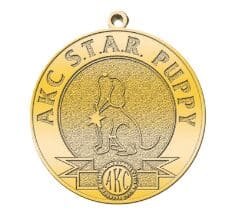
* Once passed, submit request to AKC for the S.T.A.R. Puppy Medal
Buy One Class, Attend a Second Class Free
After completion, keep the momentum going by registering for the AKC Canine Good Citizen Group Class.
* Preparation for all 20 AKC S.T.A.R. Puppy test items
* AKC S.T.A.R. Puppy evaluation during the final class
* Small-group instruction from an AKC-approved evaluator
* Controlled exercises around puppies, people, movement, and distractions
* Puppy-raising education and responsible ownership guidance
* Printed and digital AKC S.T.A.R. Puppy Training Guide
* Weekly homework and real-life practice assignments
* Training demonstrations and supporting educational videos
* Complimentary training treat bag provided during the first class
* FurBabies & Friends class-completion recognition
* AKC test paperwork for puppies who successfully pass the evaluation
* Once passed, submit request to AKC for the S.T.A.R. Puppy Medal
Buy One Class, Attend a Second Class Free
After completion, keep the momentum going by registering for the AKC Canine Good Citizen Group Class.
Investment
Six-Week Group Class: $250
Upcoming AKC S.T.A.R. Puppy Classes
Dates: Sundays, January 17, 2027 through February 21, 2027
Time: 12:30 PM to 1:30 PM
Location: Desert Amethyst Park
Dates: Sundays, March 14, 2027 through April 25, 2027, no class March 28 for Easter weekend
Time: 10:30 AM to 11:30 AM
Location: Desert Amethyst Park
Coming Soon! Puppy Social Hour
Structured Puppy Play, Socialization, and Confidence Building
Puppy socialization involves much more than allowing puppies to play together. Puppies also need opportunities to observe calmly, recover from excitement, interact appropriately, experience new sights and sounds, and learn when another puppy needs space.
Puppy Social Hour will provide a trainer-guided environment where puppies can practice safe, age-appropriate interactions without the unpredictability of a public dog park or unrestricted daycare playgroup.
Sessions will combine appropriate puppy interaction with confidence-building exercises, handling, movement, calm observation, and coaching for puppy parents.
Puppy Social Hour will provide a trainer-guided environment where puppies can practice safe, age-appropriate interactions without the unpredictability of a public dog park or unrestricted daycare playgroup.
Sessions will combine appropriate puppy interaction with confidence-building exercises, handling, movement, calm observation, and coaching for puppy parents.
Puppy Social Hours Are Best For:
* Puppies who need safe, structured interaction with other puppies
* Families looking for puppy playtime with professional supervision
* Puppies building confidence around new dogs, people, and environments
* Owners who want to understand puppy play and body language
* Puppies who need practice transitioning between activity and calm behavior
* Families already completing private training or a puppy group class
* Families looking for puppy playtime with professional supervision
* Puppies building confidence around new dogs, people, and environments
* Owners who want to understand puppy play and body language
* Puppies who need practice transitioning between activity and calm behavior
* Families already completing private training or a puppy group class
Puppy Socialization Skills:
* Appropriate greetings
* Reading and responding to social signals
* Taking breaks from play
* Returning attention to the handler
* Recovering from excitement
* Calm observation around other puppies
* Confidence around unfamiliar objects and environments
* Positive interaction with new people
* Tolerance for gentle handling
* Moving away when another puppy needs space
* Reading and responding to social signals
* Taking breaks from play
* Returning attention to the handler
* Recovering from excitement
* Calm observation around other puppies
* Confidence around unfamiliar objects and environments
* Positive interaction with new people
* Tolerance for gentle handling
* Moving away when another puppy needs space
Program Structure & What’s Included
* Trainer-guided small-group puppy socialization
* Puppy groupings based on age, size, confidence, and play style when possible
* Structured greetings and short periods of appropriate play
* Planned breaks to prevent escalating arousal or exhaustion
* Practice observing other puppies without constant interaction
* Confidence-building exposure to surfaces, sounds, objects, and movement
* Gentle handling and body-awareness exercises
* Coaching on healthy play, stress signals, consent, and when to interrupt
* Support for calmer recovery after exciting interactions
* Recommendations for future private, group, leash, or confidence training
* Puppy groupings based on age, size, confidence, and play style when possible
* Structured greetings and short periods of appropriate play
* Planned breaks to prevent escalating arousal or exhaustion
* Practice observing other puppies without constant interaction
* Confidence-building exposure to surfaces, sounds, objects, and movement
* Gentle handling and body-awareness exercises
* Coaching on healthy play, stress signals, consent, and when to interrupt
* Support for calmer recovery after exciting interactions
* Recommendations for future private, group, leash, or confidence training
Important Fit and Safety Requirements
Puppy Social Hour will not be an unrestricted puppy free-for-all. Play and interaction will be supervised and interrupted when necessary to protect confidence, safety, and appropriate social development.
Puppies displaying significant fear, persistent bullying, guarding, human-directed aggression, or unsafe dog-directed behavior may be asked to begin with private training before participating.
Vaccination, health, age, registration, and behavioral requirements will apply.
Puppies displaying significant fear, persistent bullying, guarding, human-directed aggression, or unsafe dog-directed behavior may be asked to begin with private training before participating.
Vaccination, health, age, registration, and behavioral requirements will apply.
What Comes After Puppy Training?
Puppy training builds the foundation, but it is not the end of your dog’s education. As puppies mature, they encounter stronger distractions, greater independence, changing confidence levels, and new expectations at home and in the community.
The right next step depends on the skills your puppy has already learned, the areas that still need support, and the activities your family wants to pursue together.
The right next step depends on the skills your puppy has already learned, the areas that still need support, and the activities your family wants to pursue together.
Continue Building Everyday Obedience
Puppies who have completed private training or the AKC S.T.A.R. Puppy Class can continue developing practical manners through beginner, intermediate, and advanced obedience programs.
Ongoing obedience training can help strengthen:
* Sit, down, stay, and recall
* Focus around dogs, people, and environmental distractions
* Calm greetings and household manners
* Impulse control and handler engagement
* Distance, duration, and reliability
* Real-world communication between dog and handler
Puppies do not always move into the next class based on age alone. Kristie can help determine which level best matches your dog’s current skills and ability to work around distractions.
Explore Dog Obedience Training ClassesOngoing obedience training can help strengthen:
* Sit, down, stay, and recall
* Focus around dogs, people, and environmental distractions
* Calm greetings and household manners
* Impulse control and handler engagement
* Distance, duration, and reliability
* Real-world communication between dog and handler
Puppies do not always move into the next class based on age alone. Kristie can help determine which level best matches your dog’s current skills and ability to work around distractions.
Does Your Puppy Need More Leash-Training Help?
Early leash skills are included in Private In-Home Puppy Training and Perfect Puppy Day Training. These programs help puppies become comfortable with walking equipment, follow their handler, build engagement, and begin learning loose-leash habits.
Puppies whose primary challenge is pulling or general leash manners may be better suited for the Quick Start Leash Manners program.
Puppies who bark, lunge, freeze, panic, or become highly overstimulated around dogs, people, vehicles, or environmental triggers may need more specialized support through the Leash Training and Reactive Dog Support page.
Review Leash Training ProgramsPuppies whose primary challenge is pulling or general leash manners may be better suited for the Quick Start Leash Manners program.
Puppies who bark, lunge, freeze, panic, or become highly overstimulated around dogs, people, vehicles, or environmental triggers may need more specialized support through the Leash Training and Reactive Dog Support page.
Add Enrichment and Specialty Skills
Training does not need to stop once your dog understands basic manners. Specialty classes and private programs give adolescent and adult dogs productive outlets for their energy while continuing to build confidence, communication, and focus.
Future options may include:
* Beginner and Intermediate Trick training classes or at-home training
* Scent Seekers beginner nose work training classes or in home training
* Door manners and threshold control
* Structured introductions between dogs
These programs can be especially valuable for energetic dogs, dogs that enjoy problem-solving, and families looking for activities they can continue practicing together.
Discover Specialty Dog Training ProgramsFuture options may include:
* Beginner and Intermediate Trick training classes or at-home training
* Scent Seekers beginner nose work training classes or in home training
* Door manners and threshold control
* Structured introductions between dogs
These programs can be especially valuable for energetic dogs, dogs that enjoy problem-solving, and families looking for activities they can continue practicing together.
Consider More Trainer-Led Support
Some puppies need more consistent professional practice as they move into adolescence. Adult Day Training may be appropriate for families who want Kristie to provide structured weekday training while continuing to coach the household through regular family reviews.
For dogs needing a more immersive training environment, the Dog Board and Train program may also be considered once the dog meets the program’s age, size, health, temperament, and boarding requirements.
These programs can support:
* Foundational and intermediate obedience
* Household manners
* Impulse control
* Leash skills
* Recall development
* Real-world practice
* Family transfer and follow-through
Investigate Day Training and Board and TrainFor dogs needing a more immersive training environment, the Dog Board and Train program may also be considered once the dog meets the program’s age, size, health, temperament, and boarding requirements.
These programs can support:
* Foundational and intermediate obedience
* Household manners
* Impulse control
* Leash skills
* Recall development
* Real-world practice
* Family transfer and follow-through
Keep Building on Your Puppy’s Progress
Your puppy does not need to complete every program. The goal is to choose the next step that supports your dog’s development and your family’s real-life needs.
Kristie can recommend whether your puppy should continue with obedience classes, private training, specialty activities, leash support, Canine Good Citizen preparation, or a trainer-led program.
Get Help Choosing the Next Training StepKristie can recommend whether your puppy should continue with obedience classes, private training, specialty activities, leash support, Canine Good Citizen preparation, or a trainer-led program.
Why Early Puppy Training and Socialization Matter
Your puppy begins learning about the world long before formal obedience training starts. Every interaction with people, dogs, sounds, surfaces, handling, travel, and unfamiliar environments can influence whether your puppy learns to respond with confidence, caution, excitement, or fear.
The primary puppy socialization period occurs during the first three months of life. During this developmental stage, safe and positive experiences can help puppies become more comfortable with the people, animals, environments, and routines they are likely to encounter as adults. Incomplete, overwhelming, or inappropriate exposure during this period can increase the risk of later fear, avoidance, and behavior challenges.
The primary puppy socialization period occurs during the first three months of life. During this developmental stage, safe and positive experiences can help puppies become more comfortable with the people, animals, environments, and routines they are likely to encounter as adults. Incomplete, overwhelming, or inappropriate exposure during this period can increase the risk of later fear, avoidance, and behavior challenges.
Puppy Socialization Is More Than Puppy Play
Socialization does not mean your puppy needs to greet every person or play with every dog. The goal is to help your puppy feel safe, remain engaged with you, and respond appropriately in different situations.
Healthy puppy socialization can include:
* Watching people and dogs from a comfortable distance
* Meeting calm, behaviorally appropriate dogs and puppies
* Experiencing different surfaces, objects, sounds, and movement
* Practicing short car rides and visiting new environments
* Becoming comfortable with grooming and veterinary handling
* Learning to settle while activity happens nearby
* Moving away from an interaction when your puppy needs space
* Returning attention to you around mild distractions
Puppy play can be valuable, but unrestricted or overwhelming play does not automatically create good social skills. True socialization includes calm observation, appropriate interaction, confidence, recovery from excitement, and the ability to disengage.
Healthy puppy socialization can include:
* Watching people and dogs from a comfortable distance
* Meeting calm, behaviorally appropriate dogs and puppies
* Experiencing different surfaces, objects, sounds, and movement
* Practicing short car rides and visiting new environments
* Becoming comfortable with grooming and veterinary handling
* Learning to settle while activity happens nearby
* Moving away from an interaction when your puppy needs space
* Returning attention to you around mild distractions
Puppy play can be valuable, but unrestricted or overwhelming play does not automatically create good social skills. True socialization includes calm observation, appropriate interaction, confidence, recovery from excitement, and the ability to disengage.
Positive Experiences Matter More Than Checking Boxes
Simply exposing a puppy to something is not enough. Your puppy must be able to process the experience without becoming excessively frightened, trapped, or overwhelmed.
A productive socialization experience should be:
* Safe: The environment and participants are appropriate for your puppy
* Gradual: New challenges are introduced at a manageable level
* Positive: Food, play, distance, and encouragement create good associations
* Optional: Your puppy is not forced to approach or interact
* Brief: The experience ends before your puppy becomes exhausted or distressed
* Individualized: The pace reflects your puppy’s temperament and body language
Repeated exposure while a puppy is fearful can make the fear stronger rather than teaching confidence. If your puppy hides, freezes, tries to escape, refuses food, or cannot recover after an interaction, the situation may be too difficult. AAHA specifically warns that exposure without evaluating the puppy’s response can produce sensitization and increased behavior problems rather than positive socialization.
A productive socialization experience should be:
* Safe: The environment and participants are appropriate for your puppy
* Gradual: New challenges are introduced at a manageable level
* Positive: Food, play, distance, and encouragement create good associations
* Optional: Your puppy is not forced to approach or interact
* Brief: The experience ends before your puppy becomes exhausted or distressed
* Individualized: The pace reflects your puppy’s temperament and body language
Repeated exposure while a puppy is fearful can make the fear stronger rather than teaching confidence. If your puppy hides, freezes, tries to escape, refuses food, or cannot recover after an interaction, the situation may be too difficult. AAHA specifically warns that exposure without evaluating the puppy’s response can produce sensitization and increased behavior problems rather than positive socialization.
Socialization Should Begin Before the Window Closes
Families are sometimes told to keep a puppy completely isolated until every vaccination is finished. That can cause owners to miss much of the primary socialization period.
Veterinary behavior guidance supports beginning carefully managed socialization before the full vaccination series is complete, provided health risks are minimized and the puppy’s veterinarian has approved the plan. Appropriate options may include controlled puppy classes, known healthy dogs, carried outings, stroller outings, clean private environments, and observation from a safe distance.
IMPORTANT CALLOUT:
Your veterinarian and trainer serve different roles in this process.
Your veterinarian should advise you about vaccination status, local disease risks, and where your puppy can safely go. Your puppy trainer can then help you build a socialization plan that protects both physical health and behavioral development.
Veterinary behavior guidance supports beginning carefully managed socialization before the full vaccination series is complete, provided health risks are minimized and the puppy’s veterinarian has approved the plan. Appropriate options may include controlled puppy classes, known healthy dogs, carried outings, stroller outings, clean private environments, and observation from a safe distance.
IMPORTANT CALLOUT:
Your veterinarian and trainer serve different roles in this process.
Your veterinarian should advise you about vaccination status, local disease risks, and where your puppy can safely go. Your puppy trainer can then help you build a socialization plan that protects both physical health and behavioral development.
Training and Development Continue Beyond Early Puppyhood
The first three months are especially important, but social learning does not stop when that period ends. Puppies continue developing through adolescence and need ongoing guidance as their confidence, independence, energy, and responses to the environment change.
Continued puppy training can help your family:
* Maintain safe and predictable routines
* Strengthen communication and engagement
* Practice calm behavior around distractions
* Reinforce appropriate play and social boundaries
* Build leash, recall, handling, and household skills
* Address new fears or behavior changes early
* Prepare for adult obedience and real-world situations
Early socialization creates a stronger foundation, but it does not guarantee that a puppy will never develop fear, reactivity, or unwanted behavior. Genetics, health, individual temperament, learning history, and later experiences also influence development. The goal is not to create a puppy who loves everything. The goal is to raise a puppy who can experience the world safely, recover from manageable challenges, and look to their family for guidance.
Continued puppy training can help your family:
* Maintain safe and predictable routines
* Strengthen communication and engagement
* Practice calm behavior around distractions
* Reinforce appropriate play and social boundaries
* Build leash, recall, handling, and household skills
* Address new fears or behavior changes early
* Prepare for adult obedience and real-world situations
Early socialization creates a stronger foundation, but it does not guarantee that a puppy will never develop fear, reactivity, or unwanted behavior. Genetics, health, individual temperament, learning history, and later experiences also influence development. The goal is not to create a puppy who loves everything. The goal is to raise a puppy who can experience the world safely, recover from manageable challenges, and look to their family for guidance.
Help Your Puppy Build Positive Experiences From the Start
FurBabies & Friends combines reward-based puppy training, family education, safe exposure, and practical real-world skills. Whether your puppy needs private in-home support, consistent Puppy Day Training, or a structured AKC S.T.A.R. Puppy class, the goal is to create experiences that build confidence without forcing interactions or overwhelming your puppy.
Compare Puppy Training OptionsRead the AVSAB Position Statement on Puppy SocializationRequest Puppy Training
Why Choose FurBabies & Friends for Puppy Training?
Raising a puppy involves much more than teaching sit, down, and come. Families also need practical guidance for daily routines, safe socialization, household expectations, communication, and the developmental changes that happen as a puppy grows.
Kristie Halverson provides positive reinforcement puppy training based on the puppy in front of her and the family responsible for continuing the training. Training is adjusted for your puppy's age, temperament, confidence, home environment, learning history, and family goals rather than forcing every puppy through the same process.
Kristie Halverson provides positive reinforcement puppy training based on the puppy in front of her and the family responsible for continuing the training. Training is adjusted for your puppy's age, temperament, confidence, home environment, learning history, and family goals rather than forcing every puppy through the same process.
Practical Puppy Training for Real Life
Puppy training should make everyday life easier, not only produce skills during a scheduled lesson. Training focuses on situations your family will actually encounter at home and in the community.
Training may include:
* Potty and crate routines
* Puppy nipping, chewing, and appropriate outlets
* Calm greetings and household manners
* Early leash skills and recall foundations
* Handling for grooming and veterinary care
* Safe, positive exposure to people, dogs, sounds, surfaces, environments, and new experiences
* Confidence building and age-appropriate independence
* Enrichment, exercise, rest, and household management
The goal is to help your puppy understand what to do while giving your family realistic strategies that can be used consistently as your puppy grows.
As an AKC S.T.A.R. Puppy and Canine Good Citizen evaluator, Kristie helps families understand not only what to teach their puppy, but how to build reliable skills as their puppy grows and develops.
Training may include:
* Potty and crate routines
* Puppy nipping, chewing, and appropriate outlets
* Calm greetings and household manners
* Early leash skills and recall foundations
* Handling for grooming and veterinary care
* Safe, positive exposure to people, dogs, sounds, surfaces, environments, and new experiences
* Confidence building and age-appropriate independence
* Enrichment, exercise, rest, and household management
The goal is to help your puppy understand what to do while giving your family realistic strategies that can be used consistently as your puppy grows.
As an AKC S.T.A.R. Puppy and Canine Good Citizen evaluator, Kristie helps families understand not only what to teach their puppy, but how to build reliable skills as their puppy grows and develops.
Positive Reinforcement Without Fear or Force
FurBabies & Friends uses reward-based training methods, clear communication, thoughtful management, and gradual skill building to teach puppies what is expected of them.
Training does not rely on prong collars, choke chains, electronic or shock collars, physical intimidation, forced interactions, or punishment for fear and uncertainty.
Positive reinforcement does not mean puppies are allowed to do whatever they want. Puppies still need boundaries, structure, repetition, and consistent follow-through. The difference is that those expectations are taught without creating unnecessary fear, discomfort, or conflict.
Read the AVSAB's Position Statement On Humane Dog Training & Impacts of Aversives in TrainingTraining does not rely on prong collars, choke chains, electronic or shock collars, physical intimidation, forced interactions, or punishment for fear and uncertainty.
Positive reinforcement does not mean puppies are allowed to do whatever they want. Puppies still need boundaries, structure, repetition, and consistent follow-through. The difference is that those expectations are taught without creating unnecessary fear, discomfort, or conflict.
Experienced Puppy and Family Coaching
Kristie has more than 20 years of hands-on experience working with dogs and has supported puppies, rescue dogs, shy and fearful dogs, bully breeds, first-time puppy families, and experienced pet parents.
She is also an:
AKC S.T.A.R. Puppy Evaluator
AKC Canine Good Citizen Evaluator
These credentials allow families to begin with strong puppy foundations and continue into structured obedience, AKC S.T.A.R. Puppy, Canine Good Citizen preparation, leash training, and other age-appropriate programs as their puppy matures.
Kristie also continues her education through professional dog training and pet-care organizations with an emphasis on ethical, humane, and practical training.
She is also an:
AKC S.T.A.R. Puppy Evaluator
AKC Canine Good Citizen Evaluator
These credentials allow families to begin with strong puppy foundations and continue into structured obedience, AKC S.T.A.R. Puppy, Canine Good Citizen preparation, leash training, and other age-appropriate programs as their puppy matures.
Kristie also continues her education through professional dog training and pet-care organizations with an emphasis on ethical, humane, and practical training.
Support Between Training Sessions
Puppy training does not stop when an appointment ends. Depending on the program, families may receive resources designed to make practice clearer and more consistent between sessions, including:
* Printed or digital training guides
* Step-by-step practice exercises and homework
* Real-life training assignments
* Video demonstrations
* Troubleshooting during scheduled reviews
* Recommendations for the puppy's next training step
FurBabies & Friends also provides step-by-step demonstrations through our YouTube channel, including puppy foundations such as potty training, early leash skills, recall development, and confidence building.
* Printed or digital training guides
* Step-by-step practice exercises and homework
* Real-life training assignments
* Video demonstrations
* Troubleshooting during scheduled reviews
* Recommendations for the puppy's next training step
FurBabies & Friends also provides step-by-step demonstrations through our YouTube channel, including puppy foundations such as potty training, early leash skills, recall development, and confidence building.
Watch: Building Strong Potty Training Foundations the Right Way
Looking for more guided demonstrations? Visit the FurBabies & Friends YouTube Channel for additional puppy training support.
Real Puppy Training Progress for Local Families
Bringing home a puppy can be exciting, exhausting, and overwhelming, sometimes all in the same day. These families came to FurBabies & Friends for practical puppy training, clearer routines, and professional guidance that helped both the puppies and the people raising them.
From Overwhelmed First-Time Puppy Parents to Real Progress
“We recently brought our first puppy into the house and were struggling in every way. Kristie is so patient teaching us how to be better puppy parents and to help Yeti become a well-mannered pup. We couldn’t be more thrilled with the progress so far.”
Trish
Private In-Home Puppy Training Client
Private In-Home Puppy Training Client
Personalized Help for a High-Energy Puppy and Household
“Kristie and FurBabies helped save us and our relationship with our 5-month-old mini Aussie. Our dog had so much energy we could barely cope. Kristie is the ultimate problem solver. She instinctively looks for a way to make things work better. Our baby is now a pleasure to be around instead of a huge burden.”
Bonnie
Puppy Training Client
Puppy Training Client
A Puppy Transformation That Continued Into Adulthood
“Having a husky is tough. Kristie has worked with our baby from the get-go and helped turn her into a well-behaved puppy. She is a year old now, and her transformation is incredible.”
David
In Home & Class Puppy Training Client
In Home & Class Puppy Training Client
See What More Puppy Training Clients Are Saying


My wife and I have been very impressed. originally rescued a Brittany in Sept 2023. Rueben was almost a year old and crate trained, so that was no issue in my continuing to work a hybrid schedule working from home and at the office. Then we rescued our puppy Opal in December and life got a lot more complicated. I located Kristi through Yelp and she initially did an in-home site visit and provided me with all of the necessary insurance documentation on her end. I have someone come in 2-4 times a week for an hour each visit to give the dogs sufficient out of crate time. Everyone from Kristi's crew have been great. They text me when they arrive and when they leave, along with pics from their visit and a short summary of their stay. We also just hired Kristi for some in-home training for Rueben, who is a hard puller when walking and a counter surfer. It's evident just in spending 10 minutes with Kristi that she knows what she is talking about. She's been providing invaluable advice and pointers. Rueben is a challenge, but I'm confident if we follow her training we'll have Rueben behaving his best.
We loved our pet training experience with FurBabies & Friends! As first time puppy parents we were lost as to how to train her. We now have the skills to teach her in a loving and consistent way.
Kristie has been so helpful with our puppy. We've never had a puppy before and it was a real struggle before we found Kristie. She has been showing us so many great strategies to help teach our puppy really functional skills. She is also great at adapting the training session to fit with things that the puppy is struggling more with or concerns we may have.

Kristie is awesome! She's helped us so much with our wild new puppy. She's friendly, accommodating, and really knows her stuff. We were going crazy trying to train our puppy before hiring her. Her prices for the value that you're receiving are unbeatable! She offers multiple training plans to choose from and offers daycare and boarding as well. Our pup adores her and so do we!

Kristie has literally changed our lives! We had our puppy Max do training with Kristie for 6 weeks and not only did Max learn so much, but so did we! Max is a very high energy husky mix puppy and he was destroying everything and being a big terror. Now he is still high energy, but we know how to work with him and he is such a delight to be around! We just finished up the holidays and it was so stressful, but the one thing I didn't have to worry about at all was Max! Such a dream! I cannot recommend Kristie enough for any of your dog care needs! She is so helpful and knowledgeable! Our family has gained such a wonderful friend!


I can't even begin to explain how much of a life saver Kristie has been for me and my family. Originally I contacted her for boarding for my sweet and very excited pup. I was more afraid of how misbehaved he would be more so than him being away from me. But not only did my pup come back just worn out from the weekend, she made me feel extremely confident and comfortable leaving him with her. We have now set up some puppy training classes to get him even more under control and he is already showing so much improvement. I never saw the importance of paying for training but Kristie is the only one id recommend to friends and family here in the valley.
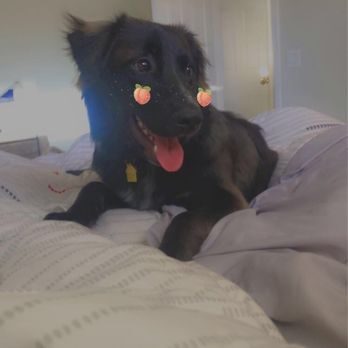
Kristie came as a referral from a neighbor. We had a new puppy who was very large and very scared of certain people. Just a few sessions with Kristie, and she was a new dog. Kristie is great at training the dogs, but she's also amazing at training the HUMANS, which is really what a dog needs to be successful. I cannot recommend her enough!

I contacted Kristie to help with puppy training when I brought home my golden retriever. She came to our house and went over training basics and tips for new puppy owners. The simplest things (we would've never thought of on our own) turned out to be amazing tools in raising Lambeau. He's now the best boy. I highly recommend FurBabies and friends for your puppy training needs!
Recognized Dog Training in Glendale and the West Valley
FurBabies & Friends has also earned local and independent recognition for dog training, pet care, and client service throughout Glendale and the Phoenix West Valley.
Explore Our Awards & RecognitionFrequently Asked Questions About Puppy Training in Glendale, AZ
What age should puppy training begin, and is 6 months too old?
Foundational puppy training can begin as early as 8 weeks old. Early sessions focus on routines, engagement, potty training, crate comfort, handling, socialization, and preventing unwanted habits.
Six months is not too old to begin. Puppies and adolescent dogs can still learn successfully, although the recommended program may change based on the dog’s age, confidence, previous experiences, and current behavior.
Six months is not too old to begin. Puppies and adolescent dogs can still learn successfully, although the recommended program may change based on the dog’s age, confidence, previous experiences, and current behavior.
Can a puppy trainer help with potty training?
Yes. Puppy potty training is included in Private In-Home Puppy Training and Perfect Puppy Day Training. We help families establish an appropriate bathroom schedule, improve supervision, recognize early signals, manage freedom inside the home, and reward successful potty habits.
A trainer cannot complete potty training without consistent household follow-through. Medical conditions can also cause accidents, so persistent or sudden changes should be discussed with your veterinarian.
A trainer cannot complete potty training without consistent household follow-through. Medical conditions can also cause accidents, so persistent or sudden changes should be discussed with your veterinarian.
Can you help with crate training, puppy nipping, biting, and chewing?
Yes. Puppy programs can address crate introductions, independent rest, nipping, bite inhibition, inappropriate chewing, jumping, and demanding attention.
Training includes teaching appropriate alternatives, improving household management, preventing accidental reinforcement, and helping family members respond consistently. These behaviors are common during puppyhood, but they should still be addressed before they become established habits.
Training includes teaching appropriate alternatives, improving household management, preventing accidental reinforcement, and helping family members respond consistently. These behaviors are common during puppyhood, but they should still be addressed before they become established habits.
Do you offer private in-home puppy training near Glendale and Peoria?
Yes. FurBabies & Friends provides private in-home puppy training and Puppy Day Training throughout Glendale, Peoria, and surrounding Phoenix West Valley communities.
Working inside your home allows Kristie to address the routines, spaces, distractions, and family interactions affecting your puppy’s behavior. Group puppy classes are held at selected West Valley locations.
Working inside your home allows Kristie to address the routines, spaces, distractions, and family interactions affecting your puppy’s behavior. Group puppy classes are held at selected West Valley locations.
What is the difference between Private Puppy Training, Puppy Day Training, and puppy classes?
Private In-Home Puppy Training is a four-session coaching program for families who want personalized instruction and direct participation.
Perfect Puppy Day Training provides six weeks of trainer-led weekday practice, along with weekly family review sessions.
The AKC S.T.A.R. Puppy Class is a six-week group program for puppies ready to practice foundational skills around other puppies, people, and distractions.
The best fit depends on your puppy’s needs, your schedule, and how much trainer involvement your family wants.
Perfect Puppy Day Training provides six weeks of trainer-led weekday practice, along with weekly family review sessions.
The AKC S.T.A.R. Puppy Class is a six-week group program for puppies ready to practice foundational skills around other puppies, people, and distractions.
The best fit depends on your puppy’s needs, your schedule, and how much trainer involvement your family wants.
Do I need to be home during puppy training?
A responsible handler must participate in every Private In-Home Puppy Training session because the program is designed to coach the family.
Families do not need to be home during the trainer-led weekday sessions included in Perfect Puppy Day Training. However, participation in the weekly one-hour family review is required so everyone can practice the skills, maintain the same routines, and continue the puppy’s progress between sessions.
Families do not need to be home during the trainer-led weekday sessions included in Perfect Puppy Day Training. However, participation in the weekly one-hour family review is required so everyone can practice the skills, maintain the same routines, and continue the puppy’s progress between sessions.
How much does puppy training cost?
Current puppy training options include:
Private In-Home Puppy Training, four one-hour sessions for $450
Perfect Puppy Day Training, six weeks for $1,500
AKC S.T.A.R. Puppy Group Class, six weekly classes for $250
The right program should be based on the support your puppy needs, not simply the lowest price. Program details and current class availability are listed in the service sections above.
Private In-Home Puppy Training, four one-hour sessions for $450
Perfect Puppy Day Training, six weeks for $1,500
AKC S.T.A.R. Puppy Group Class, six weekly classes for $250
The right program should be based on the support your puppy needs, not simply the lowest price. Program details and current class availability are listed in the service sections above.
How long does puppy training take?
The scheduled program length depends on the service selected. Private Puppy Training includes four sessions, Puppy Day Training lasts six weeks, and the AKC S.T.A.R. Puppy Class includes six weekly classes.
Families often notice early improvements once routines and communication become more consistent, but puppy development continues through adolescence. Reliable behavior requires repetition, appropriate management, and practice outside scheduled training sessions.
Families often notice early improvements once routines and communication become more consistent, but puppy development continues through adolescence. Reliable behavior requires repetition, appropriate management, and practice outside scheduled training sessions.
Do you offer puppy training classes near Glendale or Peoria?
Yes. FurBabies & Friends offers AKC S.T.A.R. Puppy classes at selected locations throughout Glendale and the Phoenix West Valley.
Class locations may rotate by session, so families should review the current event listings inside the AKC S.T.A.R. Puppy service section for dates, times, locations, requirements, availability, and registration details.
Class locations may rotate by session, so families should review the current event listings inside the AKC S.T.A.R. Puppy service section for dates, times, locations, requirements, availability, and registration details.
What is the AKC S.T.A.R. Puppy Class?
The AKC S.T.A.R. Puppy Class is a six-week group-training program focused on Socialization, Training, Activity, and Responsible puppy ownership.
Puppies practice foundational manners, leash skills, handling, recall, calm greetings, and appropriate behavior around people and other puppies. The final class includes the AKC S.T.A.R. Puppy evaluation administered by Kristie Halverson, an AKC-approved evaluator.
Puppies practice foundational manners, leash skills, handling, recall, calm greetings, and appropriate behavior around people and other puppies. The final class includes the AKC S.T.A.R. Puppy evaluation administered by Kristie Halverson, an AKC-approved evaluator.
What vaccinations are required for puppy classes?
Current AKC S.T.A.R. Puppy class requirements include proof of Rabies, Bordetella, and at least three Distemper and Parvovirus vaccinations before class begins.
Vaccination and health requirements may depend on the puppy’s age, class location, and current health guidance. Families should review the specific event listing and consult their veterinarian when determining whether their puppy is medically ready for a group environment.
Vaccination and health requirements may depend on the puppy’s age, class location, and current health guidance. Families should review the specific event listing and consult their veterinarian when determining whether their puppy is medically ready for a group environment.
What does puppy socialization involve?
Puppy socialization is more than allowing puppies to play together. It includes safe exposure to people, appropriate dogs, sounds, surfaces, handling, travel, movement, unfamiliar environments, and everyday activities.
The goal is not to make a puppy greet or play with everyone. The goal is to help the puppy observe, interact when appropriate, recover from manageable challenges, and remain connected to the handler.
Private Puppy Training, Puppy Day Training, and AKC S.T.A.R. Puppy classes all include age-appropriate socialization support.
The goal is not to make a puppy greet or play with everyone. The goal is to help the puppy observe, interact when appropriate, recover from manageable challenges, and remain connected to the handler.
Private Puppy Training, Puppy Day Training, and AKC S.T.A.R. Puppy classes all include age-appropriate socialization support.
What if my puppy is shy, fearful, or easily overwhelmed?
Private In-Home Puppy Training is often the safest starting point for a shy or cautious puppy. Training begins in a familiar environment and introduces new experiences gradually, without forcing the puppy to approach people, dogs, or situations that feel unsafe.
Group classes or socialization activities may be recommended later, once the puppy can remain comfortable, take reinforcement, recover from mild stress, and engage with the handler.
Group classes or socialization activities may be recommended later, once the puppy can remain comfortable, take reinforcement, recover from mild stress, and engage with the handler.
Can you help my puppy learn to walk on a leash?
Yes. Foundational leash skills are included in Private Puppy Training and Perfect Puppy Day Training. Puppies can learn to accept a collar or harness, follow their handler, build engagement, and begin developing loose-leash habits.
Puppies whose main issue is general pulling may be referred to Quick Start Leash Manners. Puppies who bark, lunge, freeze, panic, or become highly overstimulated may need support through the dedicated leash-training and reactivity programs.
Puppies whose main issue is general pulling may be referred to Quick Start Leash Manners. Puppies who bark, lunge, freeze, panic, or become highly overstimulated may need support through the dedicated leash-training and reactivity programs.
What training methods do you use with puppies?
FurBabies & Friends uses force-free, positive reinforcement training. Puppies learn through rewards, clear communication, appropriate management, gradual exposure, and repeated practice.
Training does not rely on prong collars, choke chains, electronic collars, intimidation, or punishment for fear and uncertainty. Positive reinforcement still includes structure, boundaries, and consistent expectations, but those expectations are taught without unnecessary fear, pain, or conflict.
Training does not rely on prong collars, choke chains, electronic collars, intimidation, or punishment for fear and uncertainty. Positive reinforcement still includes structure, boundaries, and consistent expectations, but those expectations are taught without unnecessary fear, pain, or conflict.