
FurBabies & Friends Positive Reinforcement Dog Training with a Force Free Dog Trainer
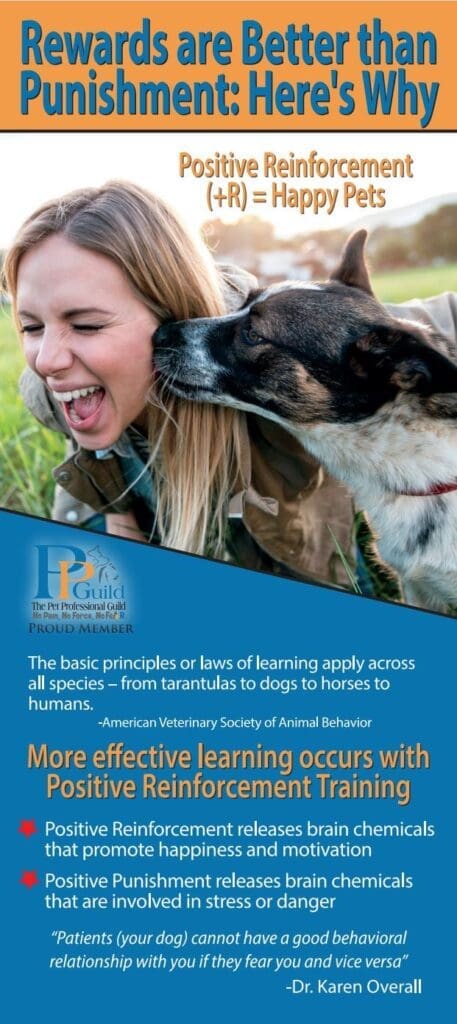
First and foremost, Kristie Halverson, our professional force free dog trainer, believes dog training should never cause pain or fear. Instead, she uses a positive reinforcement dog training philosophy that focuses on connection, consistency, and trust.
Furthermore, with over 20 years of experience, including working with large bully breeds, Kristie developed a humane and effective system that improves communication and strengthens the bond between humans and dogs. Her reward based dog training style helps dogs learn faster, retain behaviors, and feel safe throughout the process. These same positive reinforcement methods are used throughout our dog training programs in Glendale and the Phoenix West Valley, from puppy foundations to advanced obedience and behavior work.
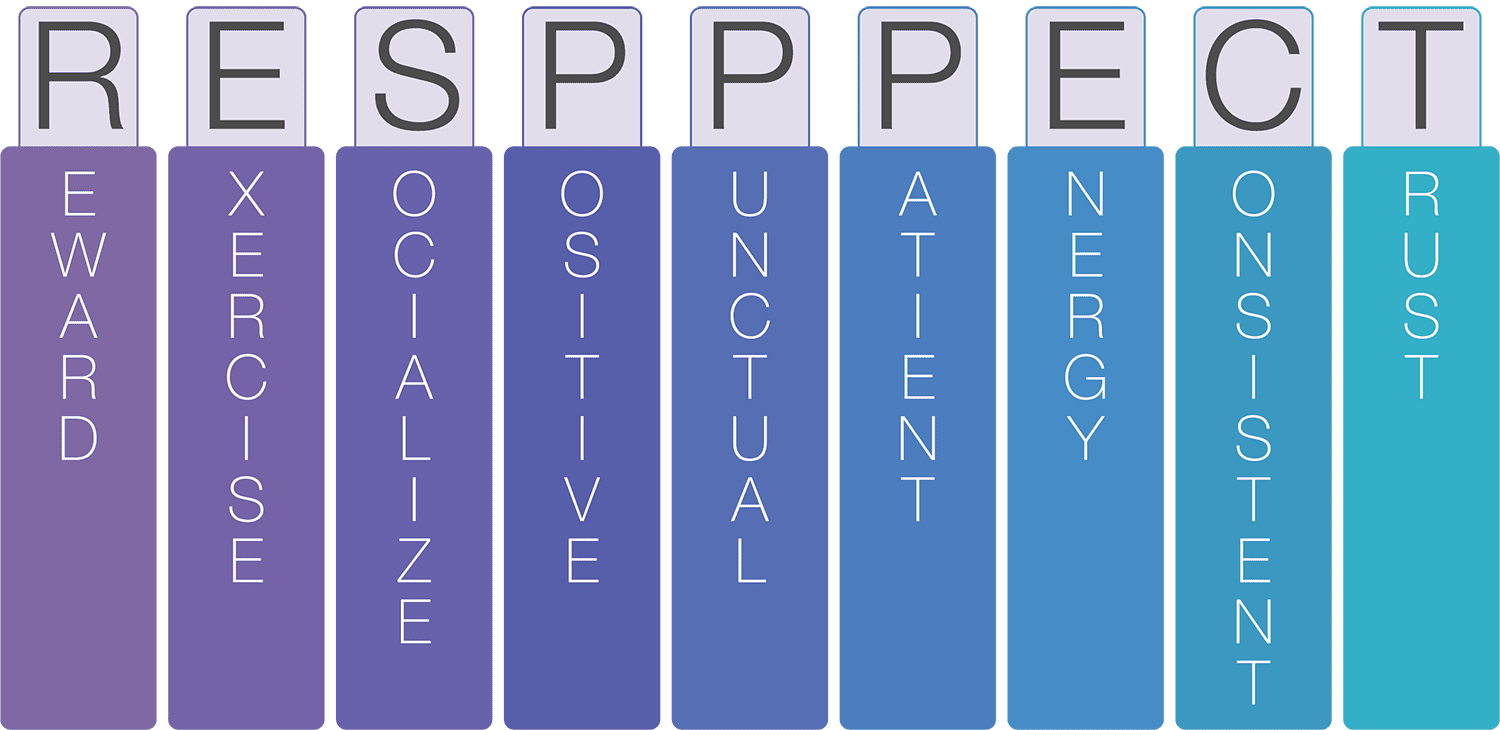
To make this approach easy to remember, Kristie created the RESPPPECT framework, inspired by the song “Respect” by Aretha Franklin. Each letter stands for a core principle of positive dog training: Reward, Exercise, Socialize, Positive, Punctual, Patient, Energy, Consistent, and Trust.
This proven method has helped countless families across Glendale and the Phoenix West Valley raise confident, well-mannered dogs, without using shock, prong, or choke collars.
Furthermore, with over 20 years of experience, including working with large bully breeds, Kristie developed a humane and effective system that improves communication and strengthens the bond between humans and dogs. Her reward based dog training style helps dogs learn faster, retain behaviors, and feel safe throughout the process. These same positive reinforcement methods are used throughout our dog training programs in Glendale and the Phoenix West Valley, from puppy foundations to advanced obedience and behavior work.
To make this approach easy to remember, Kristie created the RESPPPECT framework, inspired by the song “Respect” by Aretha Franklin. Each letter stands for a core principle of positive dog training: Reward, Exercise, Socialize, Positive, Punctual, Patient, Energy, Consistent, and Trust.
This proven method has helped countless families across Glendale and the Phoenix West Valley raise confident, well-mannered dogs, without using shock, prong, or choke collars.
Understand Our Positive Reward Based Training ProgramsContact Us Now To Start Your Positive Reinforcement Dog Training



Kristie's Reward Based Dog Training Mantra is About RESPPPECT
The RESPPPECT philosophy is built on nine core principles that guide every training session Kristie leads with dogs and their families. This philosophy also carries forward into all pet care services and the FurBabies & Friends pet sitters and dog walkers.

Reward: Reinforcing the Behaviors You Want to See More Of

In reward based dog training, rewards help mark the exact moment your dog gets the behavior correct. Timing matters. Using a treat, toy, praise, or play session reinforces behavior and encourages your dog to repeat it.
Ask yourself: What motivates your dog? Some dogs are food-driven. Others may prefer playtime, affection, or verbal praise. Understanding what lights them up is essential for making positive dog training fun and effective.
It’s also important to recognize when a dog isn’t responding to rewards. Often, this means they’re overwhelmed or afraid. A dog in a fight-or-flight state can’t focus or learn, no matter how tasty the treat. In these moments, we pause, regroup, and adjust to what the dog needs.
That’s the heart of positive reinforcement dog training, reward and reinforce what’s right, paying less attention to what's wrong, creating a safe environment for learning. By rewarding behaviors we want to see more of, we help dogs succeed through encouragement, not correction. These reward-based techniques are the foundation of our dog obedience training programs, where we teach reliable cues, focus, and real-world manners using positive reinforcement.
Ask yourself: What motivates your dog? Some dogs are food-driven. Others may prefer playtime, affection, or verbal praise. Understanding what lights them up is essential for making positive dog training fun and effective.
It’s also important to recognize when a dog isn’t responding to rewards. Often, this means they’re overwhelmed or afraid. A dog in a fight-or-flight state can’t focus or learn, no matter how tasty the treat. In these moments, we pause, regroup, and adjust to what the dog needs.
That’s the heart of positive reinforcement dog training, reward and reinforce what’s right, paying less attention to what's wrong, creating a safe environment for learning. By rewarding behaviors we want to see more of, we help dogs succeed through encouragement, not correction. These reward-based techniques are the foundation of our dog obedience training programs, where we teach reliable cues, focus, and real-world manners using positive reinforcement.



Exercise: Meeting Your Dog’s Physical and Mental Needs

Positive dog training doesn’t stop at sit, stay, or come. Daily exercise is essential for reducing unwanted behaviors caused by pent-up energy. A tired dog doesn't have the energy to misbehave!
According to the Mayo Clinic, movement improves sleep, mood, energy, and overall health. The same is true for dogs. They’re built to move, not sit alone all day. Many breeds were created to work, herd, or hunt, jobs that require physical and mental stimulation.
Regular walks, backyard games, or enrichment sessions help drain excess energy and improve behavior. Dogs with unmet exercise needs may bark, dig, chew, or act out, not because they’re bad, but because they need an outlet.
If you’re training a dog who’s full of energy, work in short play breaks between exercises. This improves focus and increases engagement, especially during reward based dog training sessions.
Ultimately, daily activity supports your dog’s well-being and makes every training session more effective. For families who need additional support meeting their dog’s exercise needs, our professional dog walking services help reinforce healthy routines and positive behavior.
According to the Mayo Clinic, movement improves sleep, mood, energy, and overall health. The same is true for dogs. They’re built to move, not sit alone all day. Many breeds were created to work, herd, or hunt, jobs that require physical and mental stimulation.
Regular walks, backyard games, or enrichment sessions help drain excess energy and improve behavior. Dogs with unmet exercise needs may bark, dig, chew, or act out, not because they’re bad, but because they need an outlet.
If you’re training a dog who’s full of energy, work in short play breaks between exercises. This improves focus and increases engagement, especially during reward based dog training sessions.
Ultimately, daily activity supports your dog’s well-being and makes every training session more effective. For families who need additional support meeting their dog’s exercise needs, our professional dog walking services help reinforce healthy routines and positive behavior.
Socialization: Building Confidence Through Positive Exposure

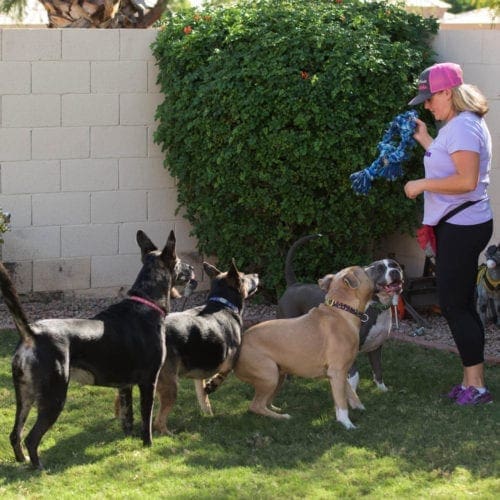
Reward based dog training goes hand in hand with socialization. Confident dogs aren’t born, they’re shaped by safe, structured exposure to the world around them.
Socialization should start in puppyhood and continue through a dog’s senior years. It builds resilience, reduces fear, and helps dogs understand how to interact with people, animals, and environments.
During socialization training, we should introduce our dog to different:
* Places (parks, sidewalks, pet-friendly stores)
* Surfaces (gravel, tile, carpet, grass)
* Sounds (traffic, clapping, kids playing)
* People (of all ages, sizes, and ethnicities)
* Obstacles (cones, strollers, wheelchairs, umbrellas)
These positive experiences help prevent anxiety, leash reactivity, or fear-based behaviors later in life. If your dog has missed early socialization, don’t worry. With patience and planning, we can use force free dog training techniques to reintroduce new things safely and calmly. Many pet parents begin this process through our private and group puppy training programs, where socialization and confidence-building are a major focus.
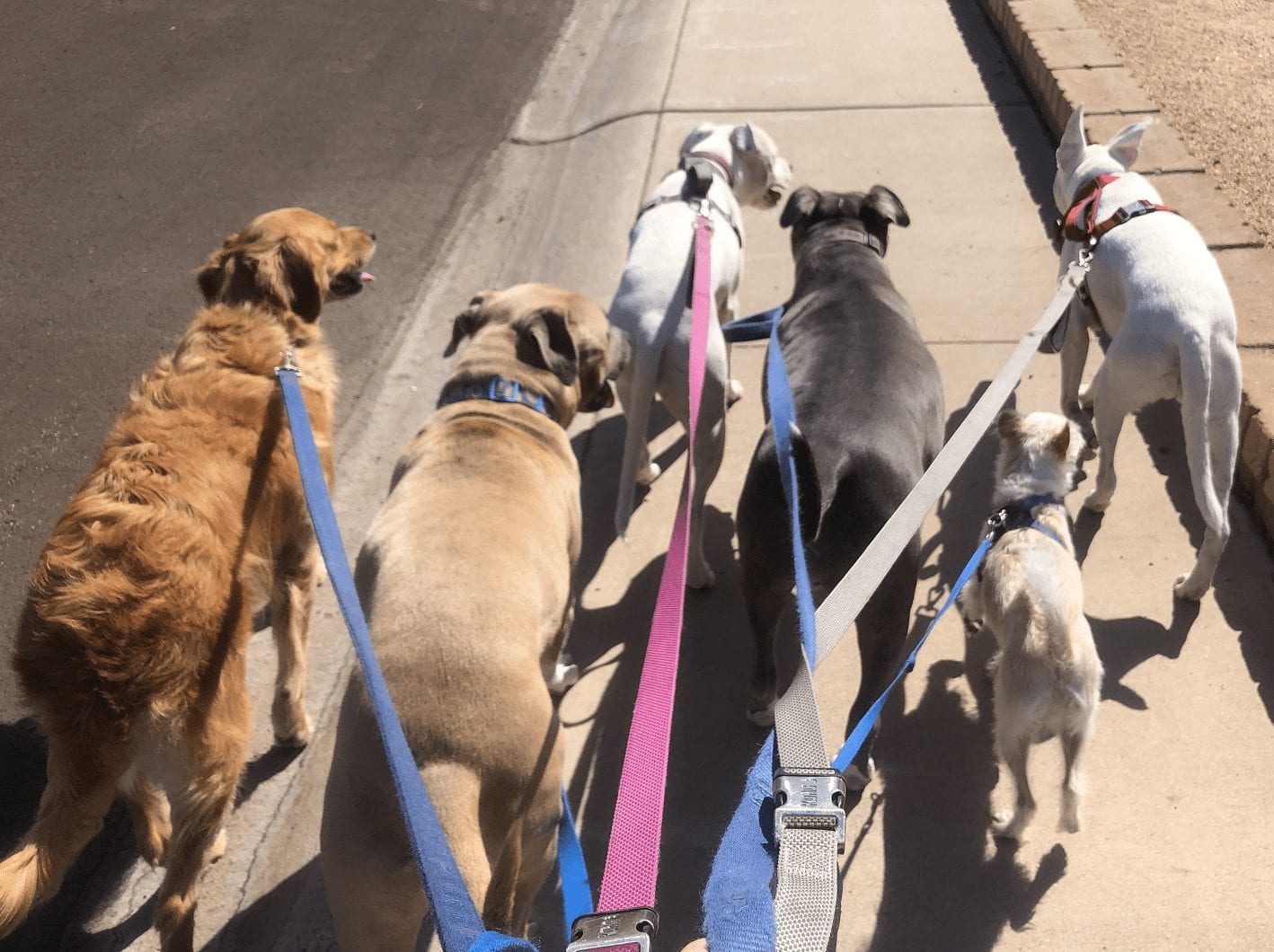
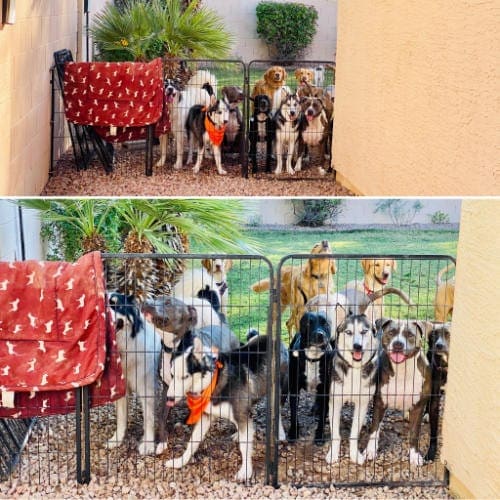
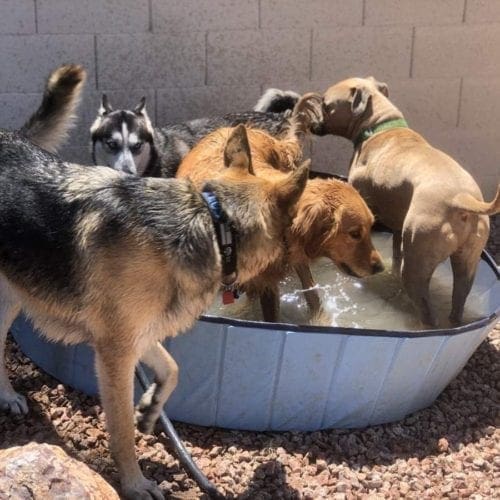
Well-socialized dogs are more adaptable and less likely to develop behavioral issues. It’s one of the most overlooked, but powerful, parts of positive dog training. Structured outings like our Friday Night Pack Walks in Glendale give dogs a safe way to practice social skills and leash manners around real-world distractions. You can also view upcoming locations and schedules on our dog training classes and events calendar.
Socialization should start in puppyhood and continue through a dog’s senior years. It builds resilience, reduces fear, and helps dogs understand how to interact with people, animals, and environments.
During socialization training, we should introduce our dog to different:
* Places (parks, sidewalks, pet-friendly stores)
* Surfaces (gravel, tile, carpet, grass)
* Sounds (traffic, clapping, kids playing)
* People (of all ages, sizes, and ethnicities)
* Obstacles (cones, strollers, wheelchairs, umbrellas)
These positive experiences help prevent anxiety, leash reactivity, or fear-based behaviors later in life. If your dog has missed early socialization, don’t worry. With patience and planning, we can use force free dog training techniques to reintroduce new things safely and calmly. Many pet parents begin this process through our private and group puppy training programs, where socialization and confidence-building are a major focus.
Well-socialized dogs are more adaptable and less likely to develop behavioral issues. It’s one of the most overlooked, but powerful, parts of positive dog training. Structured outings like our Friday Night Pack Walks in Glendale give dogs a safe way to practice social skills and leash manners around real-world distractions. You can also view upcoming locations and schedules on our dog training classes and events calendar.

Positive Communication: Keeping Training Encouraging and Clear

Dogs respond best to enthusiasm, encouragement, and praise. That’s why positive reinforcement dog training is so powerful, it builds confidence through reward, not punishment.
Ask yourself: Do you work harder when someone criticizes you or when they celebrate your progress? Dogs feel the same. Positivity is motivating.
Your energy, tone of voice, and body language all matter. If your praise is genuine, your dog will feel it. If it's forced or frustrated, they’ll know. That’s why force free dog trainers focus on clear, upbeat communication.
In every training session, celebrate the small wins. A quick “yes,” a cheerful voice, or a tasty treat shows your dog they’re on the right path. Even better, it creates joy and strengthens your bond.
Positive dog training doesn’t mean ignoring unwanted behavior. Instead, it redirects attention to what’s right, rewarding the good and managing the rest without fear or pain.
Keep it light. Keep it fun. That’s the key to lasting results.
Ask yourself: Do you work harder when someone criticizes you or when they celebrate your progress? Dogs feel the same. Positivity is motivating.
Your energy, tone of voice, and body language all matter. If your praise is genuine, your dog will feel it. If it's forced or frustrated, they’ll know. That’s why force free dog trainers focus on clear, upbeat communication.
In every training session, celebrate the small wins. A quick “yes,” a cheerful voice, or a tasty treat shows your dog they’re on the right path. Even better, it creates joy and strengthens your bond.
Positive dog training doesn’t mean ignoring unwanted behavior. Instead, it redirects attention to what’s right, rewarding the good and managing the rest without fear or pain.
Keep it light. Keep it fun. That’s the key to lasting results.
Punctual Timing: Marking the Exact Moment Your Dog Gets It Right

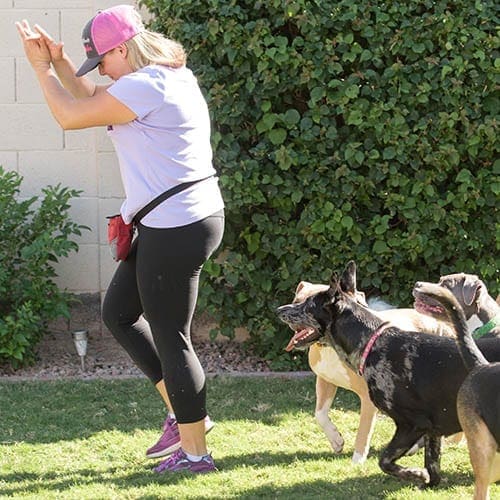
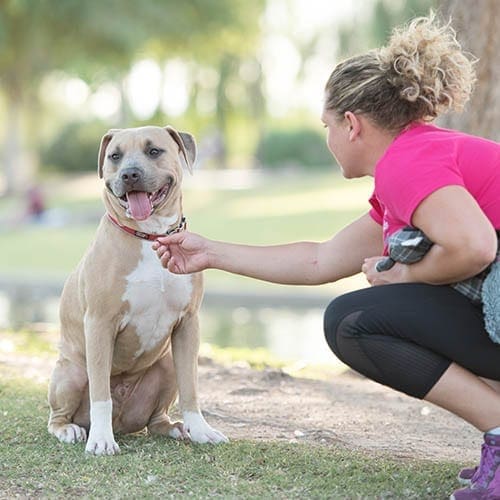
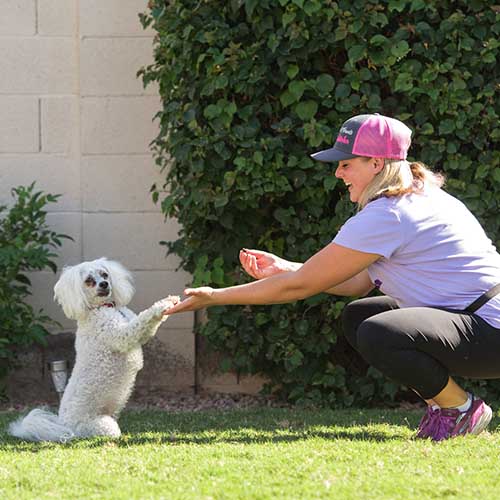
Timing is everything in reward based dog training. To be effective, the reward must come the instant your dog completes the desired behavior. Even a one-second delay can confuse your dog on the behavior you're trying to capture.
Think of it like snapping a photo, if you miss the moment, the result won’t be clear. Use a marker word like “yes,” a clicker, or a consistent hand signal paired with a reward to clearly communicate success.
Dogs live in the now. Their memory window is just a few seconds. That’s why positive reinforcement dog training emphasizes punctuality in both praise and redirection. Praise late, and they won’t understand what they did right.
Punctuality doesn’t stop at training. Daily routines like feeding, walks, and potty breaks also benefit from consistency. It helps your dog feel secure and confident.
If you’re using force free dog training methods, make timing your top priority. The right reward at the right moment turns confusion into clarity and sets the stage for lasting learning.
Think of it like snapping a photo, if you miss the moment, the result won’t be clear. Use a marker word like “yes,” a clicker, or a consistent hand signal paired with a reward to clearly communicate success.
Dogs live in the now. Their memory window is just a few seconds. That’s why positive reinforcement dog training emphasizes punctuality in both praise and redirection. Praise late, and they won’t understand what they did right.
Punctuality doesn’t stop at training. Daily routines like feeding, walks, and potty breaks also benefit from consistency. It helps your dog feel secure and confident.
If you’re using force free dog training methods, make timing your top priority. The right reward at the right moment turns confusion into clarity and sets the stage for lasting learning.

Patience: Allowing Your Dog the Time They Need to Learn

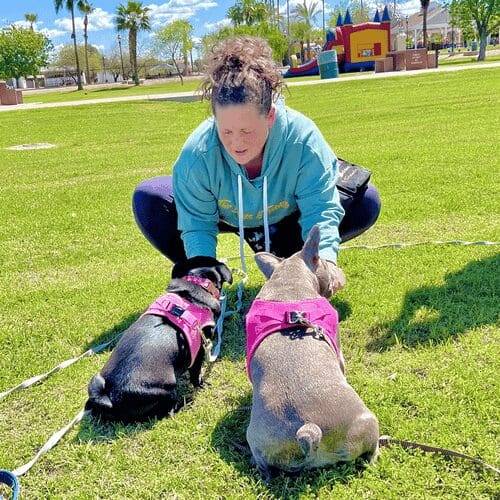
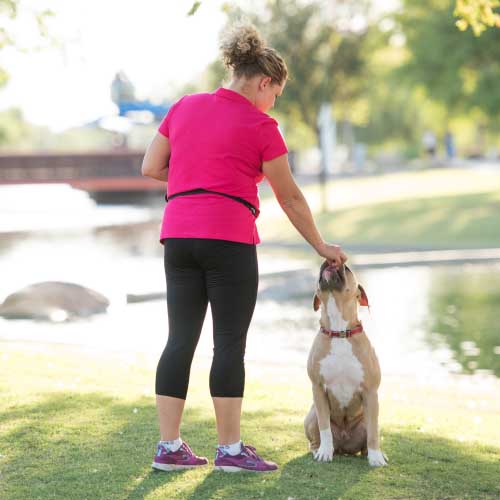
Patience is the heartbeat of successful positive reinforcement dog training. Like humans, dogs need time to learn, make mistakes, and try again. Training takes place across species, which means your dog is learning a completely foreign language.
Think back to when you learned something new. Did you master it instantly? Probably not. Now imagine doing it without knowing the words or expectations, that’s what dogs face.
Being a force free dog trainer means recognizing that pressure, frustration, or rushing the process undermines learning. Instead, meet your dog where they are. Some dogs grasp new skills in minutes. Others need multiple short sessions to build confidence and understanding.
Stay calm, present, and encouraging. If you feel distracted or frustrated, pause the session. Likewise, watch your dog’s energy, if they seem tired or overwhelmed, take a break. This shows respect and builds trust.
In the end, training should feel like teamwork. Keep sessions short, consistent, and fun. For puppies, 10–15 minutes is ideal. For adult dogs, stick to 20–40 minutes depending on focus and stamina.
Patience transforms your bond. When dogs feel safe and understood, they want to engage—and that’s when real growth happens.
Think back to when you learned something new. Did you master it instantly? Probably not. Now imagine doing it without knowing the words or expectations, that’s what dogs face.
Being a force free dog trainer means recognizing that pressure, frustration, or rushing the process undermines learning. Instead, meet your dog where they are. Some dogs grasp new skills in minutes. Others need multiple short sessions to build confidence and understanding.
Stay calm, present, and encouraging. If you feel distracted or frustrated, pause the session. Likewise, watch your dog’s energy, if they seem tired or overwhelmed, take a break. This shows respect and builds trust.
In the end, training should feel like teamwork. Keep sessions short, consistent, and fun. For puppies, 10–15 minutes is ideal. For adult dogs, stick to 20–40 minutes depending on focus and stamina.
Patience transforms your bond. When dogs feel safe and understood, they want to engage—and that’s when real growth happens.



Energy: Matching Your Mindset to Your Dog’s Emotional State

In reward based dog training, energy is everything. Your mindset, tone, and body language all influence how your dog responds. If you’re stressed or distracted, your dog will feel it. If you’re calm and clear, your dog will tune in.
Before any training session, take a moment to check your own energy. Are you rushed? Tired? Frustrated? If so, pause. It’s better to wait until you’re focused and positive. Dogs are emotional sponges, especially sensitive or underconfident ones.
Your dog’s energy also matters. A dog who’s overstimulated won’t be able to focus. A tired or anxious dog may need rest before training. Find the sweet spot where your dog is alert, relaxed, and ready to engage.
Matching energy levels creates better results:
Calm dogs may need extra encouragement or upbeat tones and energy
High-energy dogs may benefit from soft voices, slower movements, lower energy
Great dog trainers read these signals and adjust accordingly. Energy should flow both ways, making training feel connected, not forced.
Remember, the goal isn’t perfect behavior. It’s understanding, communication, and mutual respect. When energy is aligned, training becomes a shared experience, not a battle.
Before any training session, take a moment to check your own energy. Are you rushed? Tired? Frustrated? If so, pause. It’s better to wait until you’re focused and positive. Dogs are emotional sponges, especially sensitive or underconfident ones.
Your dog’s energy also matters. A dog who’s overstimulated won’t be able to focus. A tired or anxious dog may need rest before training. Find the sweet spot where your dog is alert, relaxed, and ready to engage.
Matching energy levels creates better results:
Calm dogs may need extra encouragement or upbeat tones and energy
High-energy dogs may benefit from soft voices, slower movements, lower energy
Great dog trainers read these signals and adjust accordingly. Energy should flow both ways, making training feel connected, not forced.
Remember, the goal isn’t perfect behavior. It’s understanding, communication, and mutual respect. When energy is aligned, training becomes a shared experience, not a battle.



Consistency: Creating Clear Expectations Your Dog Can Understand

Consistency is the glue that holds positive reinforcement dog training together. Dogs learn best when everyone uses the same cues, timing, and rewards.
If one person says “down,” another says “lie down,” and a third uses hand signals only, confusion sets in. Dogs aren’t being stubborn, they just don’t know what’s expected.
To be consistent, make sure:
Everyone uses the same words and gestures
Rewards are given at the exact moment a behavior happens
Rules are followed the same way, every time
Dogs thrive on clear expectations. When you’re consistent, your dog learns faster and trusts you more. Consistency also prevents setbacks, especially in multi-person households. Many families find that structured classes help reinforce consistency, which is why we often recommend exploring the benefits of group dog training when deciding between private lessons and class-based learning.
A positive dog training approach doesn’t just teach behaviors, it builds reliable habits. If you want your dog to sit politely at the door or walk calmly on leash, make sure those behaviors are rewarded and reinforced by everyone, not just the trainer.
Clarity needs consistency. And clarity builds confidence in both you and your dog.
If one person says “down,” another says “lie down,” and a third uses hand signals only, confusion sets in. Dogs aren’t being stubborn, they just don’t know what’s expected.
To be consistent, make sure:
Everyone uses the same words and gestures
Rewards are given at the exact moment a behavior happens
Rules are followed the same way, every time
Dogs thrive on clear expectations. When you’re consistent, your dog learns faster and trusts you more. Consistency also prevents setbacks, especially in multi-person households. Many families find that structured classes help reinforce consistency, which is why we often recommend exploring the benefits of group dog training when deciding between private lessons and class-based learning.
A positive dog training approach doesn’t just teach behaviors, it builds reliable habits. If you want your dog to sit politely at the door or walk calmly on leash, make sure those behaviors are rewarded and reinforced by everyone, not just the trainer.
Clarity needs consistency. And clarity builds confidence in both you and your dog.
Trust: Building a Strong Relationship That Makes Learning Possible

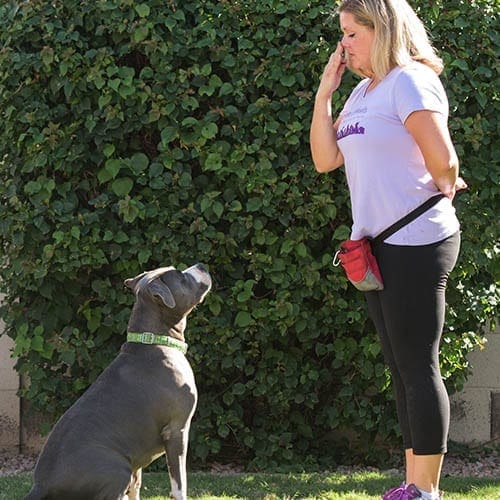
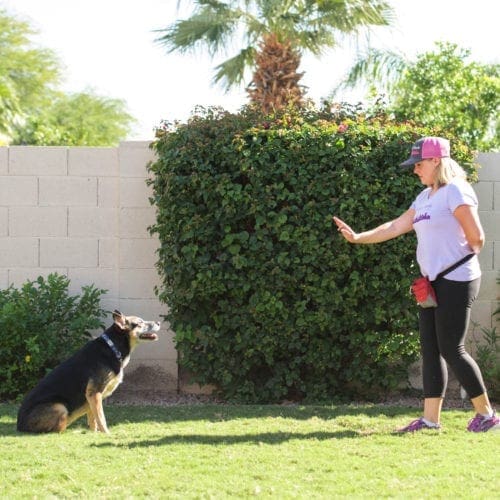
Trust is the heart of every healthy human–dog relationship. Without it, training becomes frustrating and fear-based instead of collaborative and joyful.
As a force free dog trainer, Kristie Halverson builds trust by never using pain, intimidation, or punishment. Instead, she follows the LIMA (Least Intrusive, Minimally Aversive) approach, ensuring your dog always feels safe, respected, and heard. If you're curious about why humane training methods matter, our guide explains why force-free dog training is better than punishment-based approaches.
Trust is earned when:
Your dog knows you’ll protect and advocate for them
You honor their physical and emotional boundaries
Training is filled with patience, predictability, and compassion
Think of trust as the invisible leash between you and your dog. It guides their confidence, improves communication, and deepens your bond both on and off leash.
Whether your dog is shy, fearful, reactive, or eager to please, reward based dog training built on trust will help them feel secure and understood. And when a dog trusts their human, the learning never stops.
As a force free dog trainer, Kristie Halverson builds trust by never using pain, intimidation, or punishment. Instead, she follows the LIMA (Least Intrusive, Minimally Aversive) approach, ensuring your dog always feels safe, respected, and heard. If you're curious about why humane training methods matter, our guide explains why force-free dog training is better than punishment-based approaches.
Trust is earned when:
Your dog knows you’ll protect and advocate for them
You honor their physical and emotional boundaries
Training is filled with patience, predictability, and compassion
Think of trust as the invisible leash between you and your dog. It guides their confidence, improves communication, and deepens your bond both on and off leash.
Whether your dog is shy, fearful, reactive, or eager to please, reward based dog training built on trust will help them feel secure and understood. And when a dog trusts their human, the learning never stops.


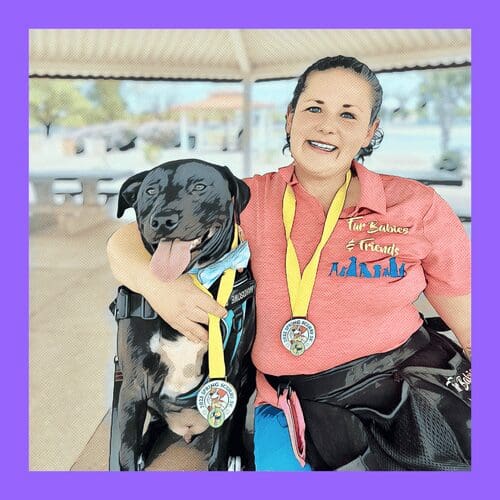
Professional Associations Kristie Is A Member Of





Reinforcement Dog Training from the Humane Society
Put the RESPPPECT Philosophy Into Practice With Professional Dog Training
Positive reinforcement dog training works best when the principles of reward, consistency, patience, and trust are applied in real-world situations. At FurBabies & Friends, the RESPPPECT philosophy is not just an idea, it guides every training session Kristie leads with dogs and their families across Glendale and the Phoenix West Valley.
Whether you are raising a new puppy, building stronger obedience skills, or working through frustrating behaviors like leash pulling or reactivity, our programs use the RESPPPECT framework to create clear communication and lasting results.
Explore the training programs where these principles come to life:
• Dog obedience training programs that build reliable everyday manners and communication
• Private and group puppy training programs focused on socialization, confidence, and early learning foundations
• Leash training and reactivity programs designed to help dogs stay calm and focused on walks
• Structured day training and board & train programs for families who need additional support
Every program is rooted in positive reinforcement, humane handling, and practical guidance for real-life situations. Families throughout Glendale, Peoria, Phoenix, and the surrounding West Valley communities trust FurBabies & Friends for compassionate, science-based positive dog training.
Explore All Positive Dog Training ProgramsWhether you are raising a new puppy, building stronger obedience skills, or working through frustrating behaviors like leash pulling or reactivity, our programs use the RESPPPECT framework to create clear communication and lasting results.
Explore the training programs where these principles come to life:
• Dog obedience training programs that build reliable everyday manners and communication
• Private and group puppy training programs focused on socialization, confidence, and early learning foundations
• Leash training and reactivity programs designed to help dogs stay calm and focused on walks
• Structured day training and board & train programs for families who need additional support
Every program is rooted in positive reinforcement, humane handling, and practical guidance for real-life situations. Families throughout Glendale, Peoria, Phoenix, and the surrounding West Valley communities trust FurBabies & Friends for compassionate, science-based positive dog training.