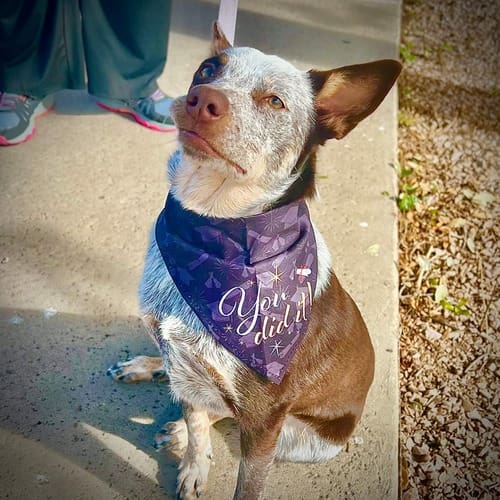
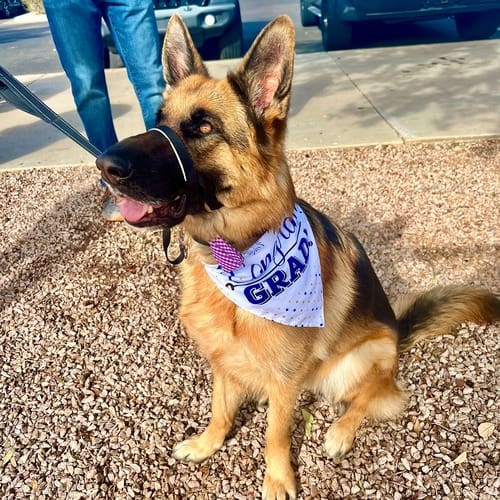
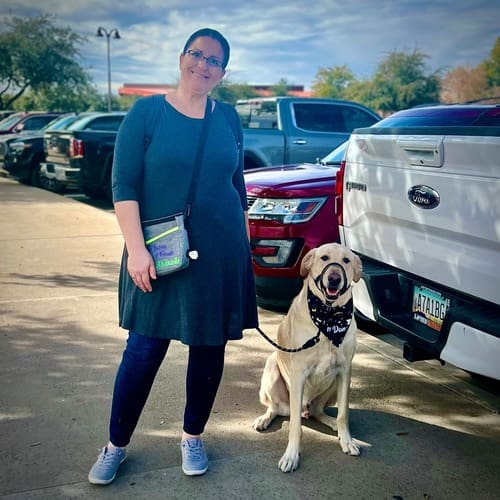
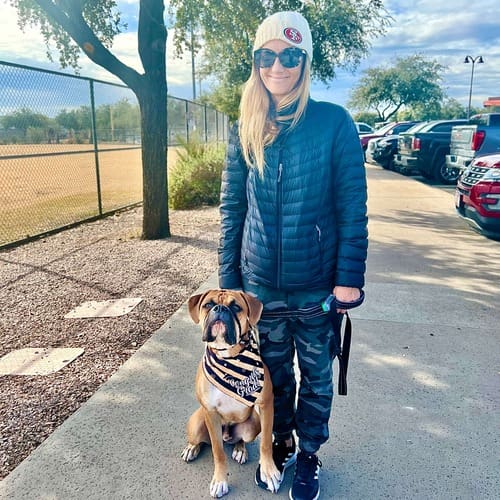
Positive Reinforcement Dog Training in Glendale, AZ
FurBabies & Friends offers positive reinforcement dog training in Glendale, AZ for puppies, adult dogs, and families who want practical help with real-life behavior. Whether your dog needs private in-home training, dog obedience classes, virtual coaching, leash support, puppy training, or a more specialized program, Kristie will help you choose the path that fits your dog’s age, goals, and learning needs.
Our training is force-free, positive, structured, and designed for everyday life. That means no shock collars, prong collars, choke chains, fear-based corrections, or intimidation. Instead, we focus on clear communication, trust, consistency, and skills your family can continue using at home.
Trusted Positive Reinforcement Dog Trainer in Glendale, AZ
Choosing the right dog trainer means trusting someone with your dog, your home, and your time. FurBabies & Friends provides structured, force-free dog training backed by professional experience, clear communication, and a strong local reputation across Glendale, Peoria, and the Phoenix West Valley.
No shock collars, prong collars, choke chains, fear-based corrections, or intimidation. Training is built around trust, consistency, clear communication, and positive reinforcement.
Kristie Halverson brings 8+ years of professional dog training experience and 20+ years working with dogs, including rescue, rehabilitation, and foster dog support.
Kristie is an AKC S.T.A.R. Puppy and Canine Good Citizen Evaluator and maintains memberships with respected professional dog training and pet care organizations.
FurBabies & Friends has helped thousands of local dogs and families and is backed by strong reviews, local awards, and a trusted reputation in the Glendale area.
Every dog learns differently, and the right training path depends on your dog’s age, behavior, environment, and your goals. Some families need private in-home dog training. Others are ready for group obedience classes, puppy training, leash support, virtual coaching, or a more specialized program.
Use the guide below to choose the best starting point. If you are not sure which option fits, start with an in-home evaluation and Kristie will recommend the most appropriate training plan.
Private In-Home Dog Training
Best for dogs who need one-on-one help with obedience, manners, jumping, recall, household behavior, leash basics, confidence building, socialization, or a specific training goal.
Private in home obedience training or group classes that are best suited for ready to learn around other dogs and people. Training options include beginner, intermediate, advanced obedience, & CGC Prep.
Best for puppies who need help with potty training, crate training, puppy biting, early cues, socialization, confidence, and family routines. AKC STAR puppy class also available.
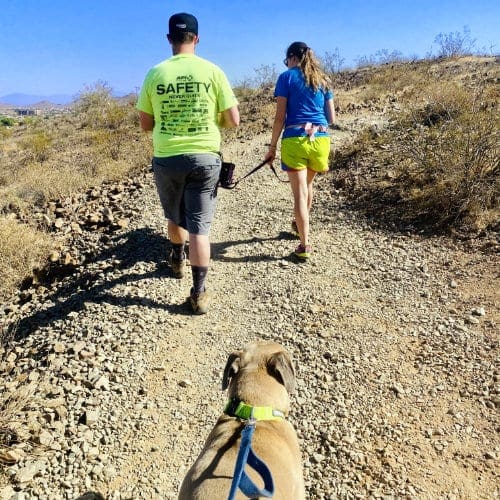
Best for dogs and their handlers who need help with leash manners or who pull, bark, lunge, freeze, or become overstimulated on walks. This path focuses on structure, threshold work, and calmer walking behavior.
Best for busy families or dogs who need more hands-on trainer-led support than weekly lessons. Options include dog day training and selective in-home board and train.
Best for dogs who need training beyond basic obedience, including scent work, trick training, door manners, threshold control, new dog introductions, and multi-dog home support.
Best for families who want professional coaching from home, need flexible scheduling, live outside the in-person service area, or want follow-up support between sessions.
Best for appropriate dogs working toward foundation skills such as obedience, leash manners, focus, settling, confidence, exposure, and public-setting manners.
Important: FurBabies & Friends does not provide disability-specific task training, service dog certification, therapy dog certification, legal documentation, or public access guarantees.
Some dogs and families need flexible training support instead of a full program or group class. Private in-home dog training and virtual dog training are ideal when you want customized coaching for a specific issue, need help choosing the right training path, or prefer one-on-one support built around your dog, home, schedule, and goals.
Private In-Home Dog Training
Flexible One-on-One Training for Real-Life Behavior Goals
Private in-home dog training gives your family customized coaching in the environment where your dog actually lives and practices daily habits. These sessions are a good fit for dogs who need help with obedience, manners, household routines, leash basics, confidence, transitions, or specific behavior concerns that do not require a larger specialty program.
Kristie works with you and your dog directly, explains what to practice, and helps your family build realistic training steps you can continue between sessions.
Best For:
* Dogs who need one-on-one coaching * Families who want flexible training support * Basic obedience and household manners * Jumping, barking, counter surfing, or destructive behavior * Leash walking basics and focus * Recall, stay, polite greetings, and impulse control * Confidence building and socialization support * New baby introductions or family routine changes * Owners who are not sure which training program fits best
Training May Include:
* Obedience cues such as sit, down, stay, come, recall, and place * Polite greetings and reduced jumping * Household manners and management routines * Leash walking foundations * Confidence-building exercises * Crate, car, vet, or handling preparation * New baby or household transition support * Customized homework for your dog’s needs * Family coaching so everyone uses the same cues and routines
Program Structure & Pricing:
Training evaluation, $75, with $50 credited toward training if you move forward
Virtual dog training is a flexible option for families who want professional coaching without an in-person visit. These sessions are helpful for owners outside the regular service area, clients who need follow-up support, or families who want help troubleshooting training questions from home.
Virtual training is coaching-based. Kristie guides you through the training plan, demonstrates concepts when helpful, watches your handling, answers questions, and gives you clear homework to practice between sessions.
Best For:
* Families outside the in-person service area * Follow-up support between in-person sessions * Puppy training questions * Basic obedience coaching * Household manners and management planning * Troubleshooting training homework * Preparing for a new puppy or new dog * Owners who need flexible scheduling * Dogs who are more comfortable learning at home
Training May Include:
* Puppy setup, routines, and early training guidance * Potty training and crate training coaching * Obedience homework support * Leash foundation troubleshooting * Jumping, barking, and household manners coaching * Management plans for common behavior issues * Confidence-building exercises * Family practice structure * Review of videos you provide, when appropriate * Clear next steps after each session
Program Structure & Pricing:
Virtual dog training sessions, $100 per hour
Sessions are held by video call * Best for coaching, planning, troubleshooting, and owner education * Homework and practice steps are provided after the session * May be used alone or as follow-up support after in-person training * Positive reinforcement, force-free training methods only
Group Dog Walking Events Held October through April
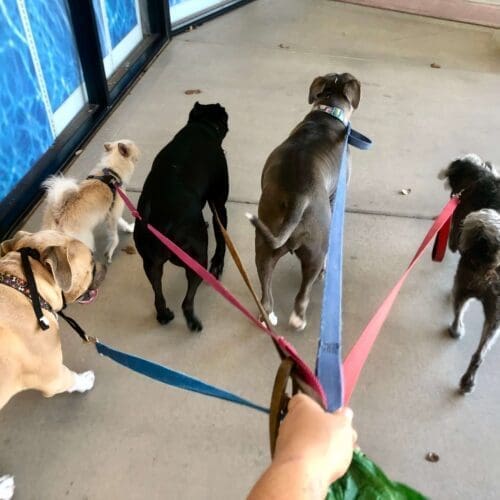
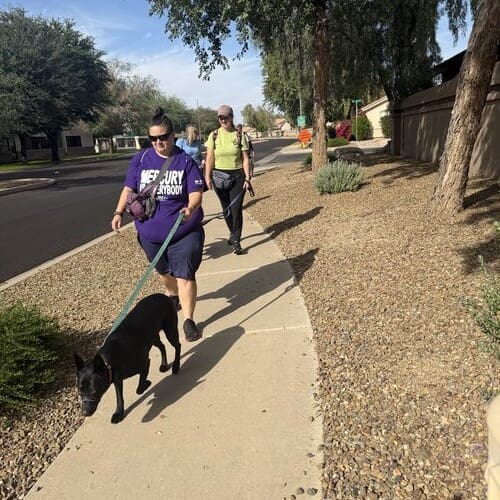
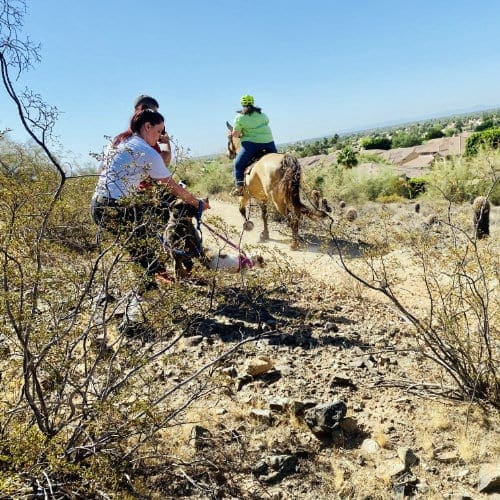
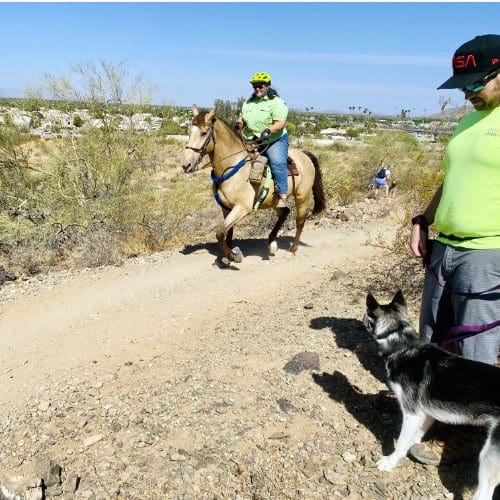
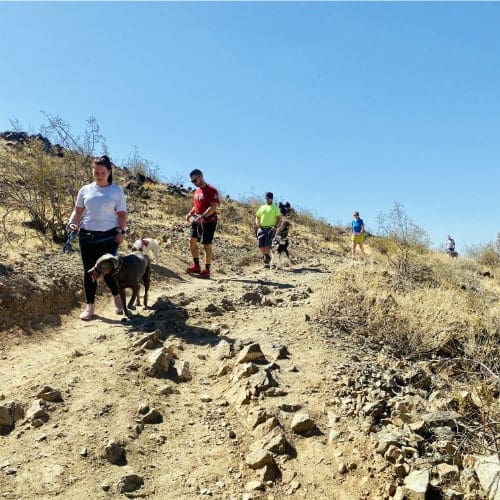
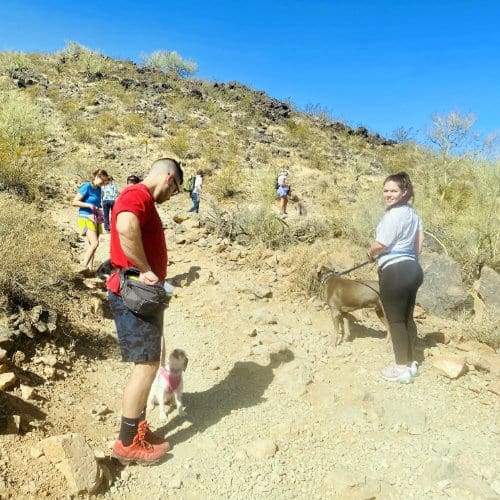
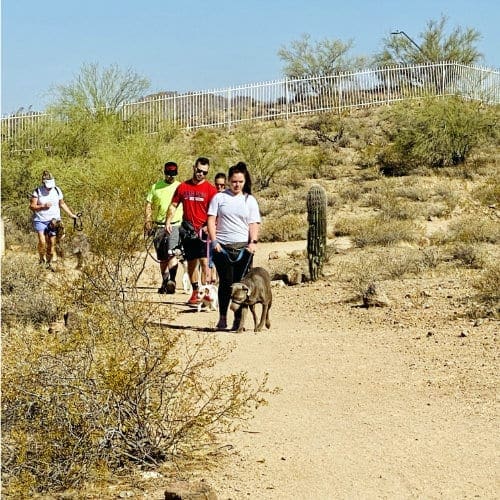
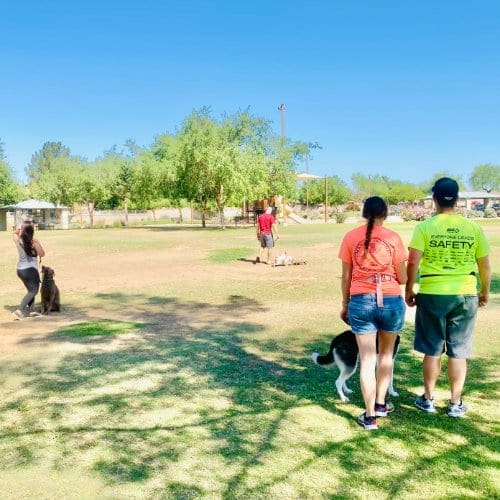
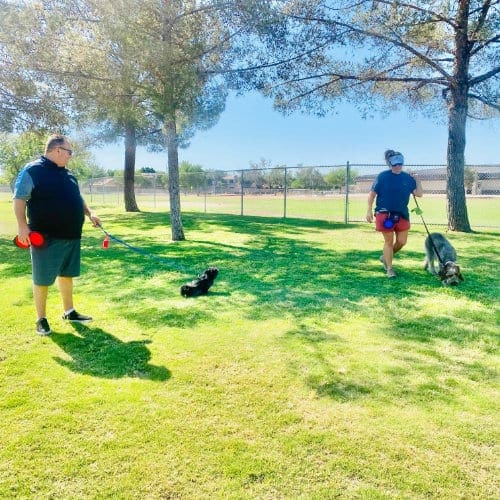
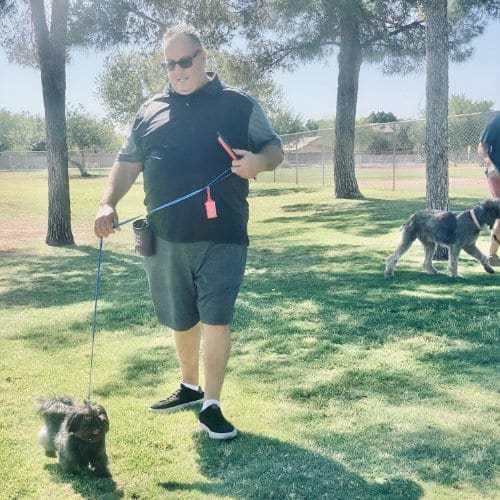
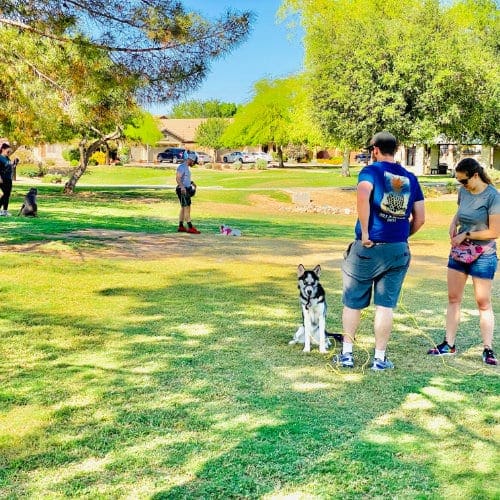
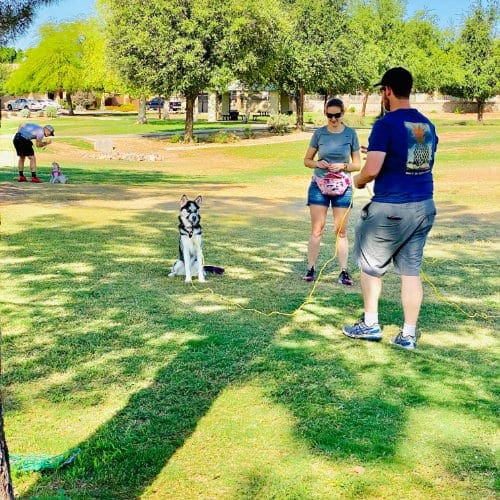
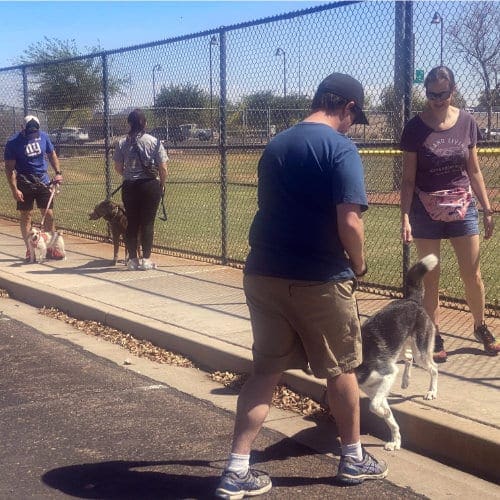
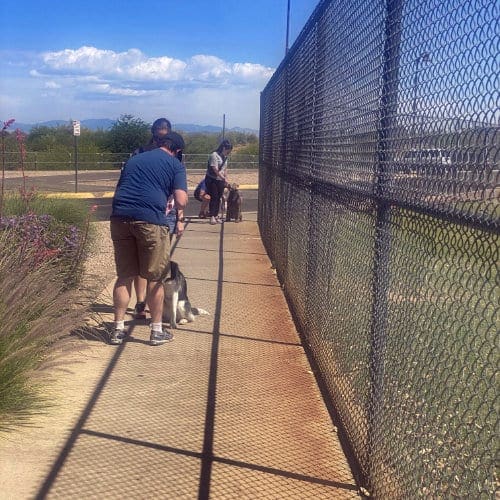
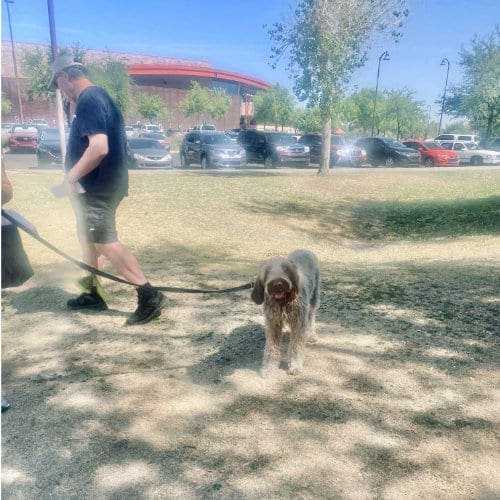
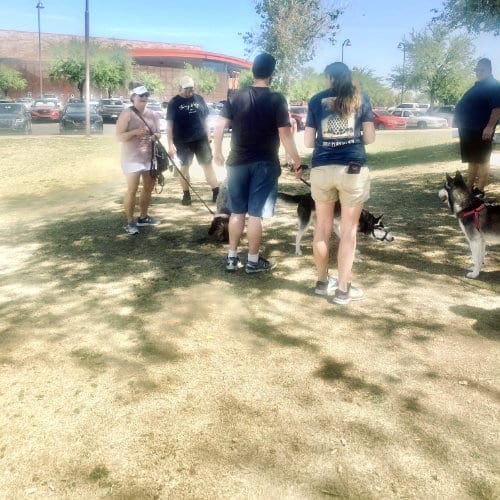
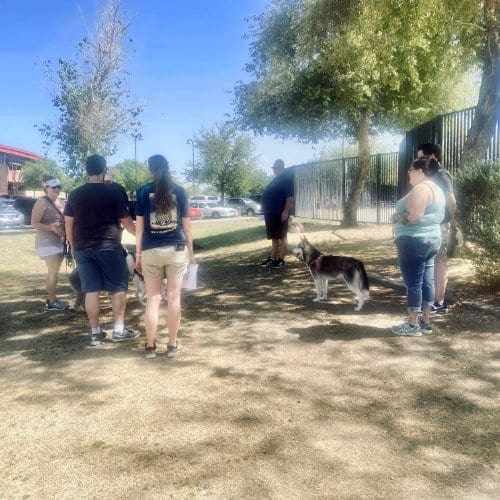
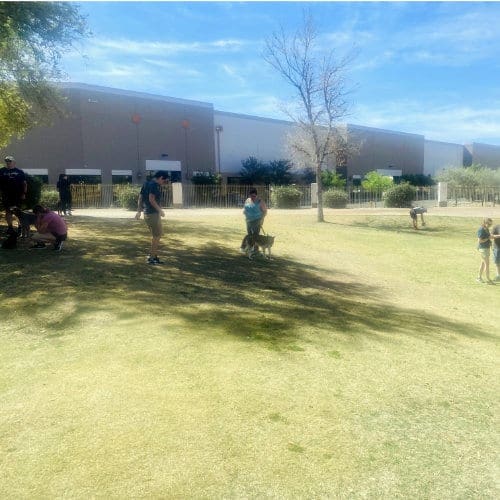
Our Dog Pack Walks combine socialization with real-world training practice. Each guided one-hour walk reinforces skills like loose-leash walking, focus, and calm greetings in distraction-filled environments. It’s an ideal way to strengthen your dog’s training foundation outside the home while building confidence around other dogs and people.
Held weekly from October through April, these structured walks rotate through different West Valley park locations to keep training fresh and challenging. Walks begin at 6:30 PM and wrap up at 7:30 PM. The cost is $10 per dog, and all dogs must remain on a standard six-foot leash, no flexi leashes permitted.
Pack Walks are open to both current training students and the general public. Visit the Classes & Events page for park schedules, maps, and registration details. This is hands-on learning in motion. The perfect way to turn practice into everyday success.
Structured group walks help you:
* Practice leash skills around other dogs * Safely build canine social skills confidence around other dogs * Increase attention and focus around distractions * Build impulse control * Implement walking structure * Get hands-on coaching from Kristie
Location varies by week but are predominantly in Phoenix West Valley parks Cost $10
These structured outings are also a great complement to our professional dog walking services for dogs who benefit from consistent leash practice and exercise during the week.
Overview of Upcoming Pack Walks
Date: Monday, October 26, 2026 * Time: 6:30 PM to 7:30 PM
Register For A Group Training Class, Pack Walk or Event
Our Dog Training Process & Evaluation
Step-by-Step Guidance Before Training Begins
Every dog is different, so the best training plan depends on your dog’s age, behavior, environment, history, and your goals. Before starting private in-home training, day training, board and train, or behavior-focused support, Kristie typically begins with a 60-minute in-home evaluation.
The evaluation helps identify what your dog needs, which training option is the best fit, and what your family should expect before committing to a program or package.
Dog Training Evaluation Details
In-Home Dog Training Evaluation: 60 minutes, $75 $50 credited toward future training if you choose to move forward
During the evaluation, Kristie will: * Observe your dog’s body language, temperament, and household routine * Discuss your goals, concerns, and training history * Identify which behaviors need the most immediate attention * Review your dog’s home environment, triggers, and daily patterns * Recommend the best training path for your dog and family * Provide realistic next steps, pricing, and program options
What Happens After the Evaluation
After the evaluation, you will receive a clear recommendation based on your dog’s needs. This may include private in-home dog training, virtual coaching, puppy training, dog obedience classes, leash and reactive dog training, day training, board and train, specialty dog training, or another training path.
The goal is to help you avoid guessing. You will know which option fits, why it fits, and what your family needs to do to support progress.
Group Class Note
Some group classes and events may not require an in-home evaluation if your dog is already a good fit for a group setting. If your dog struggles around other dogs, people, distractions, or new environments, an evaluation may be recommended before registering.
Virtual Training Note
Virtual dog training may be available without an in-home evaluation for coaching, troubleshooting, puppy questions, obedience homework, or follow-up support. If your dog’s needs are more complex, Kristie may recommend an in-home evaluation or a different training option.
Kristie Halverson, owner and head trainer of FurBabies & Friends, combines professional dog training experience, force-free methods, continuing education, and practical coaching for families throughout Glendale and the Phoenix West Valley.
Professional Dog Training Experience
* 8+ years of professional dog training experience * 20+ years of hands-on experience with dogs, including rescue, fostering, and rehabilitation support * 70+ foster dogs trained and supported * AKC S.T.A.R. Puppy & Canine Good Citizen (CGC) Evaluator * Extensive experience with puppy training, leash manners, reactivity, obedience, confidence building, and household behavior * Recommended trainer by Maricopa County Animal Care & Control * Approved trainer through programs developed by Dr. Ian Dunbar
Professional Memberships & Continuing Education
Kristie maintains professional memberships and continuing-education connections with organizations supporting humane, ethical, and science-informed dog training and pet care.
FurBabies & Friends has helped dogs and their families build better behavior, clearer communication, and stronger relationships. With more than 200 five-star reviews and recommendations, our reputation is built on real client experiences and measurable progress, not quick-fix promises.
What Dog Training Clients Are Saying
Danielle Vanica2 months ago
It's been a huge relief having Fur Babies & Friends for our 2 dogs and 4 cats any time we're out of town. We just returned from our third trip hiring them and I swear there was some disappointment from my dogs that it wasn't Vanessa, Camryn, or Karen coming through the door.
Their organization and communication during visits is perfect! I always know exactly who is stopping by and when. I get photos after every visit, even of my cats who hide under beds and couches. The team is really good about reinforcing behaviors and routines with our high-energy dogs and making the most of their visit time.
We will happily be in touch for all our future trips!
Elena Simpson2 months ago
My dog Jack is a rescue. He was aggressive and nervous around other dogs making it very difficult to take him on walks. After attending the sessions with Kristie, I can now confidently take him on walks, and enjoy doing so, as he has become much more calm when seeing other dogs. I took the private class in addition to the regular sessions. The sessions and classes helped me learn how to properly lead my dog, and encourage good behavior. Thank you Kristie!!
Leslie Funicelli2 months ago
Dealing with an insecure dog who is leash reactive was very overwhelming and exhausting. Finding Kristie was a God sent. She has worked with me and Kane (dog) walking with us and teaching me proper techniques with Kane. This has built up my confidence and leadership so Kane will feel more secure. We have ups and downs on our walks but I take little wins in this battle of learned behavior. This is not a flip of a switch and he is cured but a work in progress. Kristie also worked with my working schedule and we watched out for overly hot days.
Shari B2 months ago
Kristie is amazing and you can see the love she has for dogs. Not only is she patient with the dogs but the owners as well. I used to struggle walking either of our dogs using both hands. Now I can walk either of them one handed. They are 72 and 76 lbs so you can imagine my excitement not being taken for a walk by them. If you are looking for a compassionate yet firm, knowledgeable trainer, she's the one to call.
Trish Harmeyer2 months ago
Kristie is absolutely amazing! We recently brought our first puppy into the house and were struggling in every way. We have now completed 2 of our 3 puppy in-home training sessions with Kristie and Yeti is turning into such a wonderful girl. I cannot recommend Kristie enough!! She is so patient teaching us how to be better puppy parents and to help Yeti become a well mannered pup. We couldn't be more thrilled with the progress so far. We are so relieved to find someone that Yeti and we love to help us navigate training!!
Martha Ori2 months ago
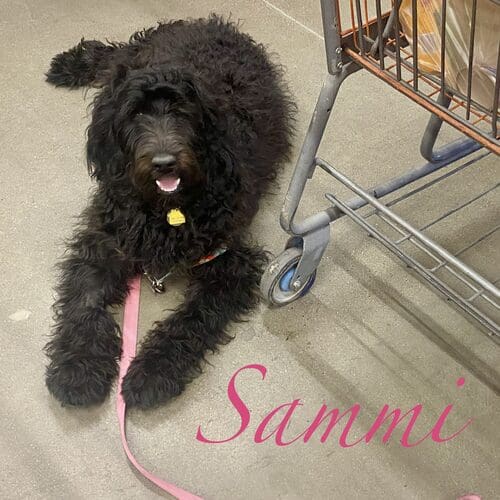
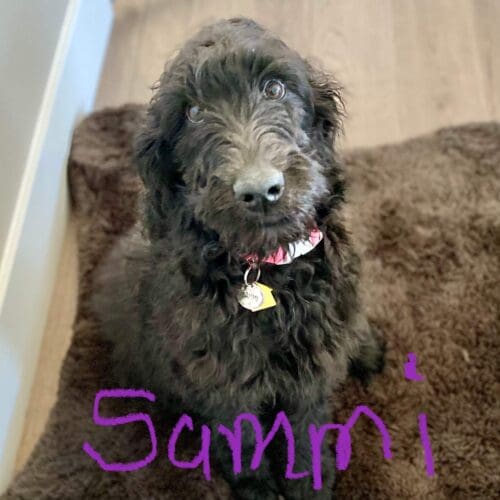
Kristie is amazing ! She turned our crazy puppy into a well behaved sweetheart. She took extra time with our Sammi and we are still reaping the benefits. Thank you again Kristie!!
Sarah A2 months ago
FurBabies & Friends are incredible! We booked them to take care Sarge (He is a Germanshepard/Husky mix who is 10.5 years old ) Our trip was 9 days long so we wanted Sarge to be home and enjoy his own space. Kristie came to our house and met our family and Sarge. She was so personable and answered all my questions. (Sarge loved her too) Kristie then put together a schedule of who would visit each day and what time. Fast forward to the dog sitters—the team was amazing! We had a group text that we communicated with each other throughout the week. Each visit included a walk, playtime, and feeding. I was also provided with daily updates….pictures, videos, and texts about how each visit went. I am so grateful for meeting Kristie and her company. I was able to truly relax and enjoy my trip because I knew Sarge was in great hands. I highly recommend FurBabies & Friends for your upcoming pet needs
Heidi H7 months ago
Kristie and her team are fabulous. Kristie’s ability to immediately bond with your dog is amazing and her training techniques work! I also hired her team to walk my dog when I had an injury. Vanessa was so helpful just not walking my dog but helped bring in garbage bins and even replace a water job. She treated my dog as if she were her own. I highly recommend Fur Babies and Friends.
Shari Blanchard7 months ago
Still the best trainer and groomer for our Alusky. Kristie is amazing.
Nick Hornbaker7 months ago
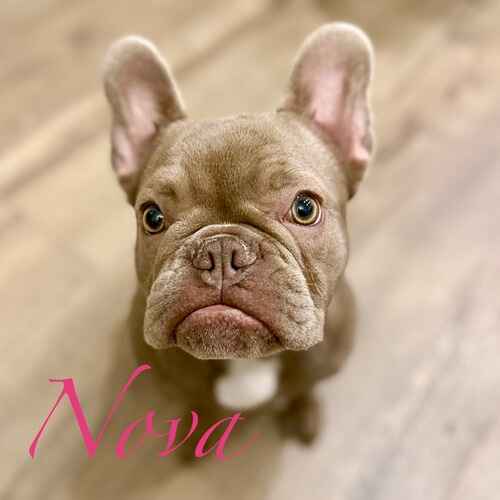
When we got our 2nd dog Nova it was an uphill battle from the beginning. She had so much anxiety and was afraid of everyone and everything. Kristie was able to help over the years with training, walks and grooming. Looking back our dog has come so far and I'm not sure if we would have been able to make the progress we did without Kristie's help.
Annie Hunt7 months ago
I've had both my puppers go through dog training with FurBabies &Friends and it was great. We also have them come twice a week to get our kiddos out on a walk. I would recommend them every time im asked.
skellhi28578 months ago
Kristi is AMAZING! We adopted a very hyper puppy last summer and shortly after a fearful dog. We had started with a different trainer who was not hands on and when things weren’t getting better we started looking elsewhere. A friend recommended FurBabies and I wish we would have started with Kristi! She is very knowledgeable and hand on. She explains a dogs perspective and then demonstrates whatever it is she is teaching. She will make sure you understand and can also do the task before moving on. I can’t say enough how thankful I am. I went from crying in frustration to smiling at how proud I am of where we are today and that’s only because of Kristi! I would also highly recommended her for grooming and pet sitting. We have always hired friends to watch our pups but after our new puppy we realized that we needed a bit more. Kristi has a wonderful team who will come into your home with respect and love your babies while you are gone. You get multiple daily updates and pictures. It puts your mind at ease being away knowing your pups and home are being so well cared for! Again, I wish I would have heard about Kristi sooner! She is truly amazing at everything she does and I can’t recommend her enough!
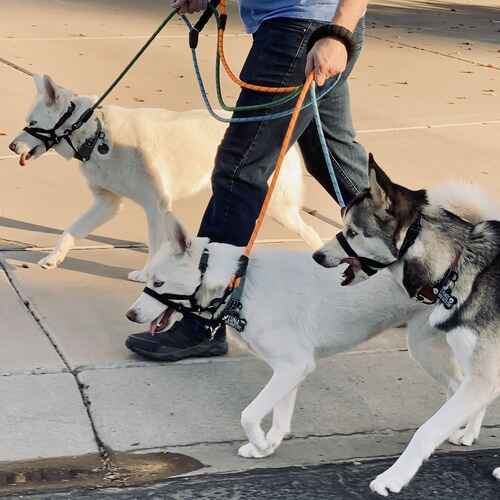
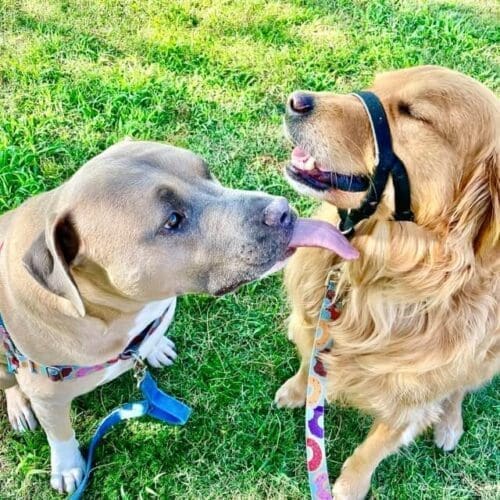
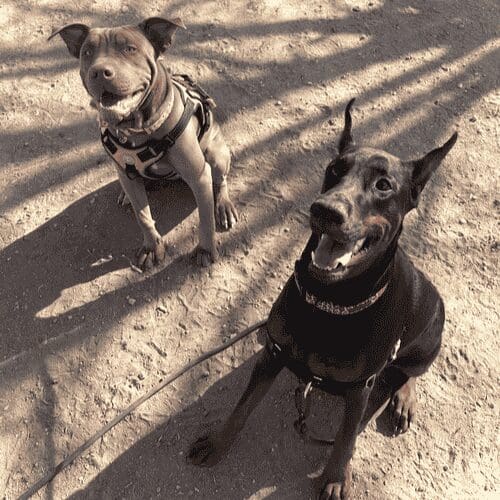
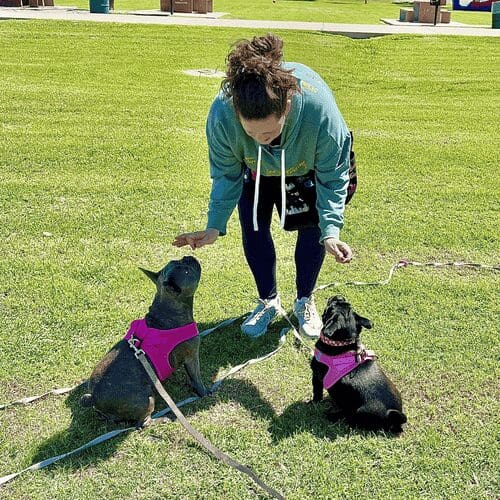
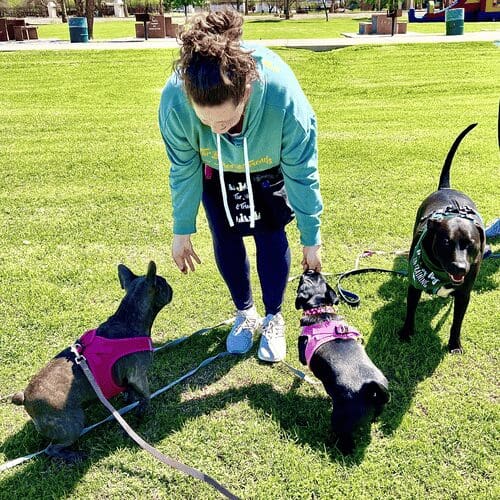
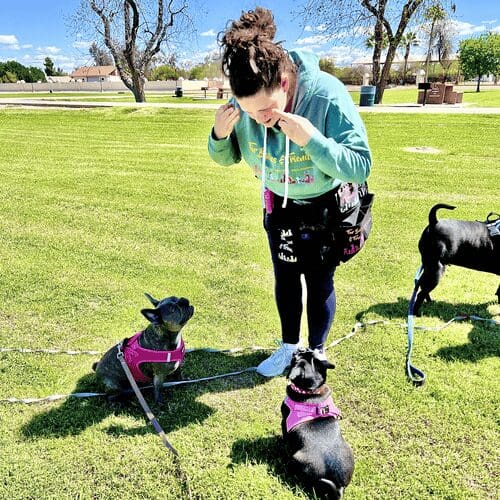
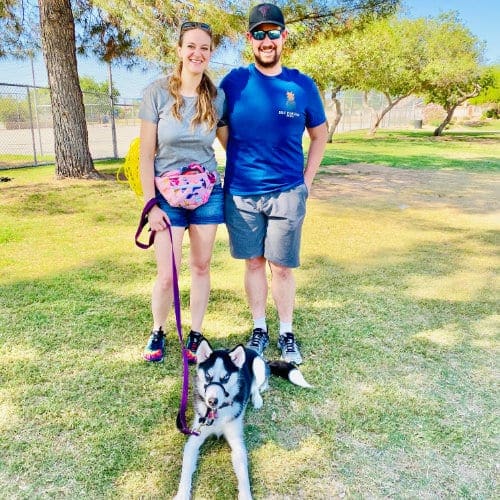
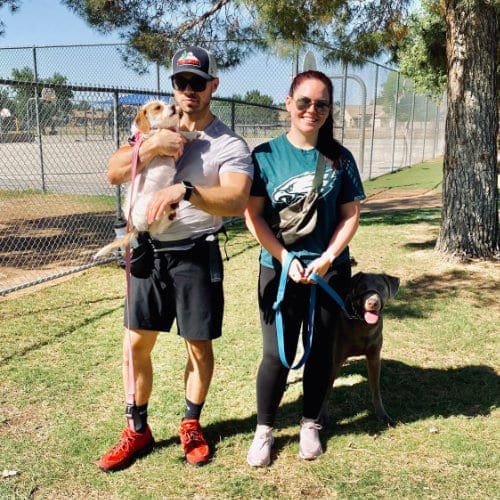
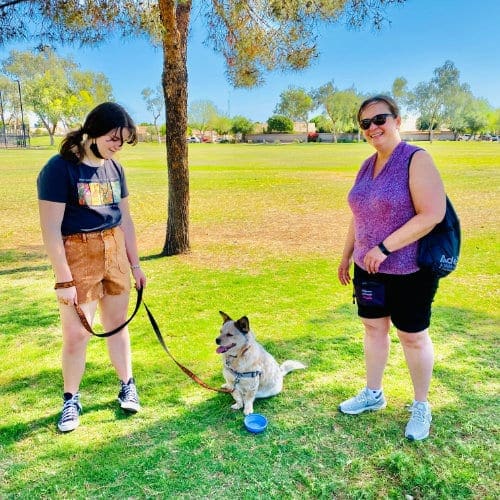
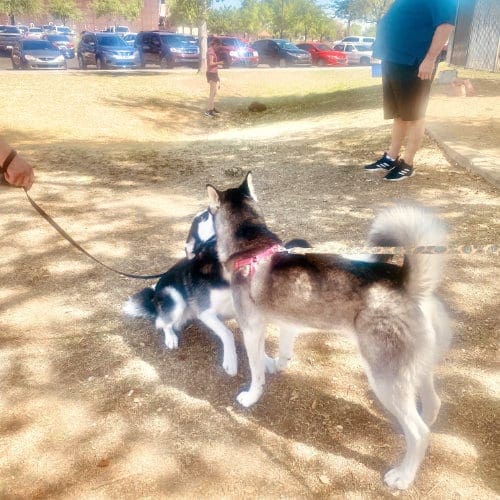
Dog reactivity training and dog leash training with a force free dog trainer in Glendale, AZ.
Dog reactivity training and dog leash training with a force free dog trainer in Glendale, AZ.
Puppy Training Photo Gallery
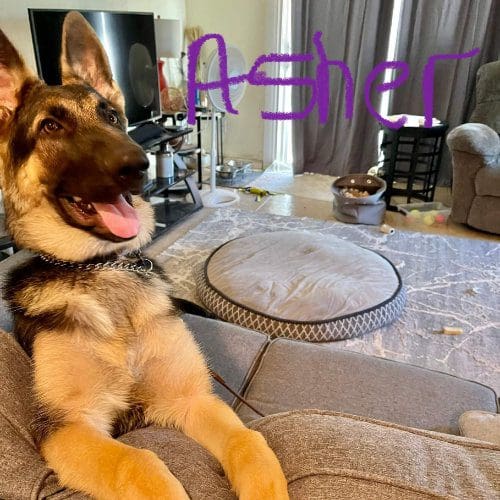
Asher the high energy German Shepard excelled during in home behavior modification in Phoenix, AZ.
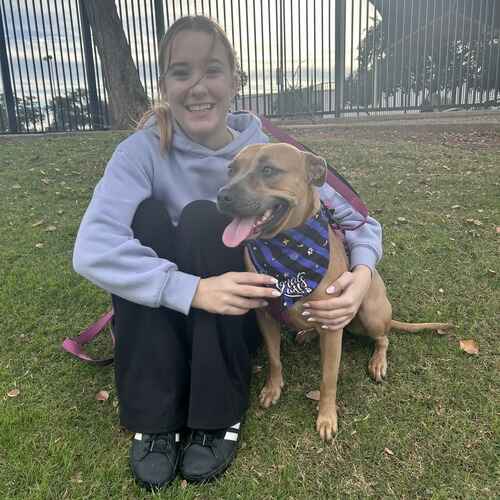
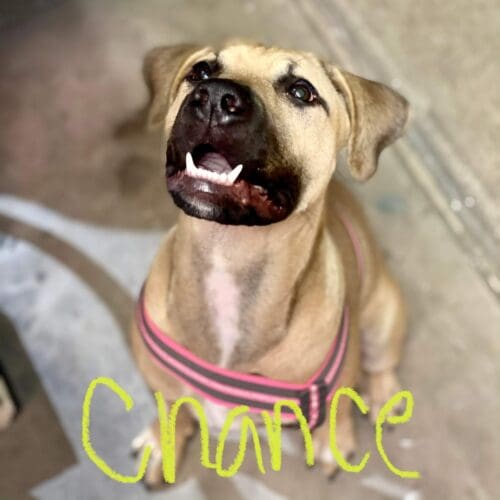
Chance, the pit bull puppy, in Peoria, AZ takes cute pet photos during puppy training,
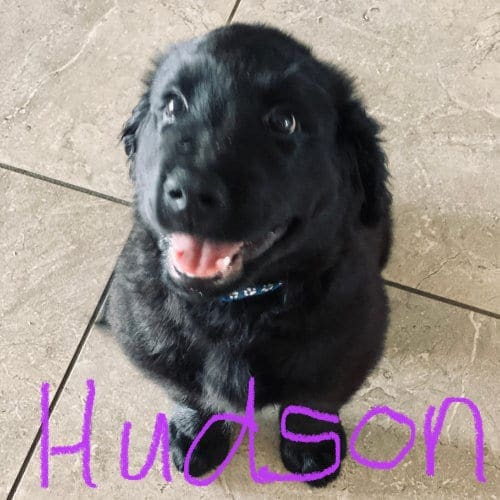
Hudson, the Black lab puppy, in Peoria, AZ was all smiles during puppy school.
Zeus, the poodle puppy, in Phoenix, AZ excelled during puppy basics training.
Olive, the Lab Mix rescue puppy, went through intensive in home dog behavior modification.
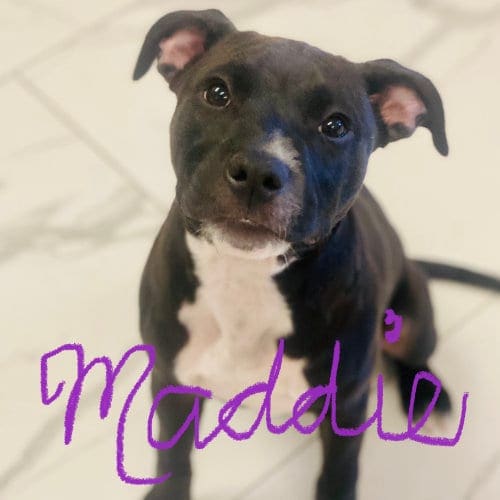
Maddie, the pit bull puppy, in Cave Creek, AZ loved learning knew stuff during puppy school.
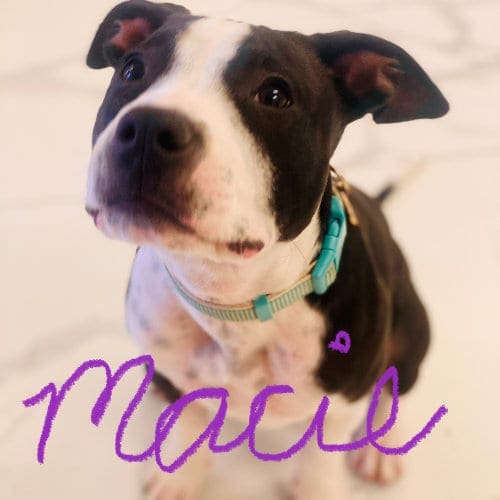
Macie,, the pit bull puppy, enrolled in in home puppy school for a great start at being a breed ambassador..
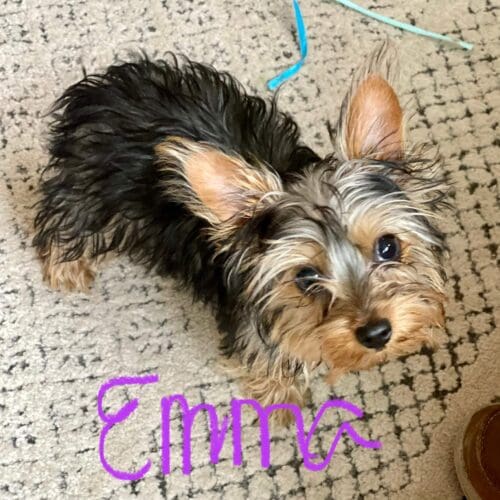
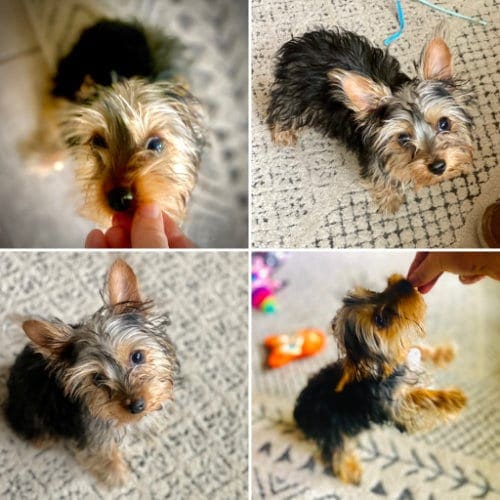
Emma Lou, the Yorkie puppy, in Peoria, AZ loved her positive reinforcement puppy training with FurBabies & Friends.
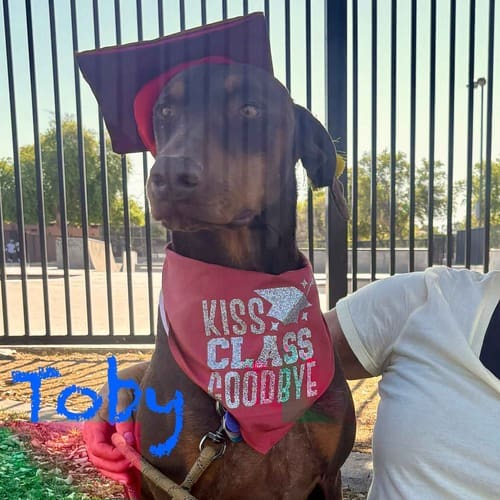
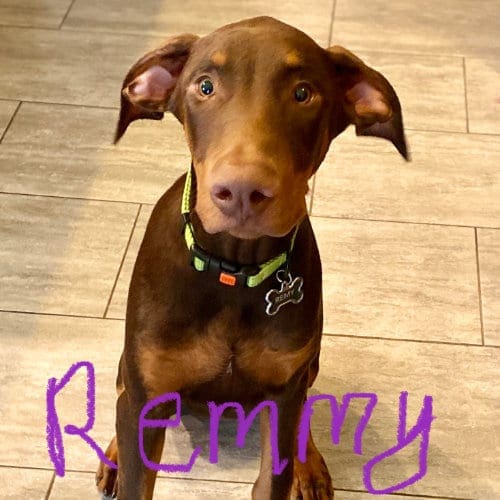
Remmy, the Doberman puppy, in Phoenix, AZ was a shining star durng positive puppy basics training with FurBabies & Friends.
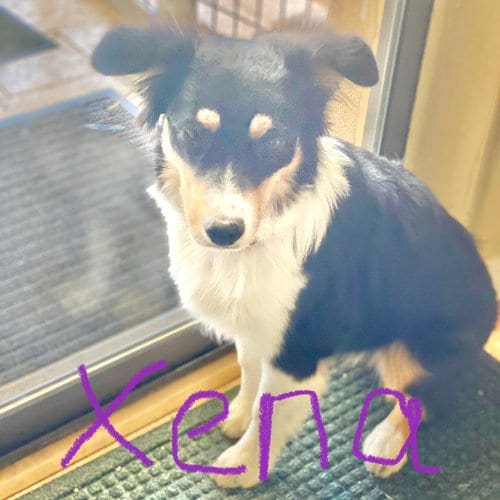
Xena, the mini aussie, in Phoenix, AZ proved why her breed in the smartest in her in home puppy training with FurBabies & Friends.
Zuko, the Shitzu, doing a perfect sit during dog group obedience class.
Zuko, the Shitzu, doing a perfect sit during dog group obedience class.
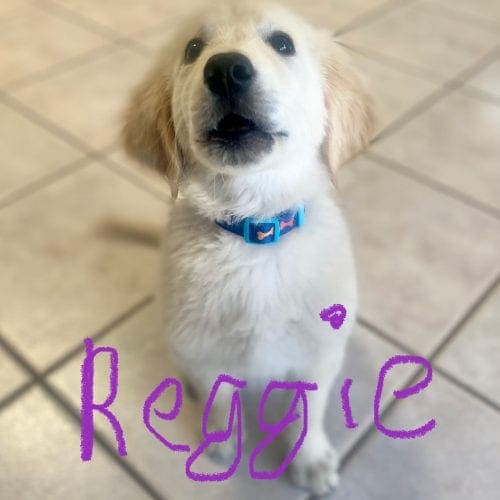
Reggie, the yellow lab puppy, had some resource guarding issues that FurBabies & Friends trainer solved for his parents.
Reggie, the yellow lab puppy, had some resource guarding issues that FurBabies & Friends trainer solved for his parents.
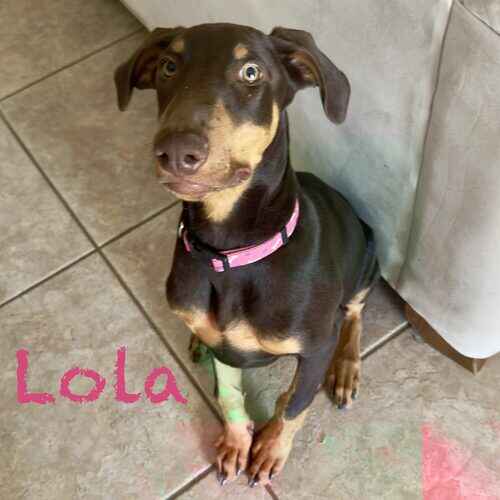
Lola, the Lab/pit bull mix, started puppy manners for a solid foundation for basic training.
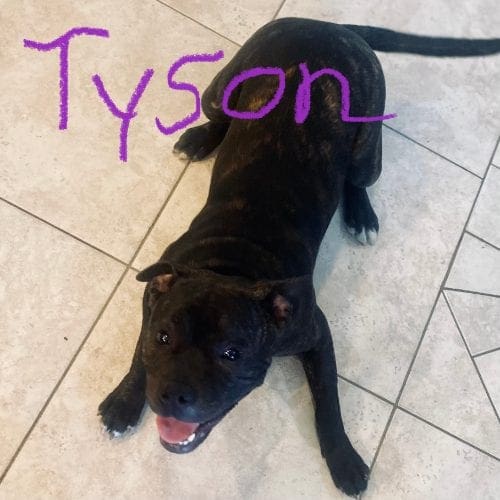
Tyson, the pit bull puppy, got help from the FurBabies & Friends trainer who specializes in pit bulls.
Tyson, the pit bull puppy, got help from the FurBabies & Friends trainer who specializes in pit bulls.
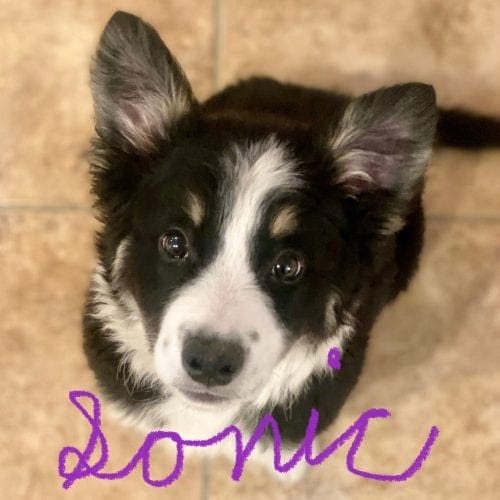
Sonic, the mini aussie in Phoenix, became the perfect puppy after dog training with FurBabies & Friends trainer.
Sonic, the mini aussie in Phoenix, became the perfect puppy after dog training with FurBabies & Friends trainer.
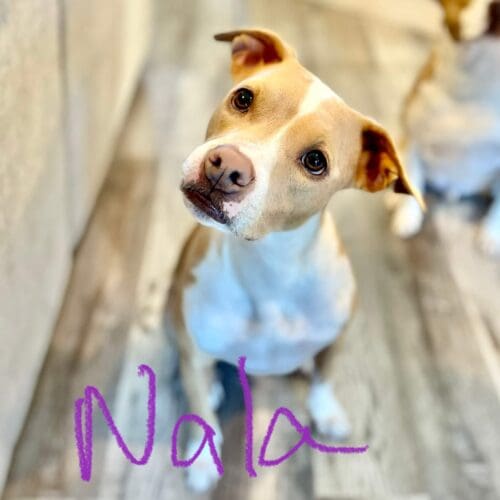
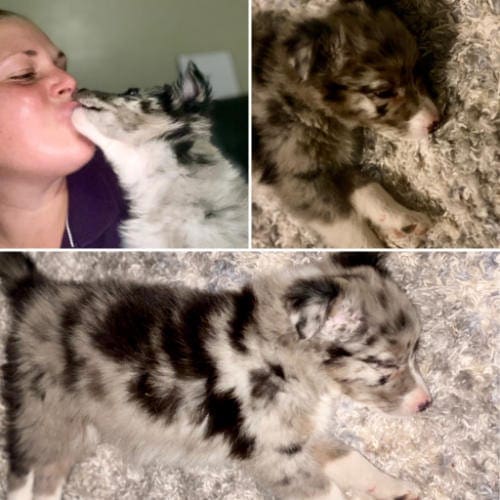
Nala, the mini aussie puppy, only wanted to give kisses and sleep during in home puppy school.
Puppy School for Pomeranian Minx in Vistancia, AZ
Puppy School for Pomeranian Minx in Vistancia, AZ
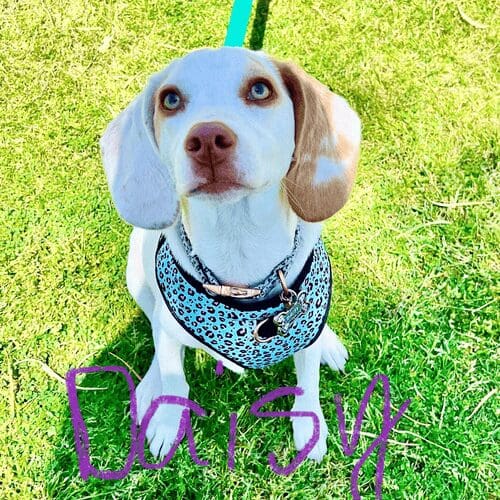
Daisy being transported to her puppy evaluation for social skills
Daisy being transported to her puppy evaluation for social skills
Rescued mixed breed puppy Lola got a tough start and was very fearful of new people during puppy kindergarten
Rescued mixed breed puppy Lola got a tough start and was very fearful of new people during puppy kindergarten
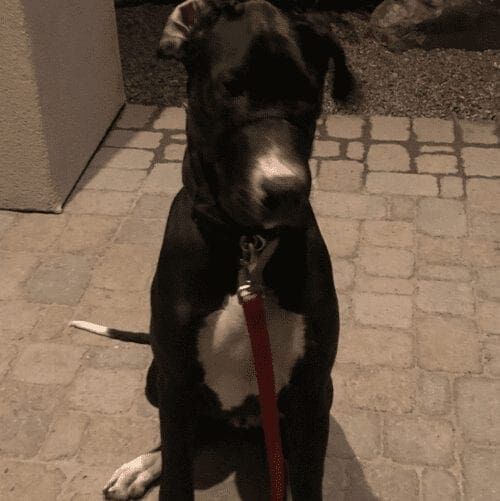
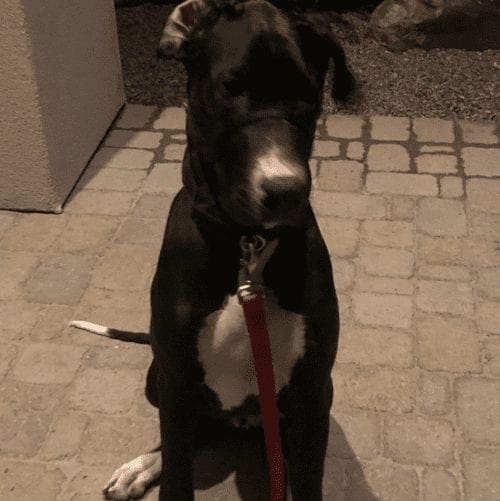
Great Dane Jay, already massive, was tons of fun puppy training in Peoria AZ
Great Dane Jay, already massive, was tons of fun puppy training in Peoria AZ
puppy millie was cute as can be during puppy kindergarten in Peoria, AZ
puppy millie was cute as can be during puppy kindergarten in Peoria, AZ
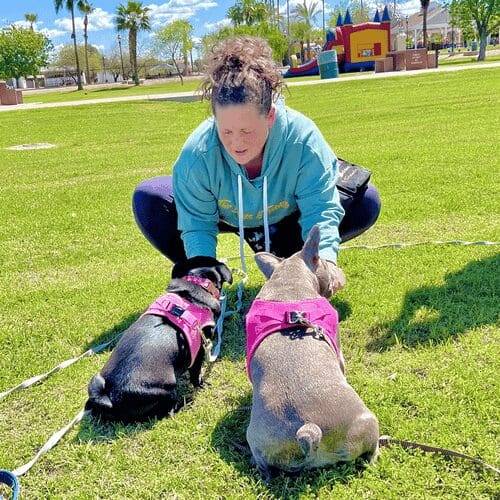
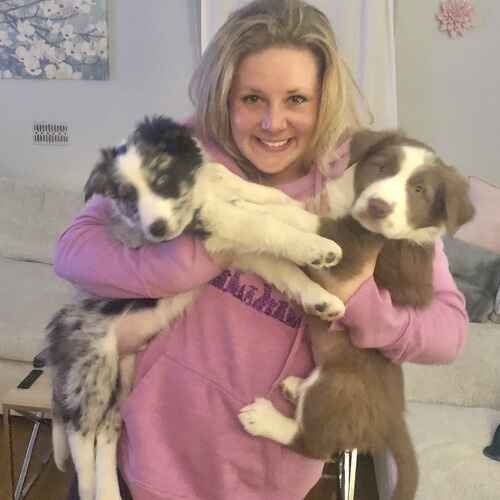
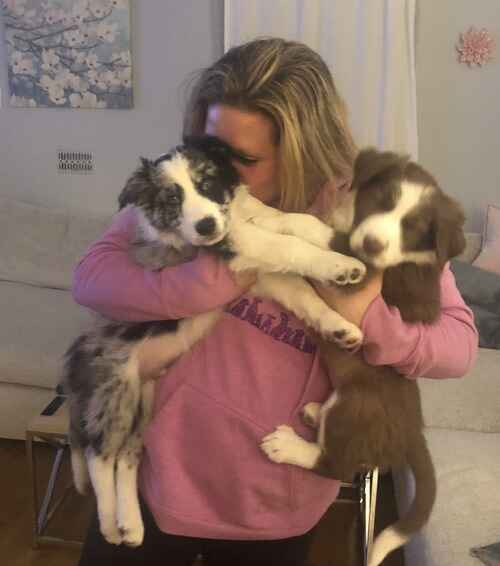
Positive reinforcement trainer, Kristie Halverson, training and snuggling with two border collie puppies in Phoenix, AZ.
Positive reinforcement trainer, Kristie Halverson, training and snuggling with two border collie puppies in Phoenix, AZ.
What is better than training one aussie puppy, how about two! Phoenix, AZ
What is better than training one aussie puppy, how about two! Phoenix, AZ
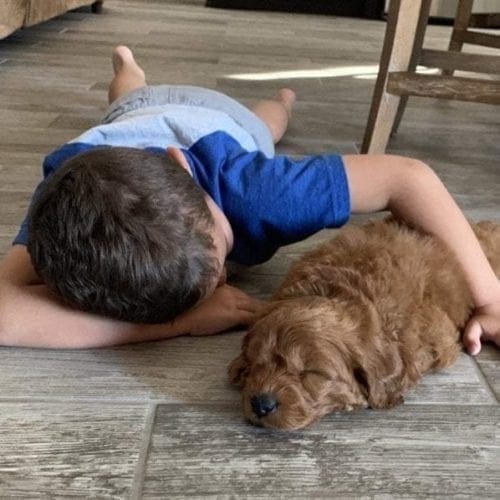
Nothing Cuter than a little boy sleeping with his new puppy
Nothing Cuter than a little boy sleeping with his new puppy
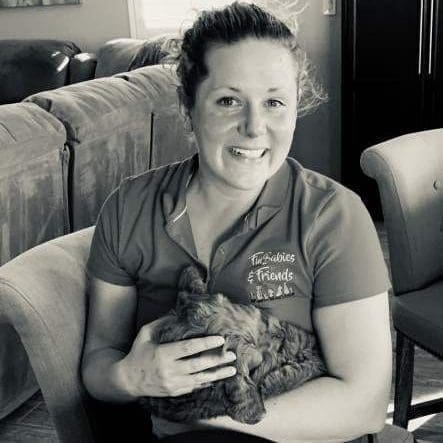
Trainer Kristie Halverson holding a new puppy that feel asleep during puppy training in Vistancia, AZ
Trainer Kristie Halverson holding a new puppy that feel asleep during puppy training in Vistancia, AZ
Child working with a puppy during a training session
Child working with a puppy during a training session
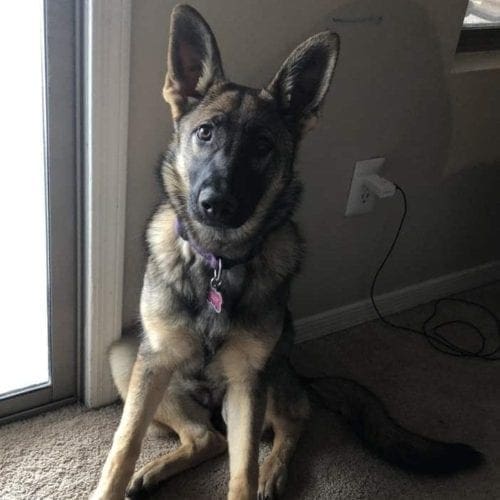
German Shepard Puppy Gertie during Puppy Kindergarten in Surprise, AZ
German Shepard Puppy Gertie during Puppy Kindergarten in Surprise, AZ
Koa the puppy waiting to get some treats during training at Artessa Apartments in Glendale, AZ
Koa the puppy waiting to get some treats during training at Artessa Apartments in Glendale, AZ
Dog Training Resources to Support Your Progress
Training does not stop when the session ends. FurBabies & Friends provides practical resources to help you keep learning, practicing, and building better habits with your dog at home.
Use these dog training resources for extra guidance between sessions, class practice, or while deciding which training option is right for your dog.
Watch Kristie’s Dog Training Videos
Kristie shares step-by-step dog training videos to help families review training concepts, practice at home, and better understand how dogs learn.
Topics may include puppy training, recall, stay, leash foundations, confidence building, and positive reinforcement training tips.
Learn How To Start Leash Training Your Dog or Puppy the RIGHT Way
Struggling with leash pulling or chaotic walks? This step-by-step leash training guide walks you through structure, engagement, and consistency using positive reinforcement.
Read Dog Training Articles
Explore helpful dog training and behavior articles covering puppy development, group classes, leash skills, force-free training, pack walks, enrichment, and real-life training strategies.
Here are a few dog training articles you may find interesting:
Tried, Tested, and Trainer-Approved Tools for Success
When it comes to choosing the right gear, the options can feel overwhelming. After more than 20 years as a dedicated dog mom, and 8 as a professional force free dog trainer, Kristie has personally tested hundreds of products. As a result, she’s created a trusted list of only the best dog training products that truly deliver results.
These recommendations include tools and supplies that make daily life easier, training more effective, and your dog happier overall.
Go-To Dog Training Tools from Kristie:
* High-value training treats for different learning levels * Puzzle toys and enrichment games for mental stimulation * Cleaning products that actually work for pet messes * Grooming tools that reduce stress for dogs and owners * Safe, effective walking tools to support leash training * Calming aids for anxious or nervous pups
So, if you want to train like a pro, these tools are Kristie-tested and pup-approved!
Even the best training sessions only go so far without consistency in your daily routine. While Kristie leads with expertise during appointments, the real transformation happens between visits. With the right mindset, your entire family can contribute to lasting success.
Daily Practice Makes the Difference
Every dog learns at their own pace. That’s why reward based dog training works best when paired with short, positive sessions at home.
To stay on track:
* Practice skills for a few minutes each day * Use clear, consistent cues * Reinforce good behavior with praise and treats * Avoid overloading your dog, keep sessions upbeat and fun
Small wins, celebrated consistently, lead to big results.
Dog Training Homework: What to Expect
After each session, Kristie will assign customized dog training homework based on your dog’s behavior goals. These exercises are designed to fit your schedule and support steady progress.
Some tips for success:
* Involve the whole family * Repeat commands in low-distraction environments first * Focus on one behavior at a time * Be patient, mastery takes repetition & consistency
Remember: dogs thrive on routine and encouragement. The more you engage, the more they’ll succeed.
Why Family Participation Matters
Training works best when everyone’s on the same page. When each family member uses the same cues, rewards, and boundaries, your dog learns faster and feels more secure.
Benefits of involving the whole household include:
* Faster progress through consistency * Stronger relationships between pets and people * Fewer mixed messages or behavior setbacks
Even supervised young children can take part in games and reward-based reinforcement, turning training into a family bonding experience.
Your Commitment to the Training Process
Creating lasting behavior change requires more than lessons, it takes patience, structure, and family-wide commitment. Kristie’s goal is to teach you how to motivate and understand your dog while helping them thrive in your unique home environment.
To get the most from your dog training program:
* Prioritize physical and mental exercise to reduce excess energy * Make schedule adjustments as needed to support consistent training * Stay honest about progress, setbacks, and where you need extra help * Dogs who receive regular attention, outlets for energy, and clear guidance tend to respond faster and retain skills longer.
Behavior Change Takes Time
While some skills click quickly, others take patience. Dogs, just like people, learn through practice and positive reinforcement. It’s okay to face setbacks. What matters most is that you keep showing up.
It's ok if you get frustrated, Kristie is here to guide, troubleshoot, and cheer you on every step of the way.
Struggling with leash pulling or chaotic walks? This step-by-step leash training guide walks you through structure, engagement, and consistency using positive reinforcement.
Unable to Assist with Dog to Dog or Dog to Human Aggression
Unfortunately, Kristie does not provide training for human or dog aggression cases. However, she’s happy to refer you to qualified behavior professionals when needed.
Frequently Asked Questions About Dog Training in Glendale, AZ
What dog training services do you offer in Glendale, AZ?
FurBabies & Friends offers positive reinforcement dog training in Glendale, AZ and surrounding Phoenix West Valley neighborhoods. Training options include private in-home dog training, virtual dog training, dog obedience classes, puppy training, leash and reactive dog training, day training, board and train, specialty dog training, and service dog foundation or therapy dog readiness support for appropriate dogs.
What is private in-home dog training?
Private in-home dog training is one-on-one coaching in your home or an approved real-life training location. These sessions are customized to your dog’s needs, your household routine, and your training goals. Private training may help with obedience, manners, jumping, recall, leash basics, confidence building, household behavior, new baby preparation, or other specific concerns.
How much does private dog training cost?
Private dog training starts with a 60-minute in-home evaluation for $75, with $50 credited toward future training if you move forward. Hourly private training is $130 per hour. Package options include 4 sessions for $450, 6 sessions for $675, 8 sessions for $900, and 12 sessions for $1,300. Virtual dog training is available for $100 per hour.
Do you offer virtual dog training?
Yes. Virtual dog training is available for $100 per hour and is held by video call. It can be a good fit for puppy questions, obedience coaching, household manners, management planning, training homework support, troubleshooting between in-person sessions, or families outside the regular in-person service area.
Do I need an evaluation before starting dog training?
Most new private training clients begin with a 60-minute in-home evaluation. During the evaluation, Kristie observes your dog’s behavior, discusses your goals, reviews your home routine, and recommends the best training path. Some group classes, events, or virtual coaching sessions may not require an in-home evaluation if your dog is already a good fit.
How do I choose between private dog training and group obedience classes?
Private dog training is usually best for dogs who need one-on-one support, customized coaching, household behavior help, or training in their home environment. Group obedience classes are best for dogs who are comfortable working around other dogs and people and are ready to learn in a structured class setting. If you are unsure, an evaluation can help determine the best fit.
What does force-free dog training mean?
Force-free dog training means teaching without fear, pain, intimidation, or punishment-based tools. FurBabies & Friends does not use shock collars, prong collars, choke chains, leash corrections, or dominance-based training methods.
Instead, training uses positive reinforcement, rewards, clear communication, structure, consistency, and trust to help dogs learn what to do. The goal is to build real-life skills while protecting your dog’s confidence and relationship with your family.
Can older dogs be trained?
Yes. Adult and senior dogs can learn new skills with positive reinforcement training. Training is adjusted based on your dog’s age, comfort, energy level, learning history, and physical ability. Older dogs may need a different pace than puppies or adolescents, but age alone does not prevent progress.
Do you help with leash pulling or leash reactivity?
Yes. FurBabies & Friends offers leash training and reactive dog training for dogs who pull, bark, lunge, freeze, or become overstimulated on walks. Dogs with leash-related challenges may be better suited for the dedicated Reactive Dog Training & Leash Training page, where those programs are explained in more detail.
Do you work with aggressive dogs?
FurBabies & Friends does not provide training for human aggression, severe dog-to-dog aggression, or high-risk bite cases. If your dog has a bite history, severe aggression, or safety concerns, Kristie may recommend a qualified behavior professional, veterinary behavior support, or a different training path before beginning services.