

March is recognized as Pet Poison Prevention Month, making it a perfect time for pet owners to review common household toxins and emergency preparedness. From common foods and medications to cleaning products and landscaping plants, toxic substances can be found in places most pet owners would never expect.
Pet poison prevention starts with awareness. Curious pets often explore their environment with their mouths. Meaning, substances that seem harmless to humans can quickly become serious health risks for dogs, cats, and other household pets. According to veterinary poison control experts, exposures to common household toxins occur thousands of times each year across the United States.
In this guide, we will walk through some of the most common household toxins for pets, including dangerous foods, medications, plants, and hidden hazards that can lead to poisoning. We will also cover Arizona specific risks, emergency steps every pet owner should know, and simple strategies to help protect your pets from accidental exposure.
For pet owners in the Phoenix and Glendale area, understanding these risks is especially important. Desert landscaping plants and local wildlife can introduce additional poisoning hazards. At FurBabies & Friends, safety and preparedness are central to the professional pet care we provide. Recognizing potential toxins and responding quickly if a pet becomes ill is what separates trained pet sitters from friends or neighbors.
ASPCA Animal Poison Control Center
888-426-4435
Pet Poison Helpline
855-764-7661
Pet poison prevention plays a critical role in responsible pet ownership. Every year, thousands of pets suffer accidental poisoning inside their own homes. According to the ASPCA Animal Poison Control Center, poison exposure cases occur hundreds of thousands of times each year. Many of these incidents involve everyday household items.
Pets often encounter toxic substances while exploring their environment. Dogs may counter surf, chew objects, or eat dropped food. Cats may groom residue from chemicals or plants on their fur.
The Pet Poison Helpline reports that human medications remain the most common poisoning source for pets. Foods, cleaning products, and toxic plants also cause frequent emergencies.
Even small amounts of certain toxins can cause severe illness. Xylitol can cause rapid blood sugar drops in dogs. Sago palm can lead to liver failure. Some medications damage the kidneys or nervous system. Fortunately, many poisoning incidents are preventable. Pet owners who understand common toxins can reduce risk at home. Preparation also matters. Knowing emergency resources and recognizing symptoms can help pet owners act quickly.
Common household toxins for pets include certain foods, medications, cleaning products, plants, and chemicals. Dogs, cats, and other pets may encounter these substances during normal daily activities inside the home.
Many poisoning incidents happen when pets ingest food scraps, chew household items, or access medications left within reach. Even products used for routine cleaning or pest control can pose risks. Understanding which substances are dangerous helps pet owners reduce accidental exposure. The most common toxin categories include toxic foods, human medications, and household chemicals.
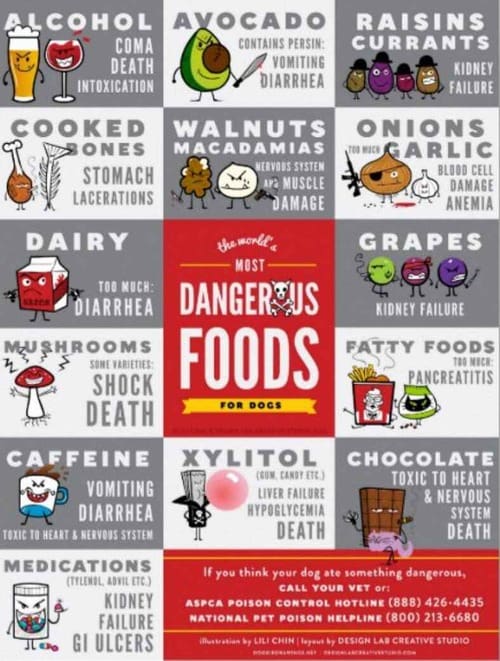
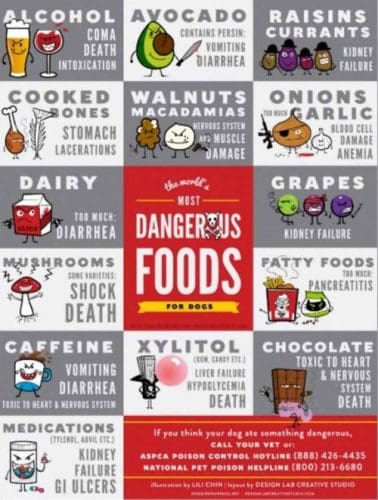
Many foods that are safe for people can be extremely dangerous for dogs. The infographic below highlights several of the most common food poisoning risks found in everyday homes.
Human medications are one of the most common causes of pet poisoning. Many drugs that help people can cause serious illness in animals. Both the ASPCA Animal Poison Control Center and Pet Poison Helpline report that human medications remain one of the leading causes of pet poisoning emergencies.
Pets often ingest medications accidentally. A dropped pill, open purse, or unsecured bottle can quickly become dangerous. Dogs may chew containers or eat pills that fall on the floor. Cats may ingest medications through residue on surfaces or accidental exposure.
Veterinarians frequently warn pet owners about several medications that cause serious poisoning risks due to the high volume of emergency pet poisoning incidents.
Even small amounts of these medications can cause severe health problems. Symptoms may include vomiting, tremors, organ damage, or neurological issues. Pet owners should always store medications in secure cabinets or containers. Never leave pills or pill bottles where pets can reach them.
Several common cleaning products can pose poisoning risks for pets. Dogs and cats often encounter these chemicals inside the home during normal daily activity. The Pet Poison Helpline reports common household cleaners and chemicals are among the frequently reported poisoning hazards affecting pets.
Products designed for cleaning or disinfecting often contain ingredients that irritate the digestive system, skin, or respiratory tract. Pets may encounter these chemicals by licking surfaces, chewing containers, or drinking contaminated water.
Common household chemical hazards include:
• bleach
• toilet bowl cleaners
• disinfectant sprays
• drain cleaners
• antifreeze
• rodenticides and pest control products
Cats face a higher risk from some cleaning products. After walking across treated surfaces, they may ingest toxins while grooming their paws or fur.
Pet owners should always keep cleaning supplies secured in cabinets. Allow treated surfaces to dry fully before allowing pets back into the area. Proper storage and careful cleaning routines can significantly reduce the risk of accidental exposure.
Not all pet poisoning risks come from obvious sources like food or medications. Some household items can become dangerous simply because pets chew, lick, or swallow them during normal exploration.
Small objects can cause poisoning, chemical exposure, or serious internal injuries.
Button batteries are a major hidden hazard. These small batteries are found in watches, key fobs, toys, and remote controls. If swallowed, they can cause severe burns inside the digestive tract.
Essential oils and diffusers can also pose risks for pets. Some oils may irritate the skin or cause illness if ingested. Pets may also inhale concentrated vapors from diffusers placed at floor level causing respiratory distress. Cats are particularly sensitive because their liver lacks certain enzymes needed to break down compounds found in essential oils.
Essential oils known to be toxic or potentially toxic to pets include:
• tea tree oil (melaleuca)
• eucalyptus
• peppermint
• cinnamon
• citrus oils
• clove
• wintergreen
• pine
• ylang ylang
• pennyroyal
Exposure to these oils may cause symptoms such as drooling, vomiting, tremors, weakness, or difficulty breathing. Pet owners should use essential oils cautiously around animals. Keep oils stored securely and avoid applying them directly to pets unless directed by a veterinarian.
Glow sticks and glow jewelry contain chemicals that can cause drooling, mouth irritation, and stomach upset if chewed.
Rubber bands, dental floss, and string may seem harmless but can cause serious intestinal blockages if swallowed.
Even mop buckets or toilet water containing cleaning chemicals can expose pets to toxins if they drink from them.
Pet owners should keep small objects secured and store household products safely. Monitoring pets during play and exploration can help prevent accidental exposure to these hidden hazards.
Pet owners in Arizona face additional poisoning risks that may not appear in other parts of the country. Desert landscaping plants and native wildlife can introduce hazards that many new pet owners do not expect. Several plants commonly used in Arizona landscaping are highly toxic to dogs and cats. Certain desert animals can also expose pets to dangerous toxins. Understanding these regional risks helps pet owners prevent emergencies and recognize symptoms quickly.
The sago palm is extremely toxic to dogs and is responsible for many serious poisoning cases each year.
Despite its name, it is not a true palm. It belongs to a group of plants called cycads. This plant is commonly used in landscaping and decorative pots throughout Arizona.
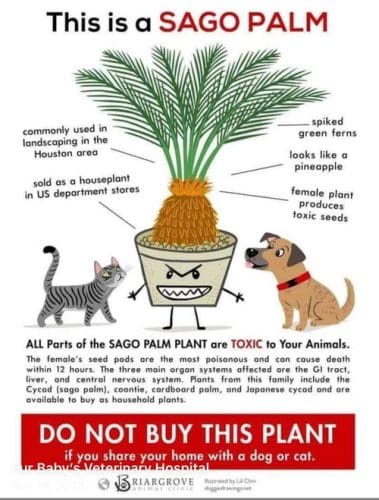
All parts of the sago palm are toxic. The seeds contain the highest concentration of toxins. Even small amounts can cause severe poisoning in dogs. In fact, the sago palm is one of the most dangerous plants for dogs. Poisoning symptoms may include vomiting, lethargy, seizures, and liver failure.
According to the ASPCA Animal Poison Control Center, sago palm ingestion can lead to life-threatening liver damage in pets. Pet owners should remove sago palms from areas accessible to pets whenever possible.
While beautiful, the oleander is another toxic plant commonly found in Arizona landscaping. The plant produces attractive flowers but contains powerful cardiac toxins. Dogs and cats may become ill after chewing leaves, flowers, or stems.
Symptoms of oleander poisoning may include drooling, vomiting, abnormal heart rhythms, and weakness. Because this plant is widely used in landscaping across Arizona, pet owners should monitor pets closely when walking near planted areas and definitely remove any in the yard.
The Sonoran Desert toad, also called the Colorado River toad, presents another serious risk for pets in Arizona. These large toads release toxins through glands on their skin when threatened.
Dogs often encounter these toads during evening or nighttime outdoor activity. When a dog mouths the toad, toxins can absorb quickly through the gums. Symptoms may include drooling, shaking, seizures, and difficulty breathing. Immediate veterinary care is critical if exposure occurs.
Pet owners should supervise pets outdoors during warm evenings when these toads are most active.
Pet poisoning emergencies can happen quickly. Acting fast can make a critical difference in your pet’s outcome.
Common signs of poisoning may include vomiting, drooling, tremors, weakness, seizures, or difficulty breathing. Some pets may also show sudden lethargy or loss of coordination. If you suspect your pet has ingested something toxic, contact a veterinarian immediately. Do not wait for symptoms to worsen before seeking help.
Pet owners can also contact the ASPCA Animal Poison Control Center or the Pet Poison Helpline for emergency guidance.
ASPCA Animal Poison Control Center
888-426-4435
Pet Poison Helpline
855-764-7661
These services provide 24-hour assistance from veterinary toxicology experts. If possible, gather helpful information before calling. This may include the product name, ingredients, packaging, or an estimate of how much your pet may have ingested.
Pet owners should never induce vomiting or give medications without veterinary guidance. Some substances can cause additional damage if vomiting occurs. Quick action and professional guidance give pets the best chance for a safe recovery.
Activated charcoal is sometimes used in veterinary medicine to help limit toxin absorption after a pet ingests something harmful. Activated charcoal works by binding to certain toxins in the stomach and intestines. This process can slow or reduce the amount of poison that enters the bloodstream.
Veterinarians commonly use activated charcoal in clinical settings after confirmed toxin ingestion. However, it is not appropriate for every poisoning situation.
Some toxins do not bind well to charcoal. In other cases, giving charcoal may worsen the situation, especially if a pet is vomiting, having seizures, or struggling to swallow safely.
Because of these risks, pet owners should never administer activated charcoal without veterinary guidance. If a veterinarian or pet poison hotline recommends charcoal, it may help buy valuable time while your pet receives proper medical care.
For households with pets, it can be helpful to know where activated charcoal products are available. However, the safest approach is always to contact a veterinarian or pet poison expert first before giving any treatment at home. Quick guidance from a professional ensures the right treatment is used for the specific toxin involved.
Experienced pet care professionals plan for emergencies before they ever happen.
At FurBabies & Friends, we take several steps to ensure pets receive fast medical care if something unexpected occurs. One of the most important safeguards is a veterinary authorization form. Many veterinary clinics cannot treat a pet without owner approval. This can delay care if a sitter, neighbor, or friend brings a pet in during an emergency.
Before services begin, our clients complete a veterinary release form that allows our team to authorize treatment if necessary. This ensures a veterinarian can act quickly if a poisoning or medical emergency occurs.
We also collect detailed information about each pet, including:
• primary veterinarian contact information
• preferred emergency veterinary clinic
• known allergies or medical conditions
• medications and dosing instructions
This preparation allows our team to respond quickly if a pet becomes sick or is exposed to a toxin.
Professional pet sitters are also trained to recognize early warning signs of poisoning. Subtle symptoms such as excessive drooling, unusual lethargy, vomiting, or sudden behavioral changes can signal that something is wrong. When pet care providers are prepared and informed, pets receive faster care and better outcomes.
Preventing poisoning starts with making your home safer for curious pets. Many toxin exposures happen when pets explore everyday household items left within reach.
A few simple habits can greatly reduce these risks.
Human medications are one of the most common causes of pet poisoning. Even a single pill can cause serious harm to dogs and cats. Always store medications in closed cabinets or containers. Avoid leaving pills on counters, bedside tables, or in purses where pets may investigate.
Foods such as chocolate, grapes, raisins, xylitol sweeteners, onions, and alcohol can be dangerous for pets. Store food securely and remind family members and guests not to share table scraps with pets.
Cleaning products, automotive fluids, and pest control products can all pose risks to pets. Keep these products locked away or stored in cabinets that pets cannot access. When using cleaners, allow surfaces to fully dry before pets return to the area.
Some essential oils can be toxic to pets, especially cats. Oils such as tea tree, eucalyptus, peppermint, clove, cinnamon, and wintergreen can cause poisoning if ingested or heavily diffused.
If you use essential oils at home, research pet-safe options and avoid applying oils directly to pets unless directed by a veterinarian.
Many popular plants can be toxic to pets. In Arizona landscapes, plants like sago palm and oleander pose serious risks. Before adding new plants to your yard or home, check whether they are safe for pets.
Pet poisoning is one of the most common emergency situations veterinarians see each year. The good news is that many of these incidents are preventable. Understanding common toxins, storing hazardous items safely, and recognizing early warning signs can significantly reduce the risk of poisoning.
Pet owners should also keep important emergency numbers readily available and contact a veterinarian immediately if exposure is suspected. Acting quickly can make a critical difference in your pet’s recovery.
For households with busy schedules or travel plans, professional pet care adds another layer of protection. Experienced pet sitters know how to identify potential hazards and recognize early symptoms of poisoning.
At FurBabies & Friends, we prioritize pet safety by gathering emergency veterinary information, maintaining veterinary authorization forms, and closely monitoring pets during each visit. These precautions allow our team to act quickly if a health emergency ever occurs.
When pet owners stay informed and prepared, they can create a safer environment where their pets can thrive.
The most common causes of pet poisoning include human medications, toxic foods, household cleaning products, pesticides, toxic plants, and certain essential oils.
According to the ASPCA Animal Poison Control Center, human medications are one of the leading sources of pet poisoning incidents each year. Even small doses can cause serious health problems for dogs and cats.
Keeping medications, chemicals, and toxic foods stored securely can greatly reduce these risks.
If you believe your pet has ingested something toxic, contact a veterinarian immediately.
Pet owners can also call the ASPCA Animal Poison Control Center at 888-426-4435 or the Pet Poison Helpline at 855-764-7661 for emergency guidance.
Avoid inducing vomiting or giving home treatments unless a veterinary professional specifically instructs you to do so. Quick action gives pets the best chance of recovery.
Symptoms of poisoning can appear within minutes or may take several hours depending on the toxin involved.
Common warning signs include vomiting, excessive drooling, tremors, weakness, seizures, loss of coordination, and unusual lethargy. Any sudden or unexplained symptoms should be treated as a potential medical emergency.
Some essential oils can be harmful to pets, especially cats. Oils such as tea tree, eucalyptus, peppermint, wintergreen, cinnamon, clove, and pine can cause poisoning if ingested or heavily diffused in enclosed spaces.
Pet owners should research pet-safe products and avoid applying essential oils directly to pets unless directed by a veterinarian.
Several common landscaping plants in Arizona are toxic to pets. Two of the most dangerous include sago palm and oleander. Even small amounts of these plants can cause severe illness. Sago palm ingestion can lead to liver failure in dogs and cats.
Pet owners should research plants carefully before adding them to their yard or home.
Professional pet sitters often use veterinary authorization forms that allow them to seek medical care if a pet becomes sick or injured while the owner is away. Without this authorization, many veterinary clinics cannot legally treat a pet brought in by someone other than the owner.
This is one reason many pet owners choose experienced pet care providers who prepare for emergencies in advance.
Follow along on TikTok, Instagram and Facebook @furbabiesandfriendsaz for upcoming walks, events, and training tips.