
How to Potty Train a Puppy When You Work Full-Time
You take your puppy out before work, get everyone out the door, and spend half the morning wondering how things are going at home. Will your puppy make it until lunch? What if they cry the whole time? And if you come home to another mess in the pen or crate, what should you change tomorrow?
Start by looking at the gaps in your puppy’s day. When do they usually need to go out? How long can they rest comfortably while you’re away? Once you know where the schedule gets difficult, you can decide whether to come home at lunch, ask someone to help, or schedule a puppy sitter.
What should a workday potty training schedule look like?
The easiest schedule to build from is the one your puppy already follows when you’re home. For a day or two, write down when your puppy wakes up, eats, plays, naps, and goes potty. If you’ve been finding accidents at about the same point in the day, that’s a good place to look for a gap.
| PART OF THE DAY | WHAT TO PLAN |
|---|---|
| Before Work | Offer a potty break after waking and another before you leave. Pay attention to what your puppy usually needs after breakfast or morning play. |
| While You're At Work | Arrange a check-in around when your puppy typically needs to go. If one visit leaves a long stretch before or after it, consider whether another break would fit better. |
| When You Get Home | Take your puppy to their potty spot before getting caught up in greetings, dinner, or the rest of the evening routine. |
A very young puppy and an older puppy who already settles comfortably may need different plans. Use your puppy’s actual pattern to decide when to schedule help. Take your puppy to the same potty spot and reward them as soon as they finish, while you’re still there. Ask anyone who covers a break to follow the same routine. VCA’s guide to house training
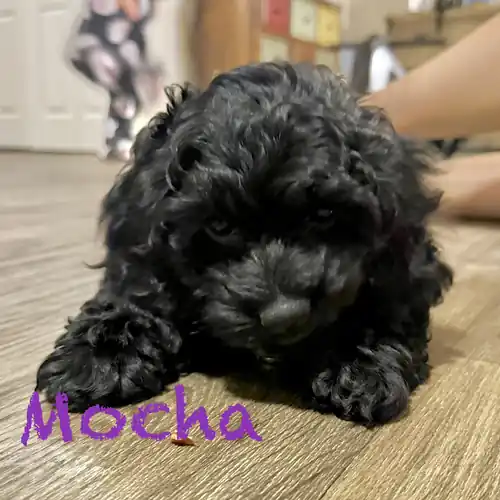
Mocha's potty training was going well, then her routine changed.
For about a month, our FurBabies & Friends team had been visiting Mocha, a young Maltipoo, while her parents were at work and the kids were at school. We were seeing fewer accidents as she settled into a routine. Once Mocha had finished her puppy vaccinations, we started taking her out to potty at her apartment complex.
Then her family needed to head up north, and Mocha went with them. The place was different, and so was her schedule. When we returned for her visits, she was having more accidents again. One visit came with a pretty big cleanup.
If your puppy has a setback after travel or a change at home, go back to the routine that was working. That might mean more potty opportunities for a while, closer supervision when you’re home, and a reward right after your puppy goes in the right spot. In an apartment, it also helps to tell your sitter exactly where you take your puppy. The route and the spot may be familiar to your puppy even when the person taking them out is different.
Why does my puppy keep peeing and pooping in the crate or pen?
Start with what happened before the accident. Had your puppy recently eaten, woken up, or played? Did they actually go on the last potty trip? Does the mess usually happen before the sitter arrives? If you keep finding it at the same point in the day, try moving the break earlier and see what changes.
Then clean the spot thoroughly. A rug, pen mat, or piece of crate bedding can look clean and still carry an odor that draws your puppy back. Use a pet enzymatic cleaner labeled for the surface and follow the directions. If the accident already happened, quietly clean up and adjust the plan for next time. If accidents suddenly increase or keep happening despite a workable schedule, check with your veterinarian. VCA on house training and cleanup · VCA on house soiling
This is one of the practical benefits of a workday visit. If we find an accident, we can clean it up, give your puppy a chance to go in the right spot, and tell you what happened. Knowing whether your puppy went during the visit or had already had an accident can help you decide what to change.
What if my puppy won't stop crying in the crate when I leave?
A short camera recording can give you details you’d miss on the way out the door. Does your puppy settle after you leave? Do they cry behind the pen gate even when you’re still in the room? Do they rest in the pen while you’re home but become distressed as soon as you leave? Those are different patterns and can call for different kinds of help.
If your puppy is barking or crying persistently, clawing at the crate, trying to escape, or chewing at a gate, take that seriously when you plan their next stretch alone. The setup itself may be difficult for them, or the distress may be tied to your departure. A sitter can cover a gap in the day and tell you what they see. For recurring distress or escape attempts, talk with your veterinarian and a qualified behavior professional about a plan for gradual practice. VCA on crate training and confinement · VCA on separation-related behavior
Should I hire a puppy sitter or leave my puppy home alone?
A puppy who has had a potty break and can relax comfortably may do well with a planned stretch of alone time. It gives them a chance to rest and practice being comfortable on their own. A sitter makes more sense when the time you’ll be gone stretches beyond what your puppy can comfortably manage or when there’s something they need you to arrange during the day.
| OPTION | WHEN IT CAN WORK | WHAT TO WEIGH |
|---|---|---|
| Planned Alone Time | Your puppy can settle in a safe setup and the gap between potty breaks is manageable. | Check how your puppy is actually doing. A camera can show you what’s happening, but it can’t take your puppy out or clean up an accident. |
| A Short Potty Visit | Your puppy mostly needs a bathroom break, fresh water, and a check-in. | Timing matters. A visit that comes after the usual accident may need to move earlier. |
| A Longer Drop-In or More Than One Visit | Your puppy also needs a meal, supervised play or enrichment, cleanup, or more frequent potty opportunities. | A longer visit gives the sitter time to do more. If the problem is the length of the gaps on either side, a second check-in may fit better. |
A good visit can give your puppy a chance to sniff, play, practice a familiar cue, or spend a little time with someone before settling back down. What that looks like depends on the puppy. One may be ready for a little play after going potty. Another may do better with a quiet check-in and a chance to rest. The visit should fit the routine you’re building at home.
Need help with daytime puppy care in Glendale or the Phoenix West Valley?
Tell us when you leave, when you get home, and what your puppy’s potty routine looks like right now. If you’re finding accidents at a certain time or your puppy is having trouble settling, tell us that too. We can talk through whether a short puppy potty break or another visit option makes sense for your workday.
Frequently Asked Questions About Workday Puppy Visits
Yes. Show us where you take your puppy, which door you use, and what cue or reward your puppy already knows. If your puppy uses a designated indoor potty spot, tell us where it is and how you guide them there. The more familiar the routine feels, the easier it is for your puppy to practice it with someone else.
Put the leash or harness, waste bags, approved treats, and pet-safe cleanup supplies in one easy-to-find spot. Tell your sitter where your puppy should rest after the visit and which toys or activities you’ve approved. If you can, leave a quick note about when your puppy last ate and went potty. That helps the sitter pick up where you left off.
It helps to know whether your puppy peed, pooped, or came back in without going. That way, whoever checks on them next can decide when to offer another break. If your puppy regularly skips the potty opportunity, look at the timing and the location. A busy spot or an unfamiliar route may make it harder for them to settle long enough to go.
Describe what you’ve seen and when it happens. For example, does your puppy paw at the crate door as soon as it closes, or do they settle until you leave? Tell the sitter what setup your puppy is comfortable in and what you’d like them to report. That gives everyone a clearer picture of how your puppy is coping between visits.
Follow FurBabies & Friends on TikTok, Instagram, Facebook, and YouTube at @furbabiesandfriendsaz for training tips, pet care education, and local event updates.