
You take your puppy out before work, get everyone out the door, and spend half the morning wondering how things are going at home. Will your puppy make it until lunch? What if they cry the whole time? And if you come home to another mess in the pen or crate, what should you change tomorrow?
Start by looking at the gaps in your puppy’s day. When do they usually need to go out? How long can they rest comfortably while you’re away? Once you know where the schedule gets difficult, you can decide whether to come home at lunch, ask someone to help, or schedule a puppy sitter.
What should a workday potty training schedule look like?
The easiest schedule to build from is the one your puppy already follows when you’re home. For a day or two, write down when your puppy wakes up, eats, plays, naps, and goes potty. If you’ve been finding accidents at about the same point in the day, that’s a good place to look for a gap.
| PART OF THE DAY | WHAT TO PLAN |
|---|---|
| Before Work | Offer a potty break after waking and another before you leave. Pay attention to what your puppy usually needs after breakfast or morning play. |
| While You're At Work | Arrange a check-in around when your puppy typically needs to go. If one visit leaves a long stretch before or after it, consider whether another break would fit better. |
| When You Get Home | Take your puppy to their potty spot before getting caught up in greetings, dinner, or the rest of the evening routine. |
A very young puppy and an older puppy who already settles comfortably may need different plans. Use your puppy’s actual pattern to decide when to schedule help. Take your puppy to the same potty spot and reward them as soon as they finish, while you’re still there. Ask anyone who covers a break to follow the same routine. VCA’s guide to house training
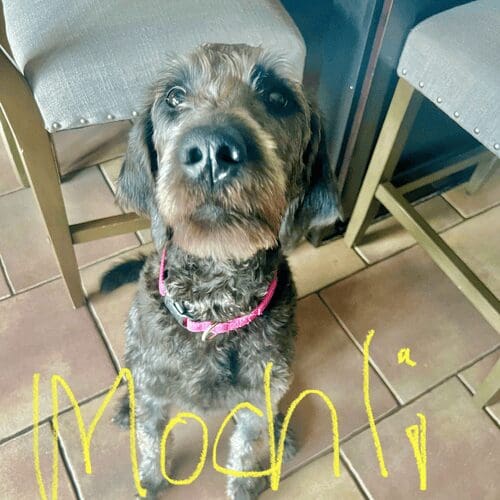
Mocha's potty training was going well, then her routine changed.
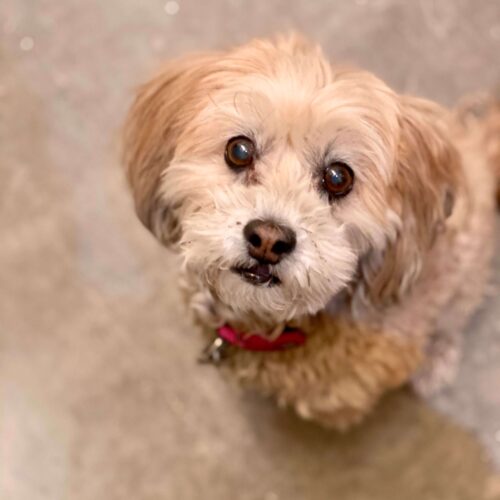
For about a month, our FurBabies & Friends team had been visiting Mocha, a young Maltipoo, while her parents were at work and the kids were at school. We were seeing fewer accidents as she settled into a routine. Once Mocha had finished her puppy vaccinations, we started taking her out to potty at her apartment complex.
Then her family needed to head up north, and Mocha went with them. The place was different, and so was her schedule. When we returned for her visits, she was having more accidents again. One visit came with a pretty big cleanup.

If your puppy has a setback after travel or a change at home, go back to the routine that was working. That might mean more potty opportunities for a while, closer supervision when you’re home, and a reward right after your puppy goes in the right spot. In an apartment, it also helps to tell your sitter exactly where you take your puppy. The route and the spot may be familiar to your puppy even when the person taking them out is different.
Why does my puppy keep peeing and pooping in the crate or pen?
Start with what happened before the accident. Had your puppy recently eaten, woken up, or played? Did they actually go on the last potty trip? Does the mess usually happen before the sitter arrives? If you keep finding it at the same point in the day, try moving the break earlier and see what changes.
Then clean the spot thoroughly. A rug, pen mat, or piece of crate bedding can look clean and still carry an odor that draws your puppy back. Use a pet enzymatic cleaner labeled for the surface and follow the directions. If the accident already happened, quietly clean up and adjust the plan for next time. If accidents suddenly increase or keep happening despite a workable schedule, check with your veterinarian. VCA on house training and cleanup · VCA on house soiling
This is one of the practical benefits of a workday visit. If we find an accident, we can clean it up, give your puppy a chance to go in the right spot, and tell you what happened. Knowing whether your puppy went during the visit or had already had an accident can help you decide what to change.
What if my puppy won't stop crying in the crate when I leave?
A short camera recording can give you details you’d miss on the way out the door. Does your puppy settle after you leave? Do they cry behind the pen gate even when you’re still in the room? Do they rest in the pen while you’re home but become distressed as soon as you leave? Those are different patterns and can call for different kinds of help.
If your puppy is barking or crying persistently, clawing at the crate, trying to escape, or chewing at a gate, take that seriously when you plan their next stretch alone. The setup itself may be difficult for them, or the distress may be tied to your departure. A sitter can cover a gap in the day and tell you what they see. For recurring distress or escape attempts, talk with your veterinarian and a qualified behavior professional about a plan for gradual practice. VCA on crate training and confinement · VCA on separation-related behavior
Should I hire a puppy sitter or leave my puppy home alone?
A puppy who has had a potty break and can relax comfortably may do well with a planned stretch of alone time. It gives them a chance to rest and practice being comfortable on their own. A sitter makes more sense when the time you’ll be gone stretches beyond what your puppy can comfortably manage or when there’s something they need you to arrange during the day.
| OPTION | WHEN IT CAN WORK | WHAT TO WEIGH |
|---|---|---|
| Planned Alone Time | Your puppy can settle in a safe setup and the gap between potty breaks is manageable. | Check how your puppy is actually doing. A camera can show you what’s happening, but it can’t take your puppy out or clean up an accident. |
| A Short Potty Visit | Your puppy mostly needs a bathroom break, fresh water, and a check-in. | Timing matters. A visit that comes after the usual accident may need to move earlier. |
| A Longer Drop-In or More Than One Visit | Your puppy also needs a meal, supervised play or enrichment, cleanup, or more frequent potty opportunities. | A longer visit gives the sitter time to do more. If the problem is the length of the gaps on either side, a second check-in may fit better. |
A good visit can give your puppy a chance to sniff, play, practice a familiar cue, or spend a little time with someone before settling back down. What that looks like depends on the puppy. One may be ready for a little play after going potty. Another may do better with a quiet check-in and a chance to rest. The visit should fit the routine you’re building at home.
Need help with daytime puppy care in Glendale or the Phoenix West Valley?
Tell us when you leave, when you get home, and what your puppy’s potty routine looks like right now. If you’re finding accidents at a certain time or your puppy is having trouble settling, tell us that too. We can talk through whether a short puppy potty break or another visit option makes sense for your workday.
Frequently Asked Questions About Workday Puppy Visits
Yes. Show us where you take your puppy, which door you use, and what cue or reward your puppy already knows. If your puppy uses a designated indoor potty spot, tell us where it is and how you guide them there. The more familiar the routine feels, the easier it is for your puppy to practice it with someone else.
Put the leash or harness, waste bags, approved treats, and pet-safe cleanup supplies in one easy-to-find spot. Tell your sitter where your puppy should rest after the visit and which toys or activities you’ve approved. If you can, leave a quick note about when your puppy last ate and went potty. That helps the sitter pick up where you left off.
It helps to know whether your puppy peed, pooped, or came back in without going. That way, whoever checks on them next can decide when to offer another break. If your puppy regularly skips the potty opportunity, look at the timing and the location. A busy spot or an unfamiliar route may make it harder for them to settle long enough to go.
Describe what you’ve seen and when it happens. For example, does your puppy paw at the crate door as soon as it closes, or do they settle until you leave? Tell the sitter what setup your puppy is comfortable in and what you’d like them to report. That gives everyone a clearer picture of how your puppy is coping between visits.
Follow FurBabies & Friends on TikTok, Instagram, Facebook, and YouTube at @furbabiesandfriendsaz for training tips, pet care education, and local event updates.
Many pet owners assume leaving extra food out and checking on their pets every few days is enough. In reality, that approach can create serious risks for both pets and homes, especially in Arizona where extreme heat can quickly turn small problems into emergencies.
How often a pet sitter should visit depends on the type of pet you have, their daily routine, and how long they can safely be left alone. Dogs, cats, and other household pets all have different care needs.
At FurBabies & Friends, we care for pets throughout Glendale and the Phoenix West Valley. Based on years of professional pet care experience, this guide explains how often pets should be checked on while their families are away.
Quick Guide: Recommended Pet Sitting Visit Frequency
| Pet Type | Recommended Visit Schedule |
|---|---|
| Dogs (No Doggie Door) | Minimum 3 Visits Per Day |
| Dogs (Doggie Door) | Minimum 2 Visits Per Day |
| Cats | Minimum 1 Visit Every Other Day |
| Other Household Pets | Usually Daily Visits Based on Care Needs |
These recommendations help ensure pets receive consistent care while also allowing a sitter to monitor both the animals and the home environment.
How Often Should a Dog Be Visited by a Pet Sitter?
Dogs typically require the most frequent visits while their families are away. Unlike cats or small animals, dogs depend on people for bathroom breaks, meals, exercise, and companionship.
For most adult dogs, we recommend at least three visits per day if the dog does not have access to a doggie door.
A typical schedule might include:
Morning visit
Potty break, breakfast, and a short walk or play session.
Midday visit
Another bathroom break and some enrichment or exercise.
Evening visit
Dinner, another potty break, and time for companionship.
This type of schedule helps keep dogs comfortable and prevents them from having to hold their bladder for long periods of time.
According to guidance from the American Kennel Club, most adult dogs should have the opportunity to relieve themselves every six to eight hours. Puppies, senior dogs, and dogs with medical conditions often require more frequent breaks.
Leaving a dog alone too long can lead to several problems, including:
• accidents inside the home
• bladder discomfort
• anxiety or stress
• destructive behavior caused by boredom
Regular visits also allow a pet sitter to monitor the dog’s health and behavior. Changes in appetite, energy level, or mobility are often early signs that something may be wrong.
At FurBabies & Friends, we have found that maintaining a consistent routine is one of the best ways to keep dogs relaxed while their families travel. When dogs know that someone will arrive throughout the day for meals, walks, and attention, they tend to settle into that routine more comfortably.
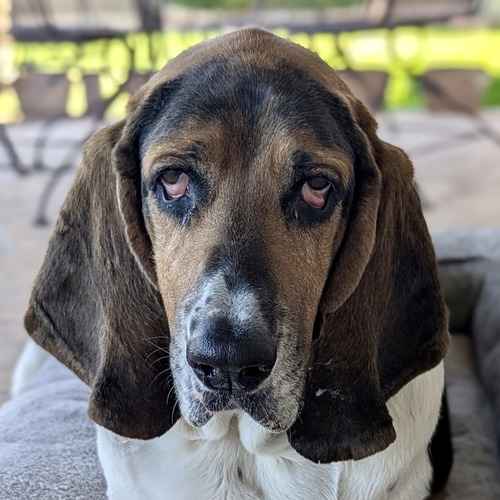
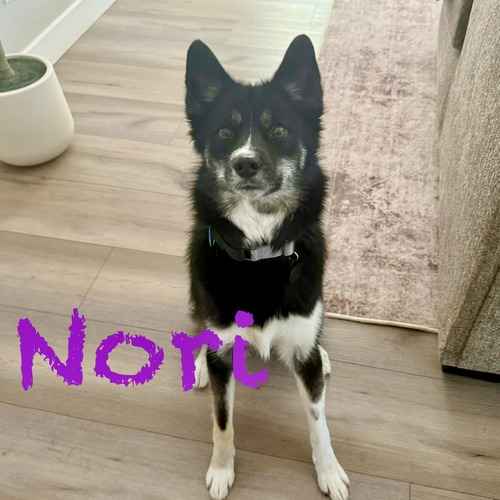
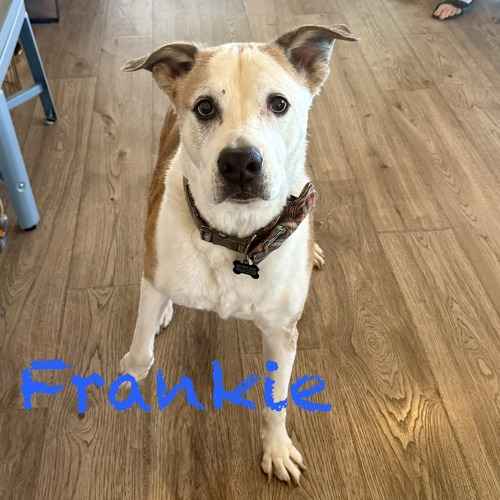
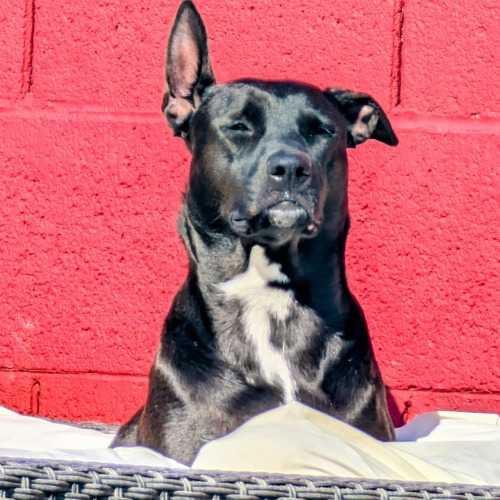
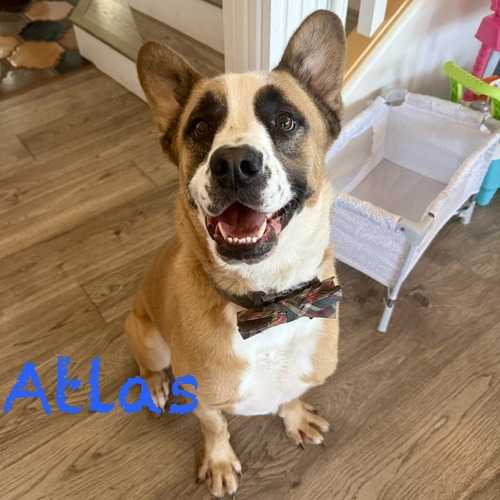
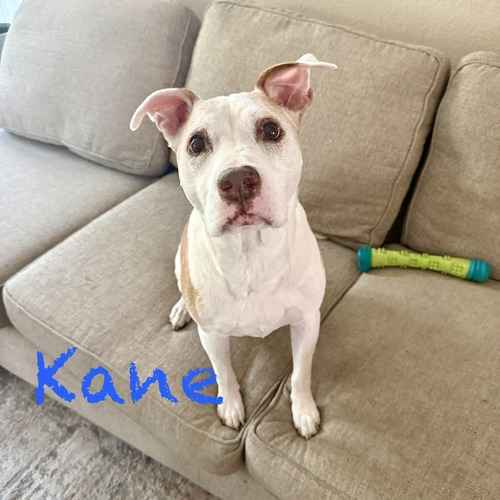
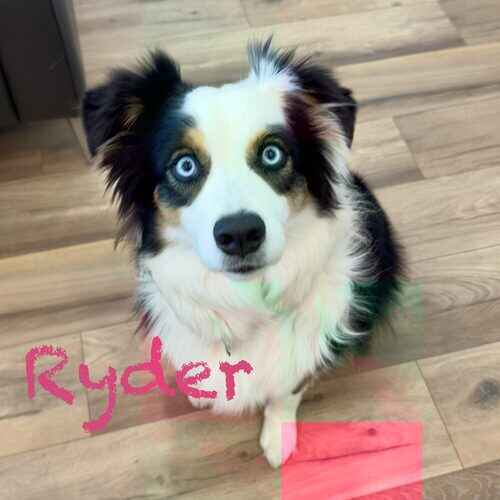
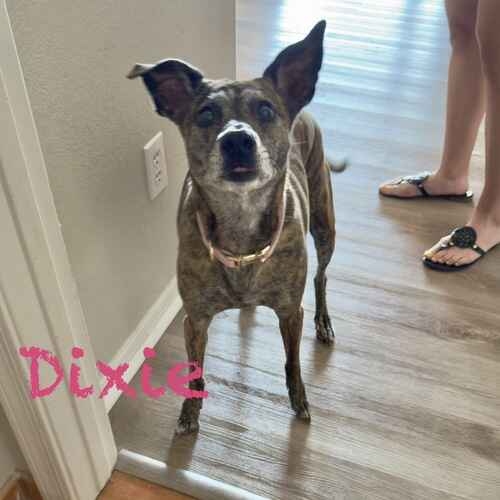
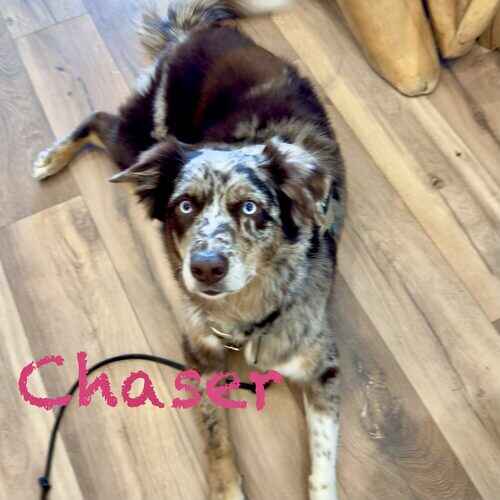
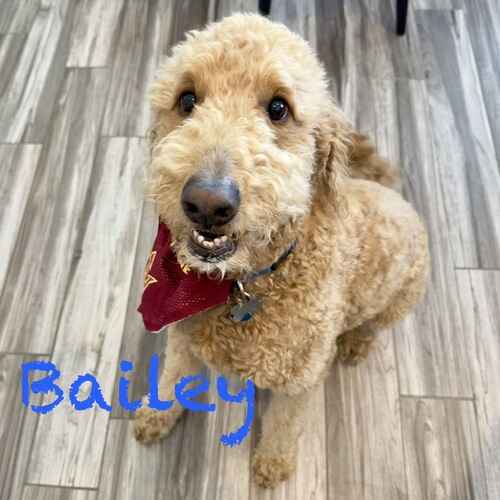
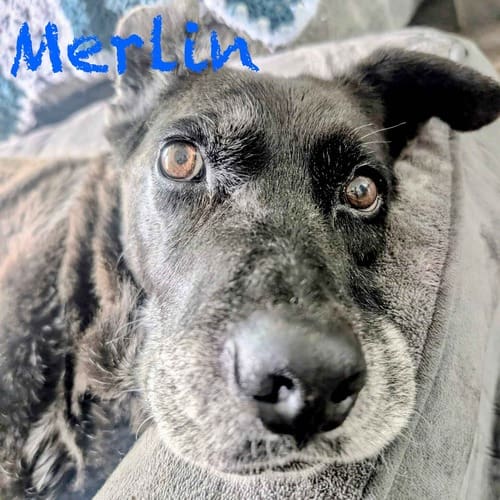
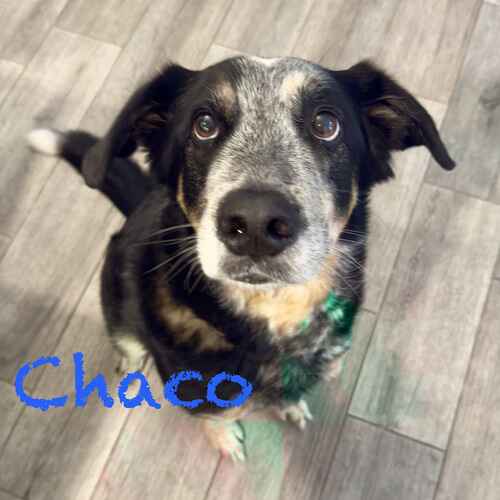
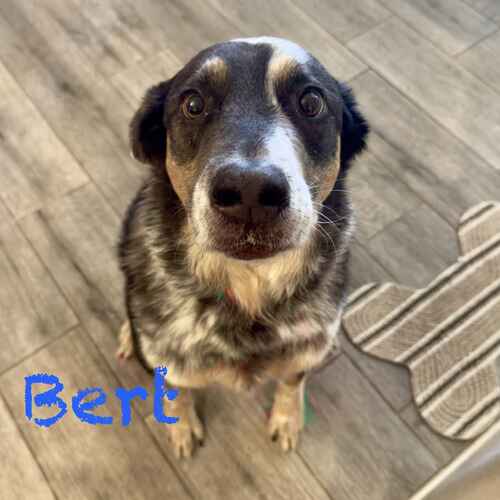
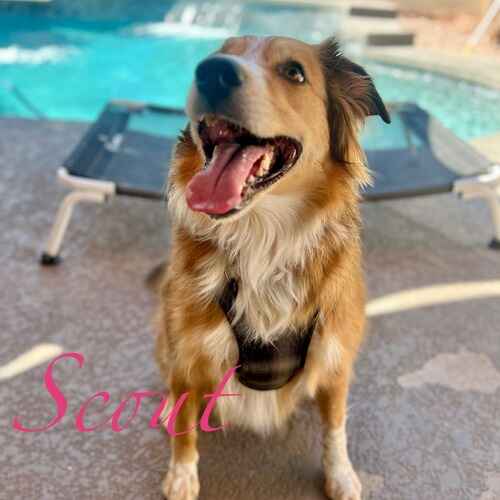
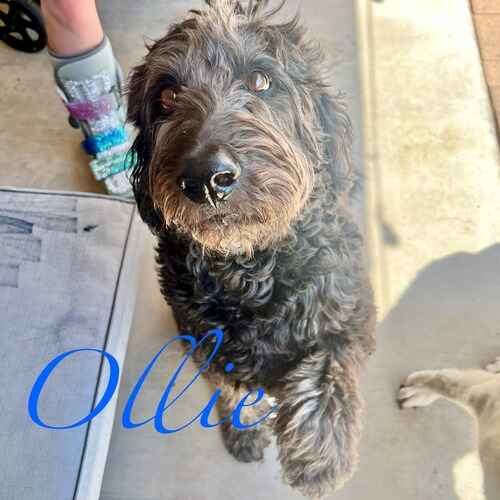
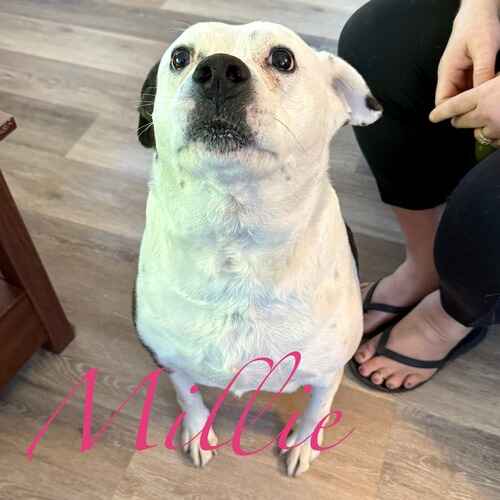
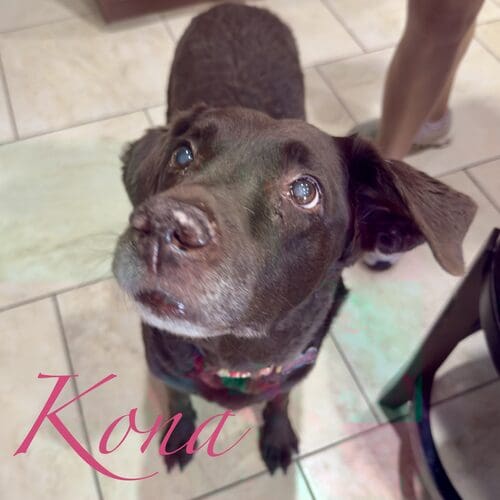
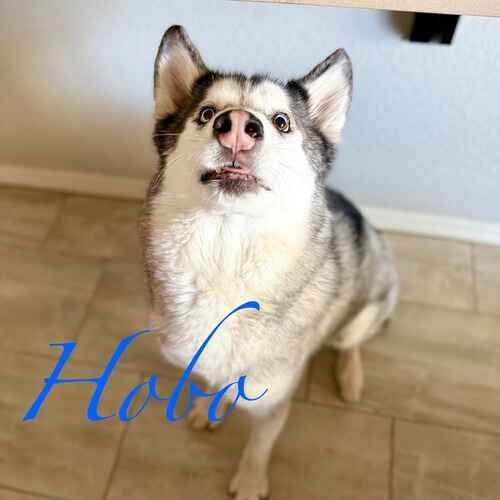
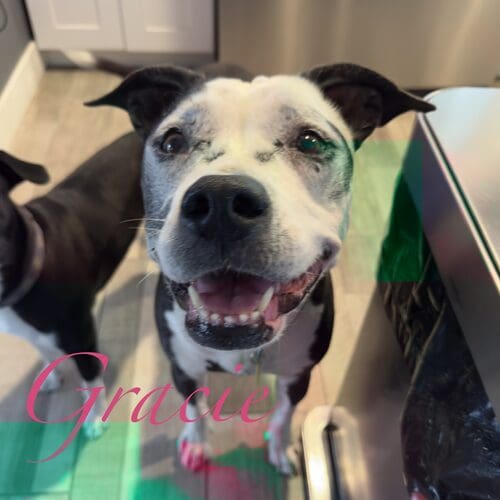
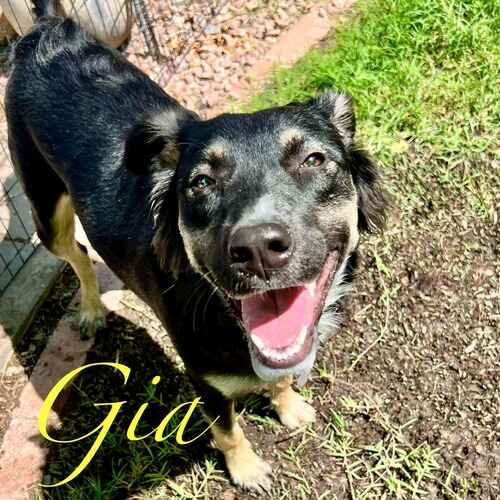
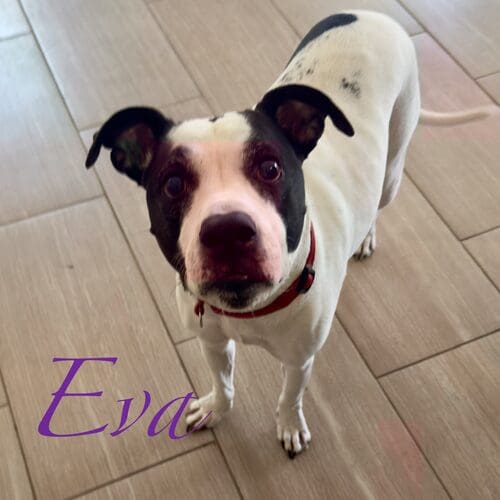
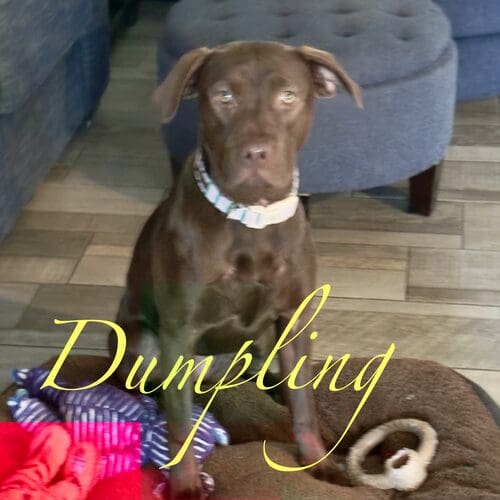
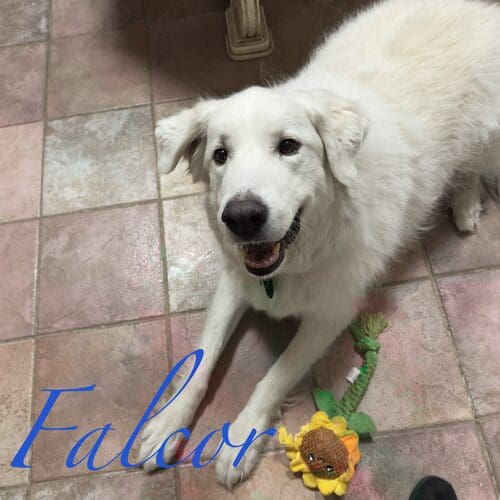
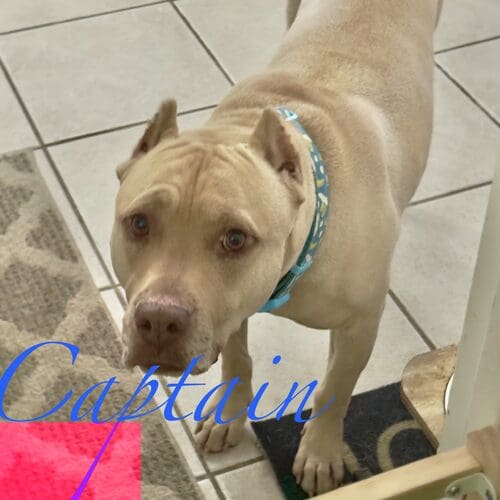
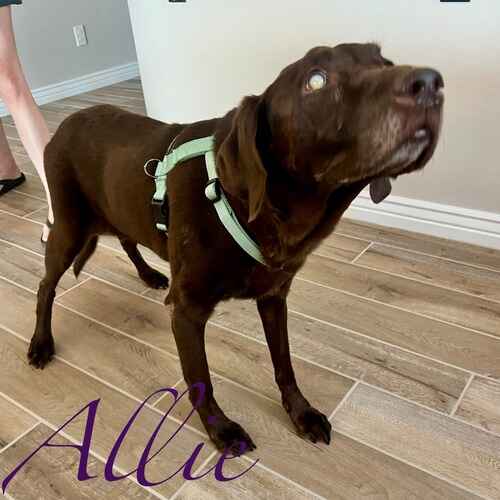
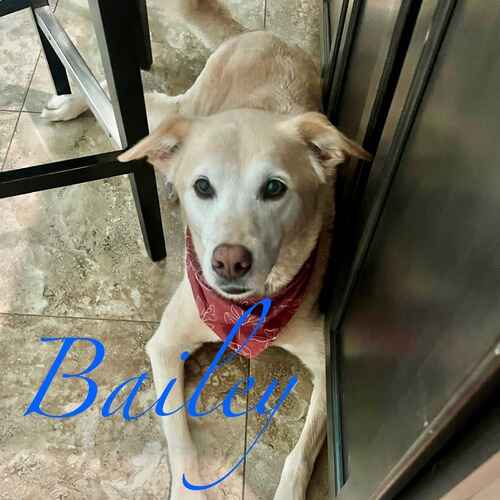
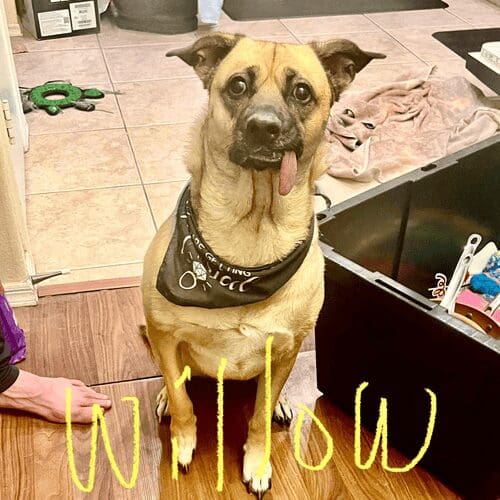
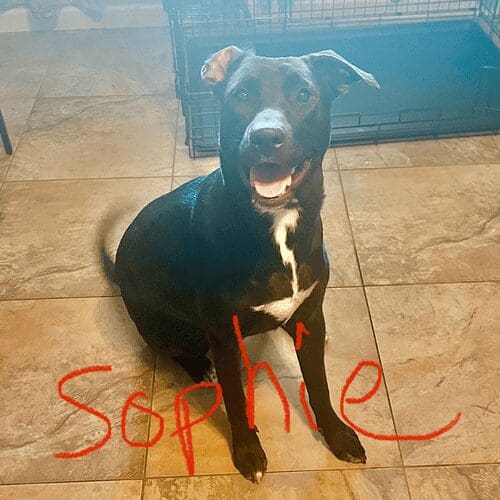
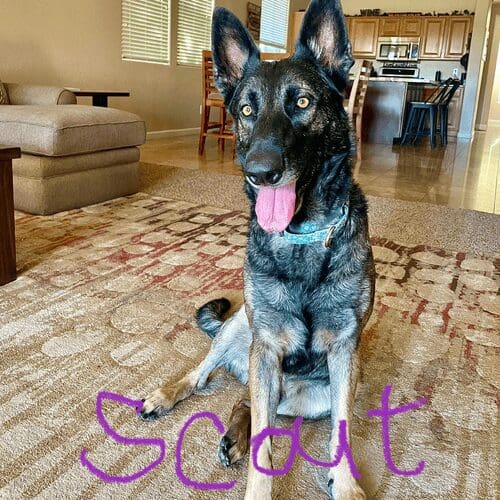
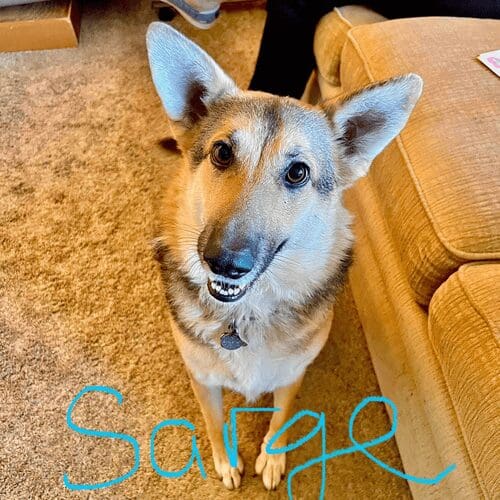
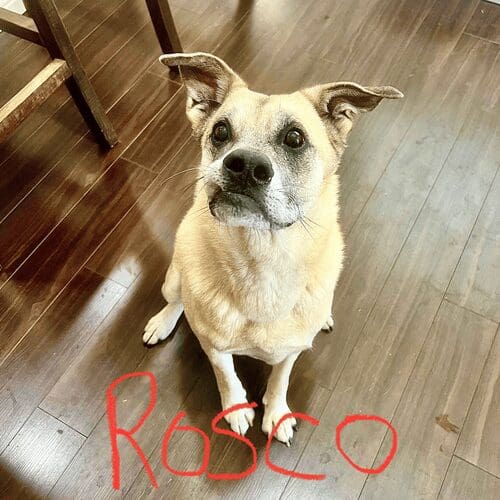
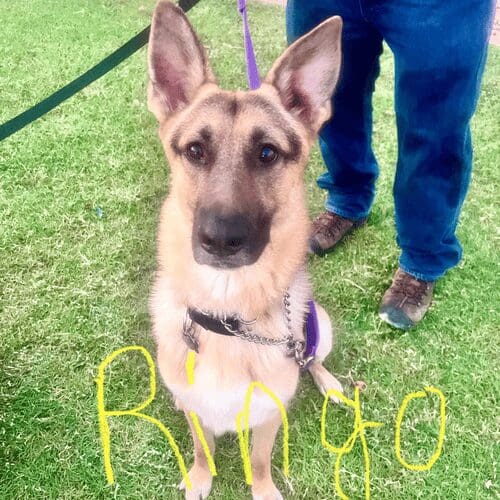
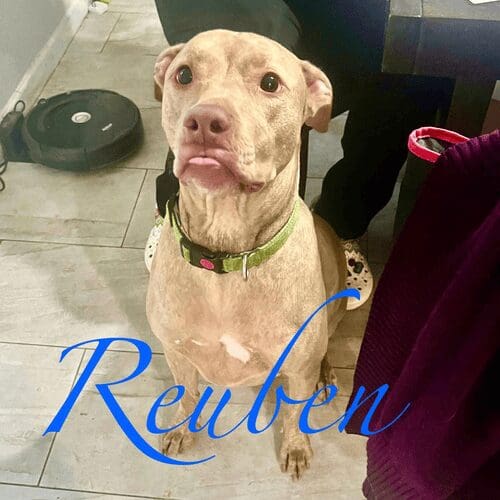
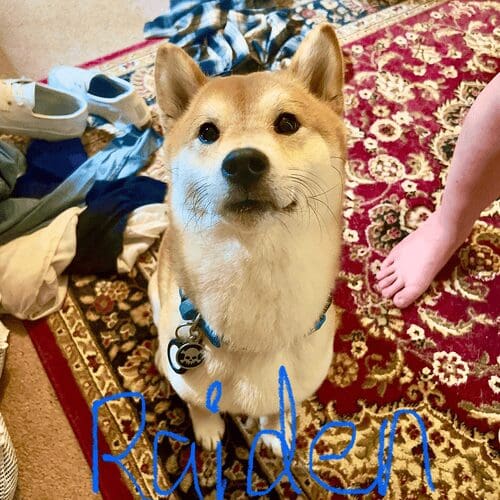
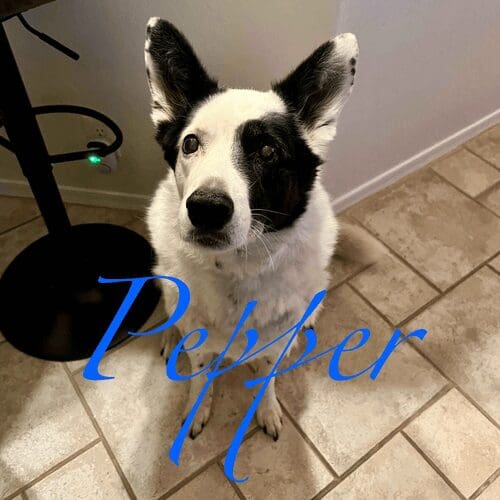
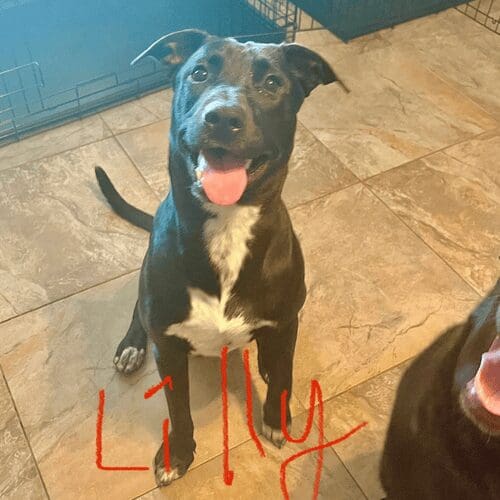
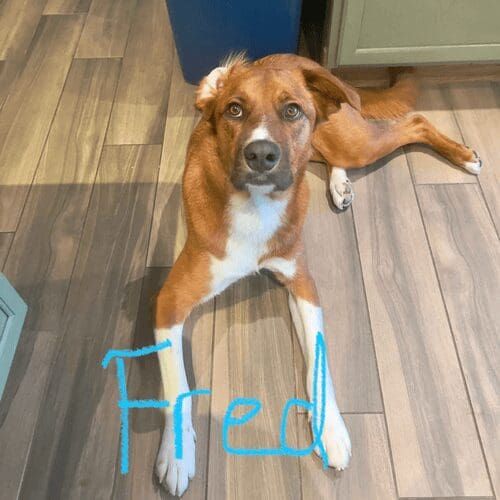
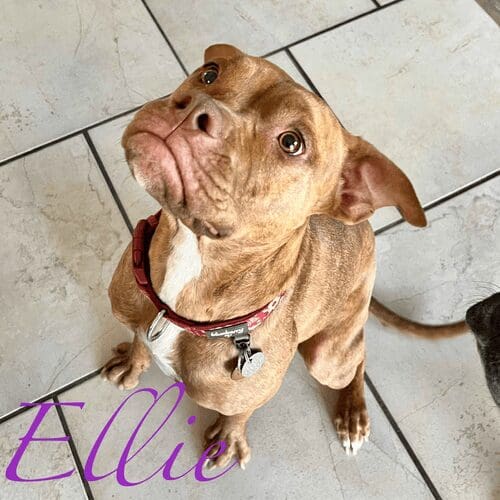
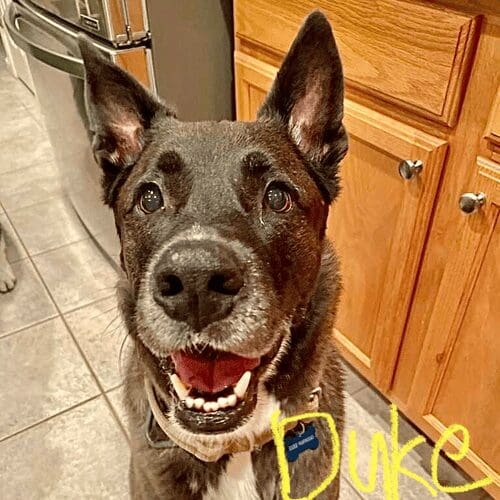
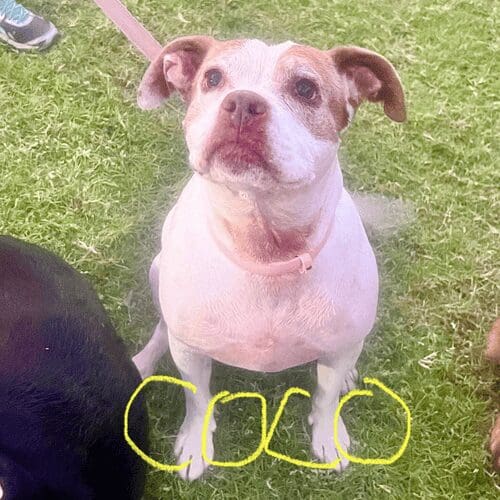
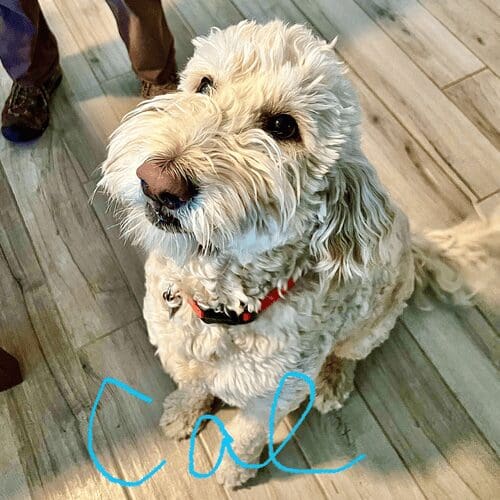
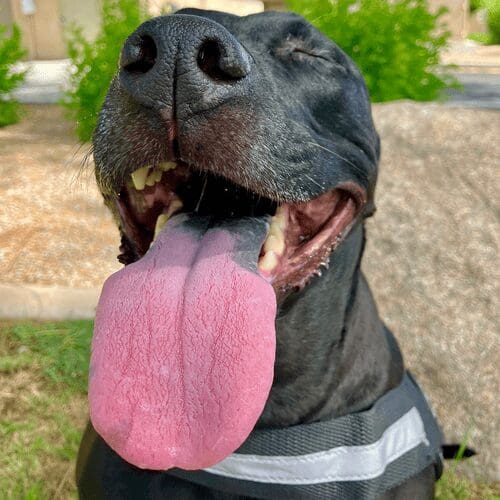
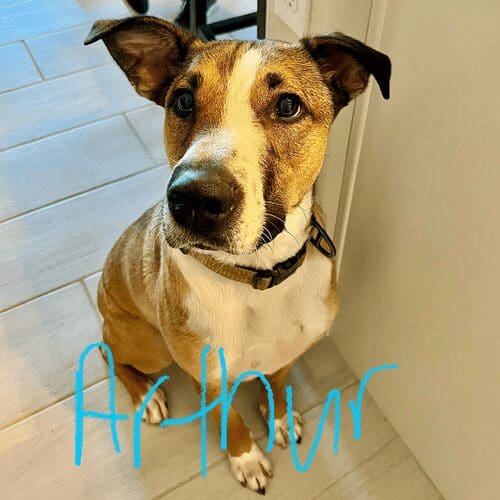
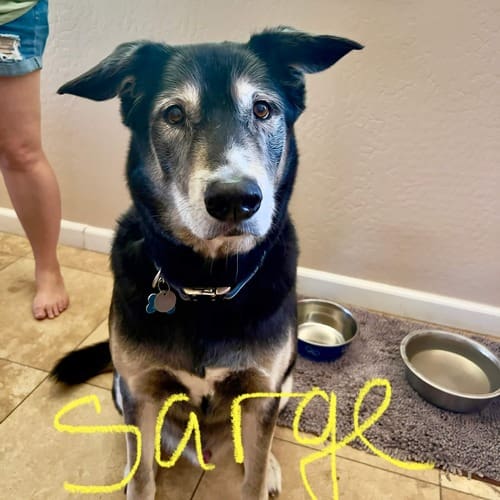
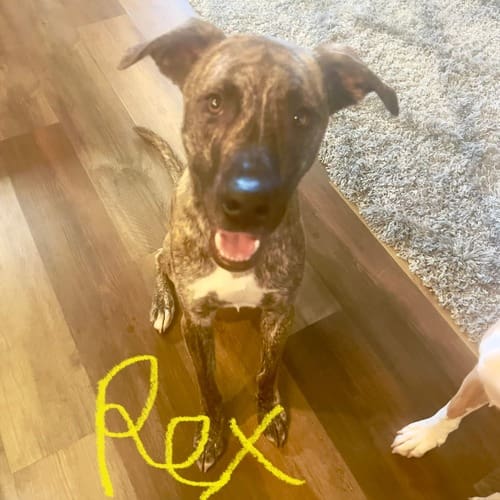
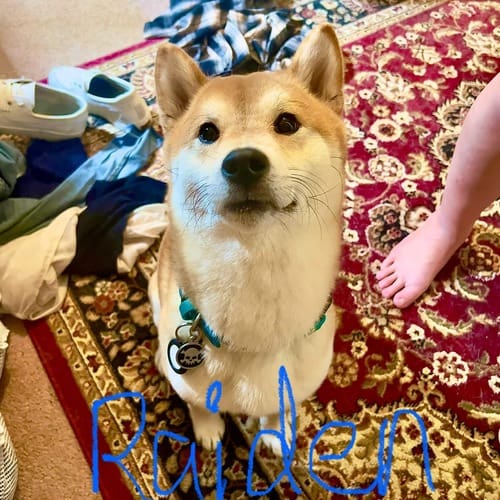
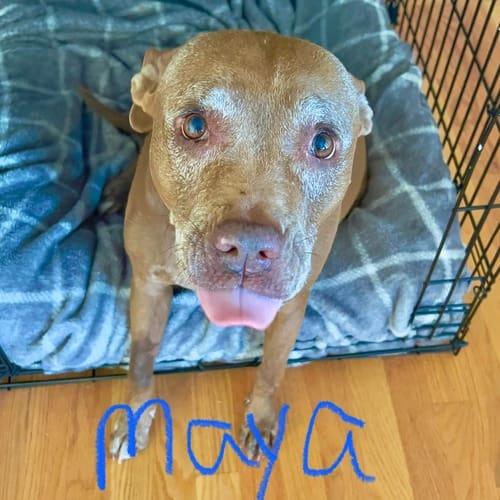
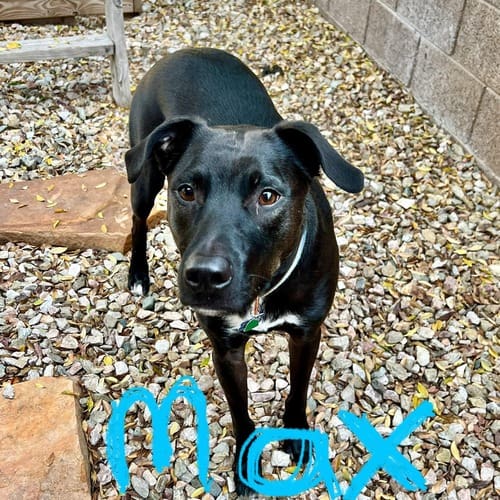
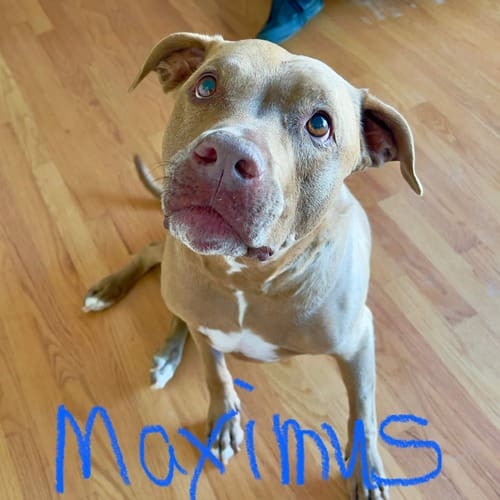
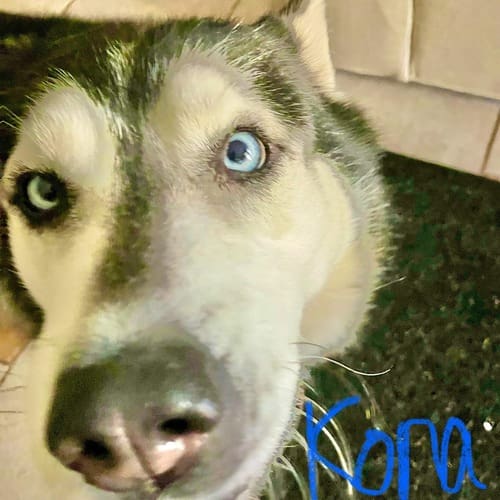
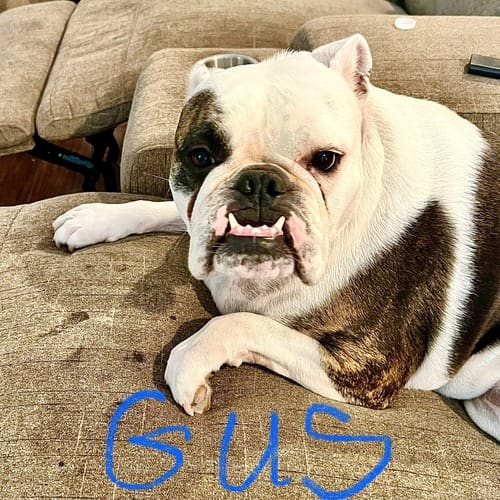
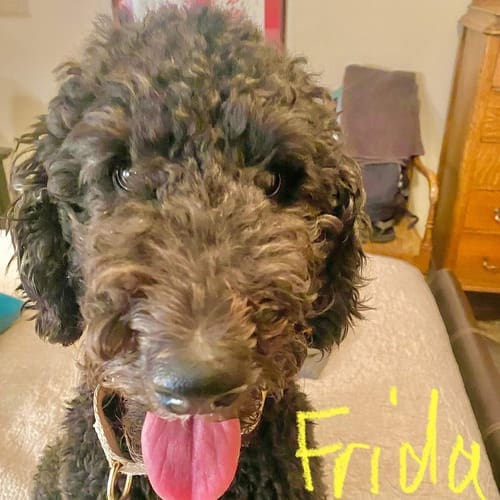
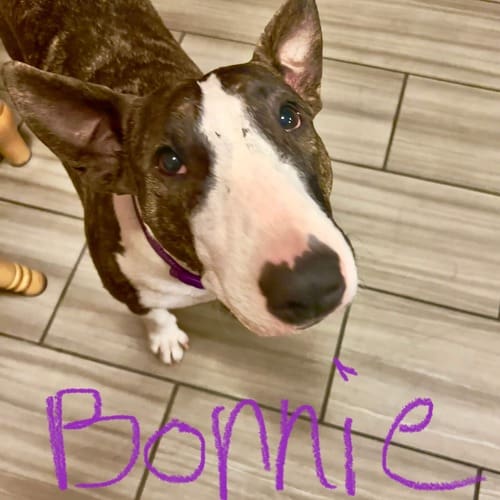
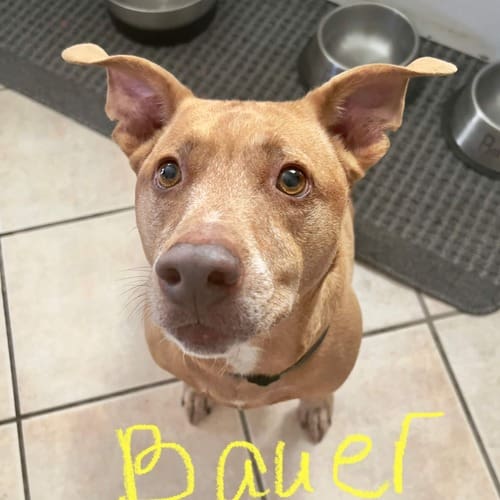
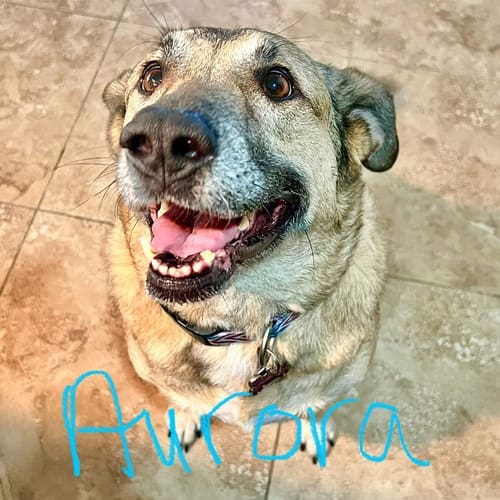
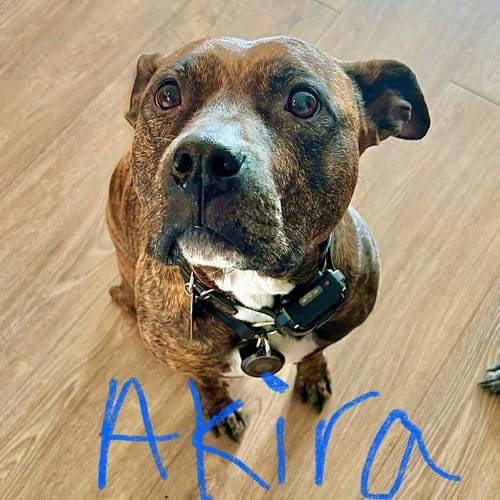
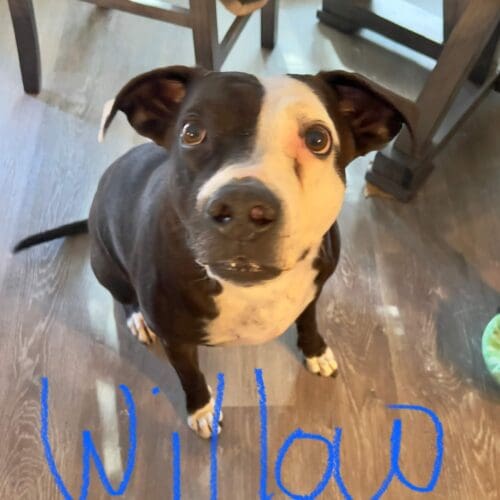
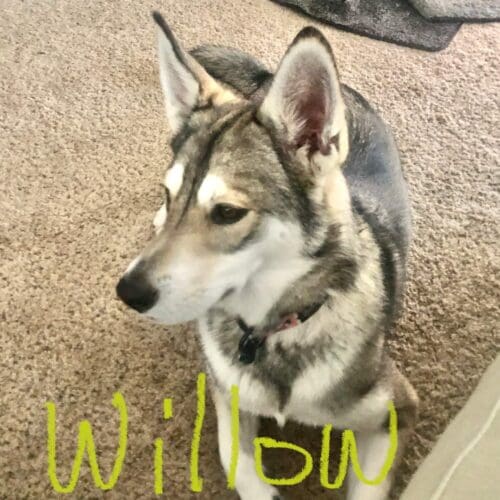
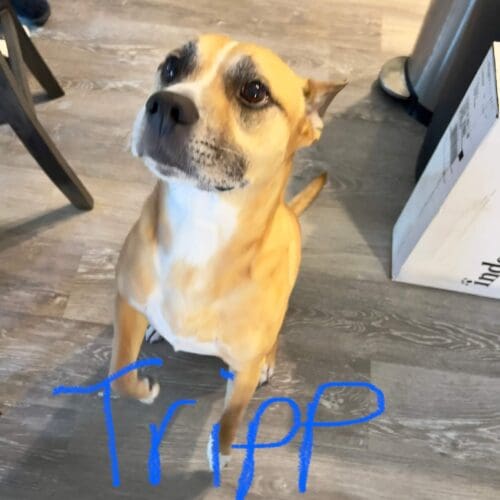
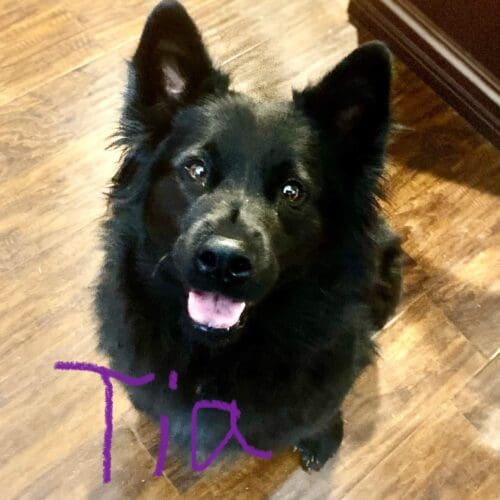
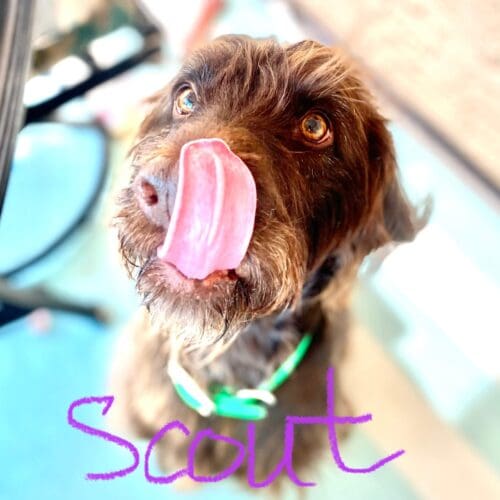
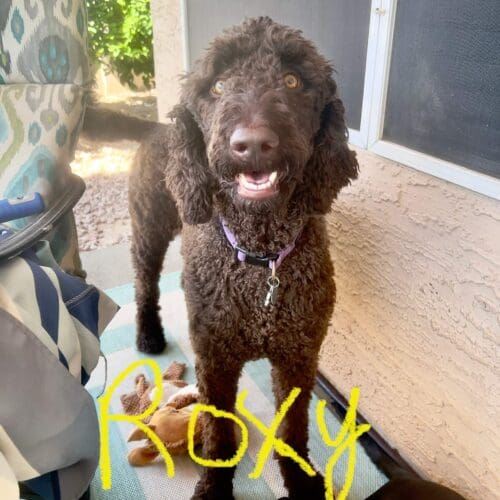
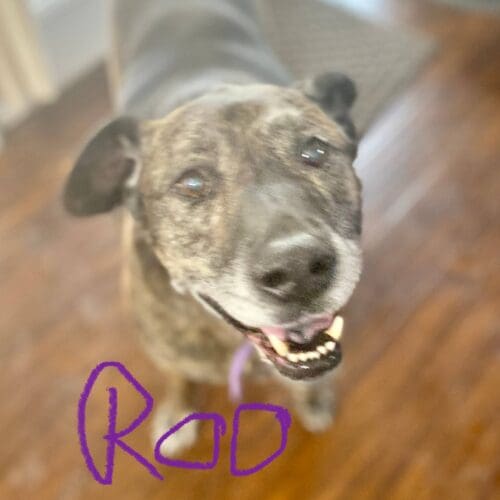
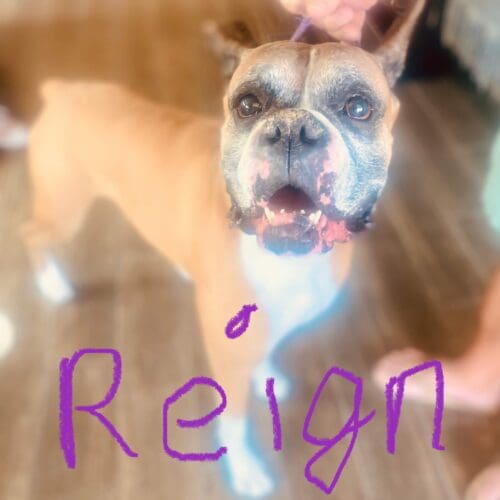
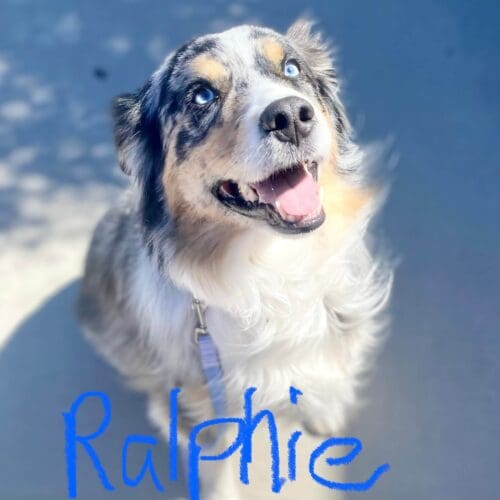
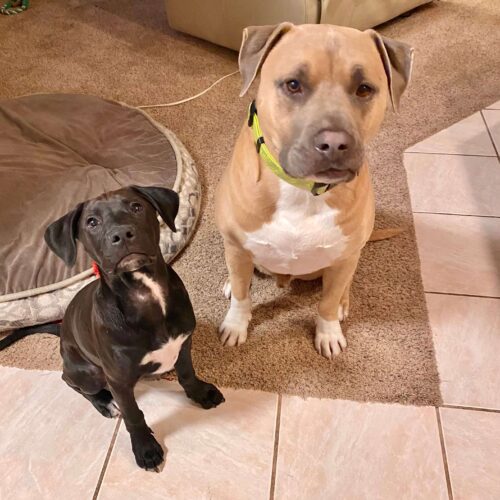
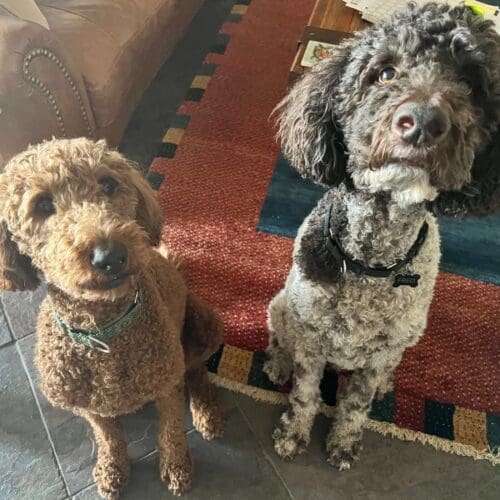
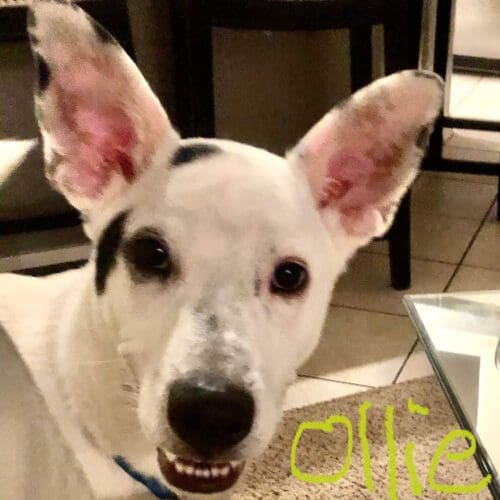
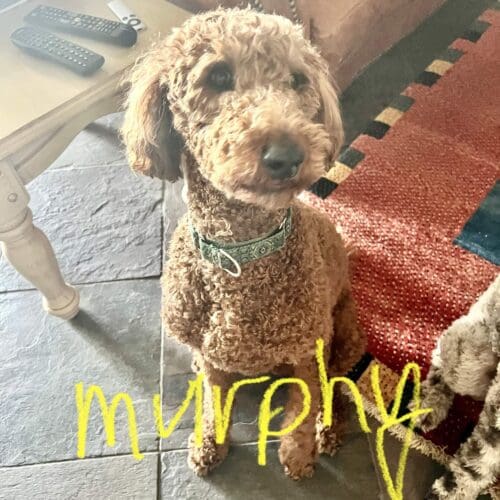
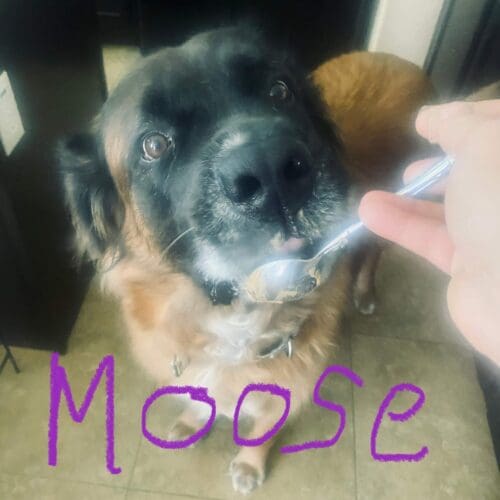
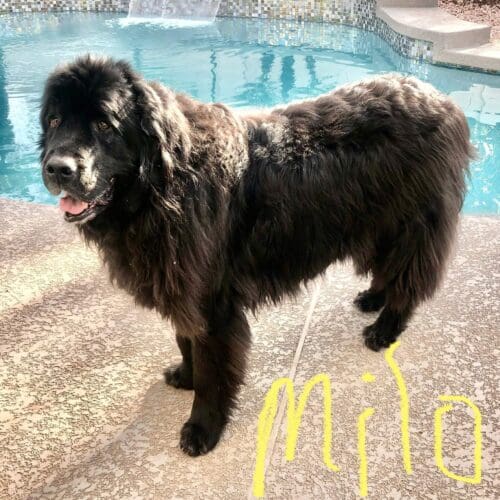
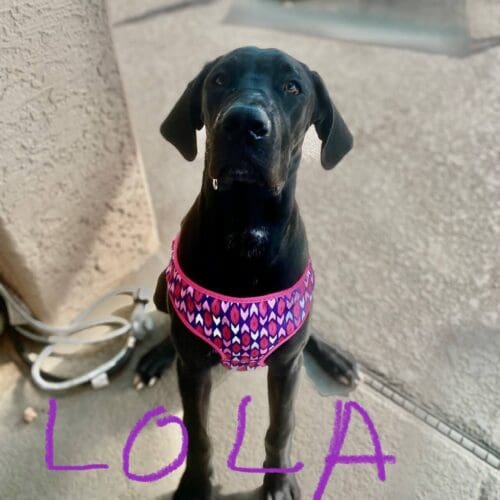
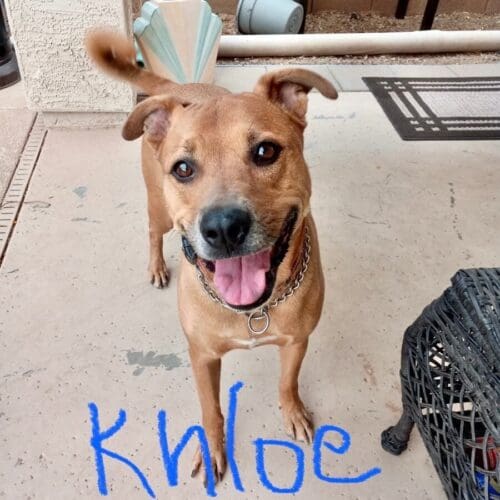
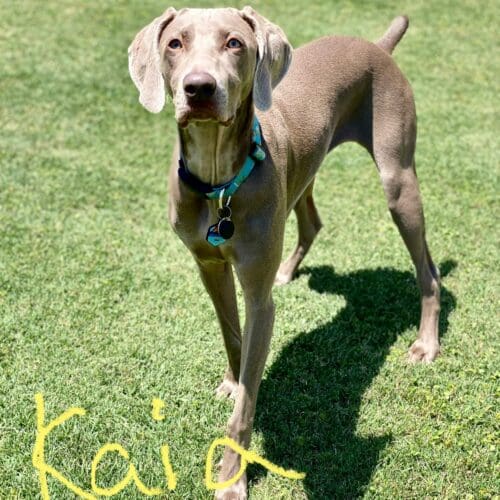
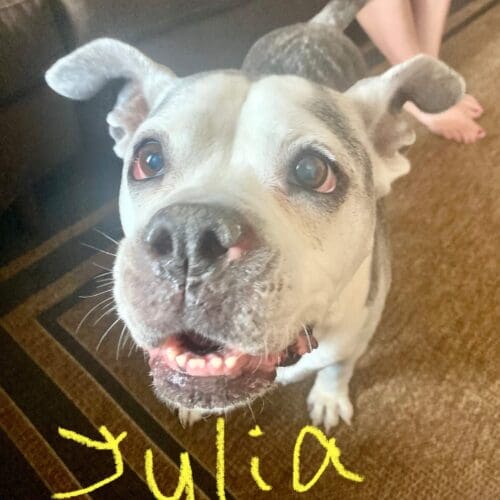
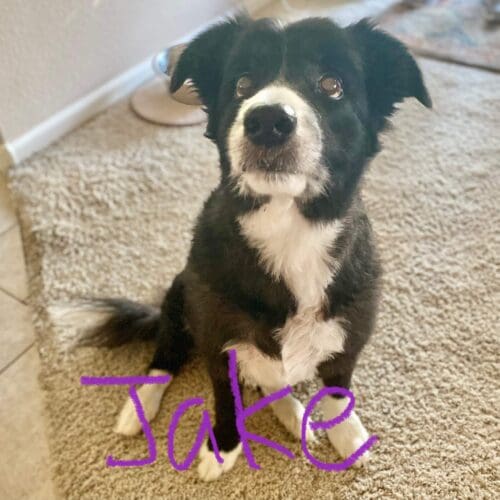
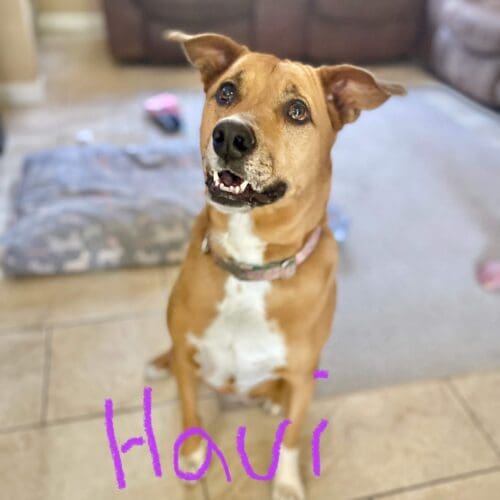
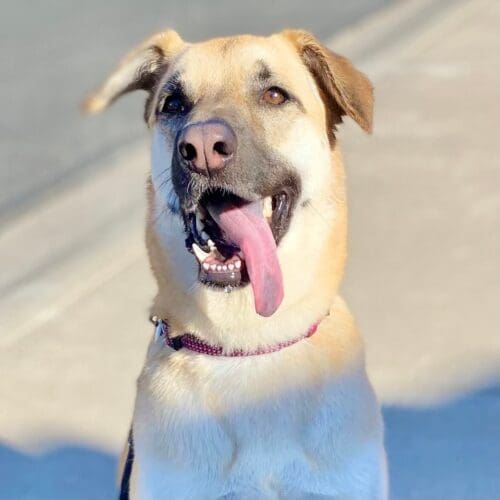
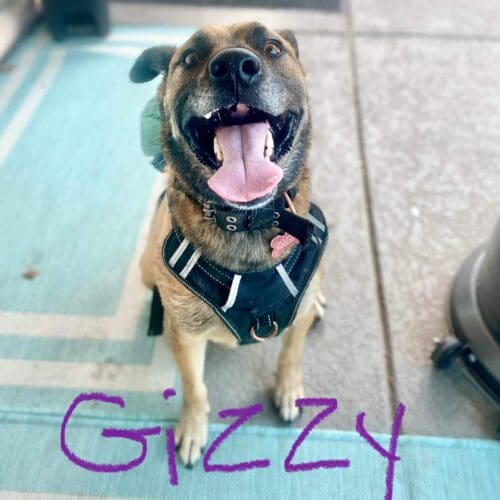
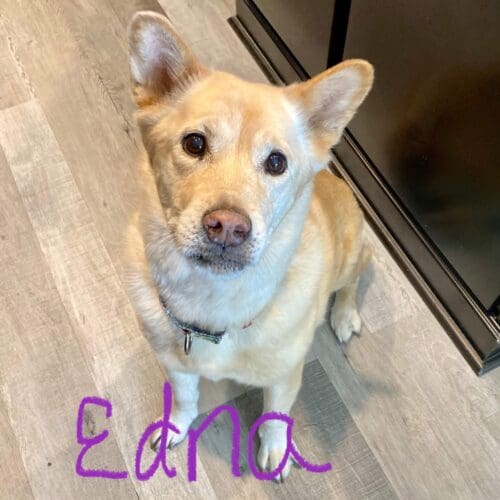
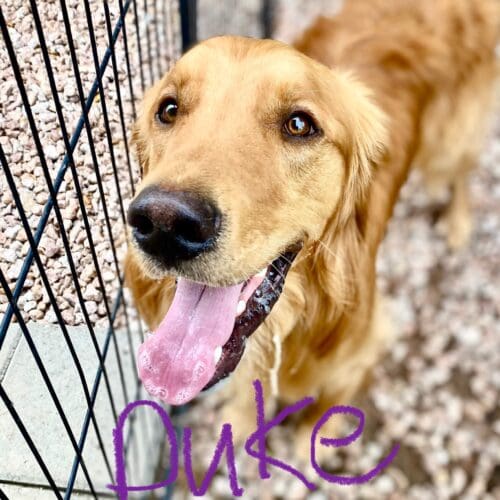
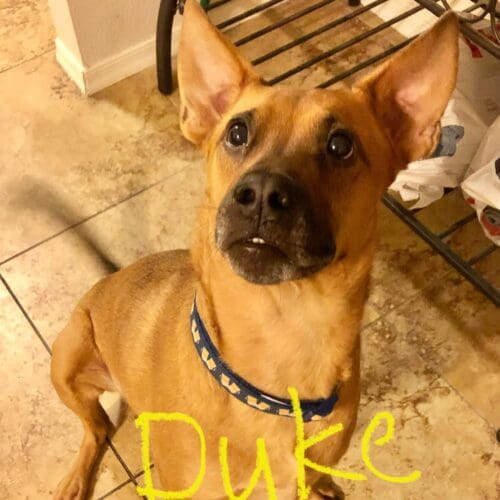
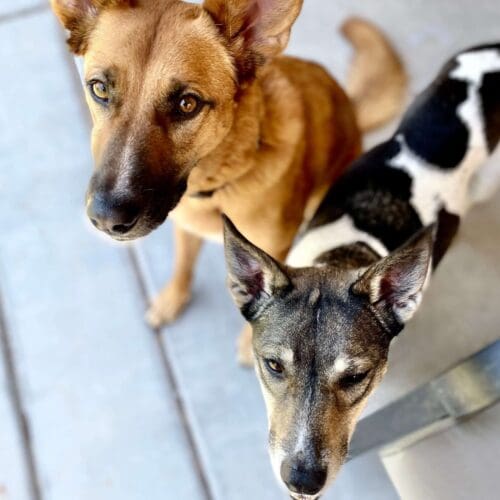
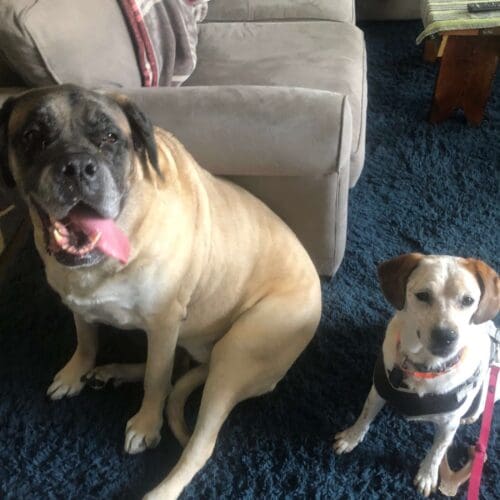
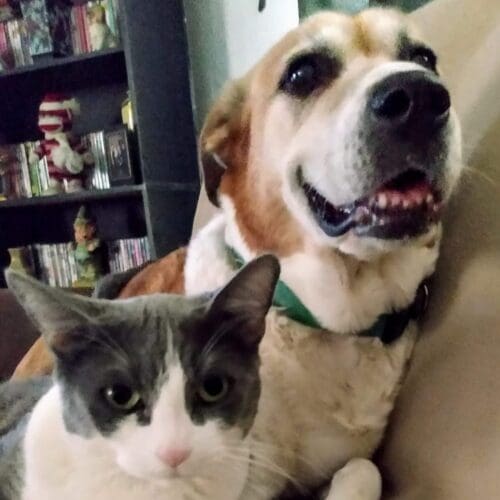
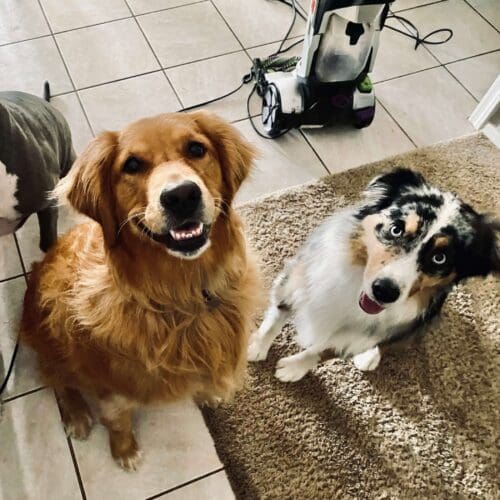
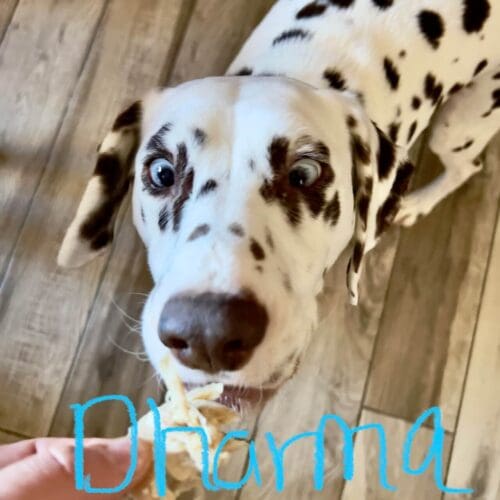
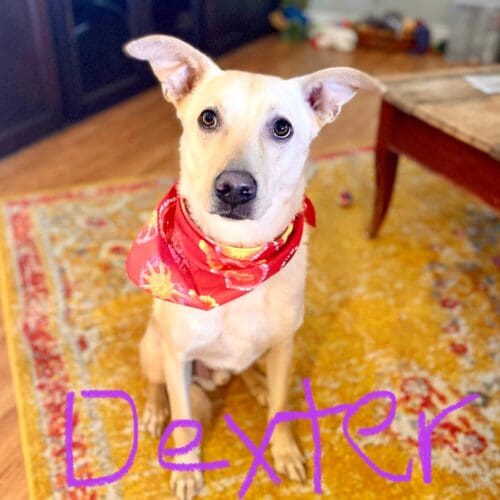
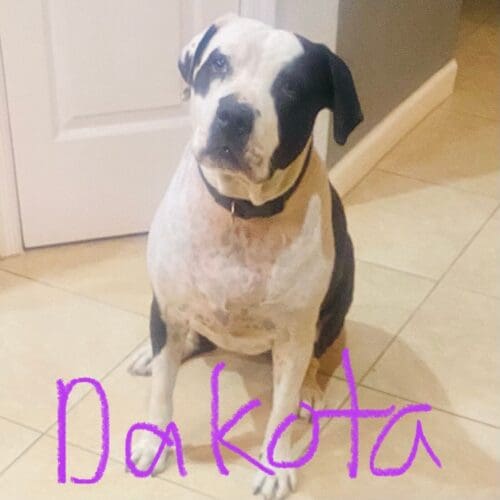
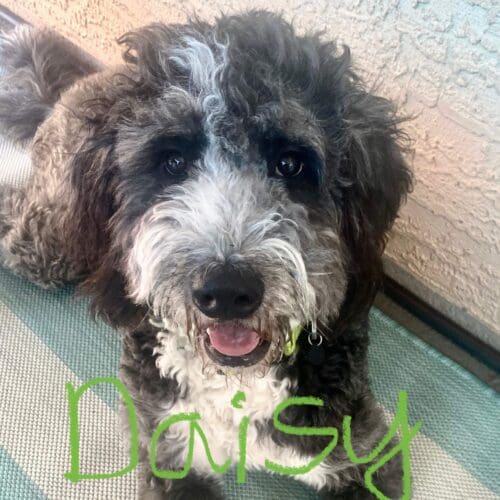
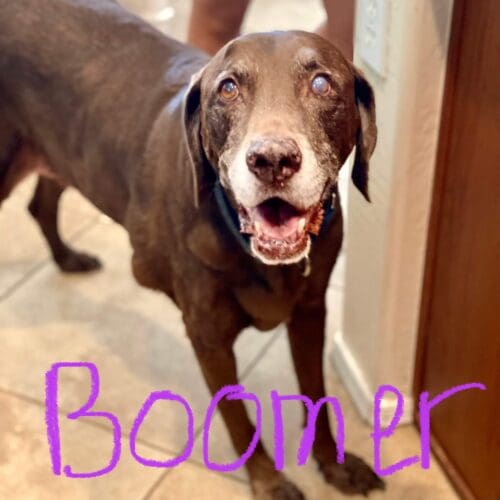
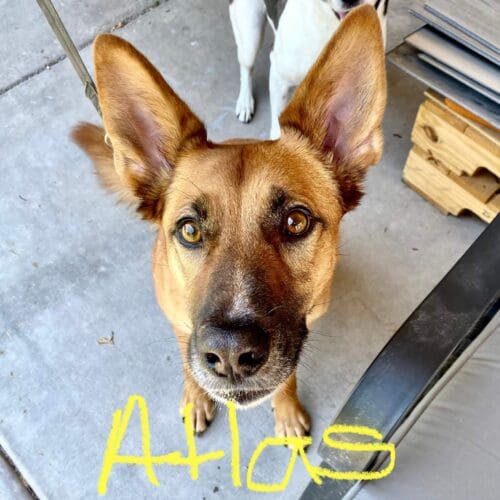
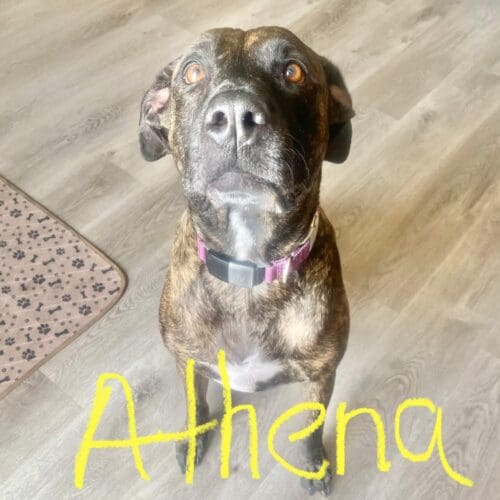
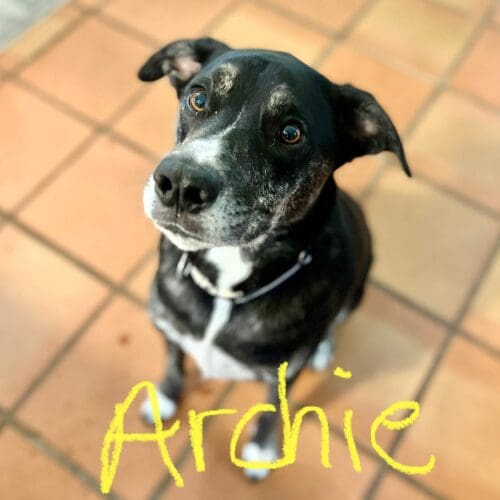
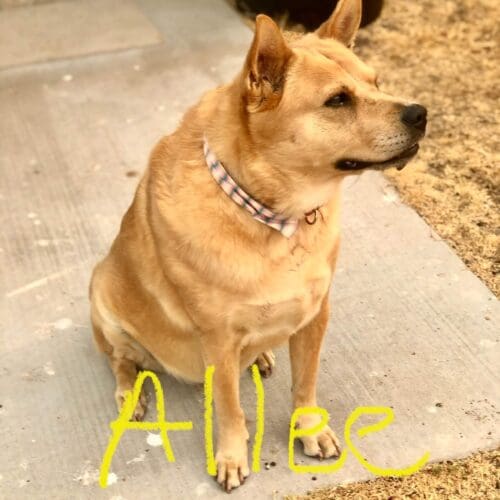
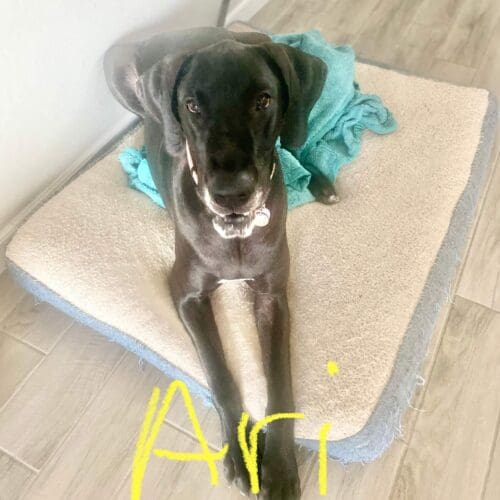
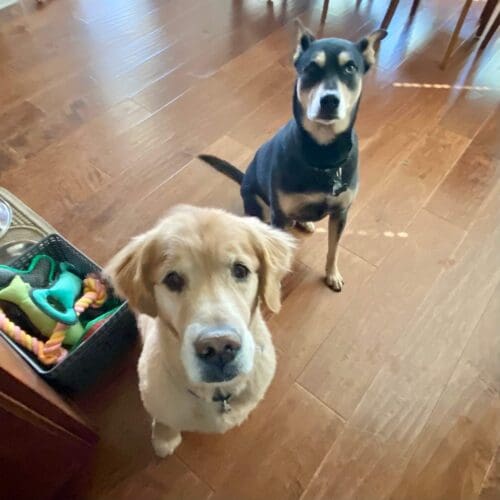
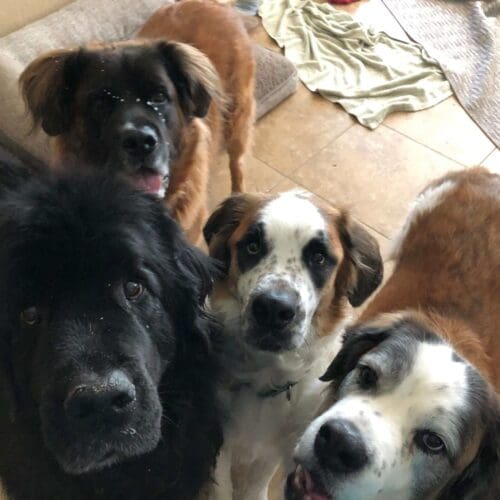
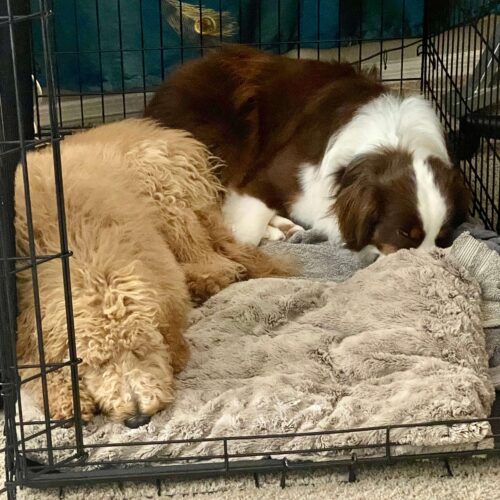
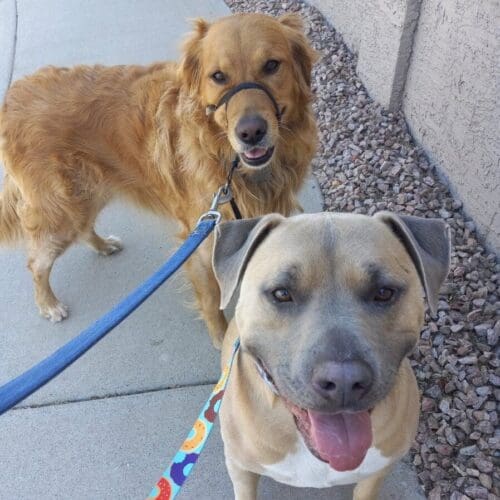
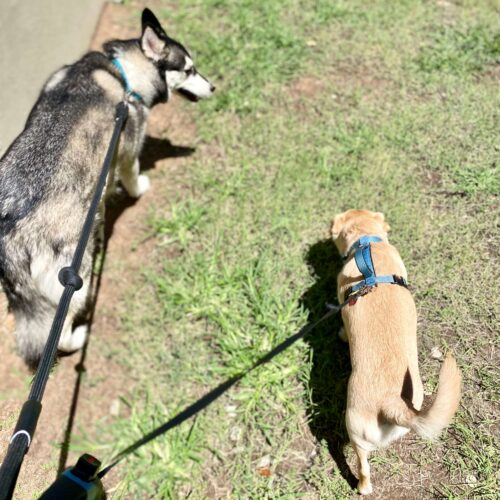
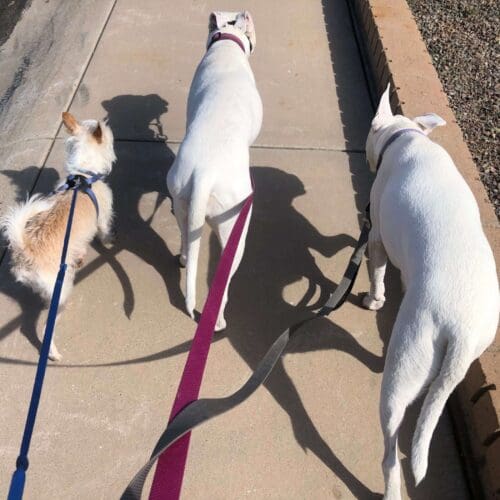
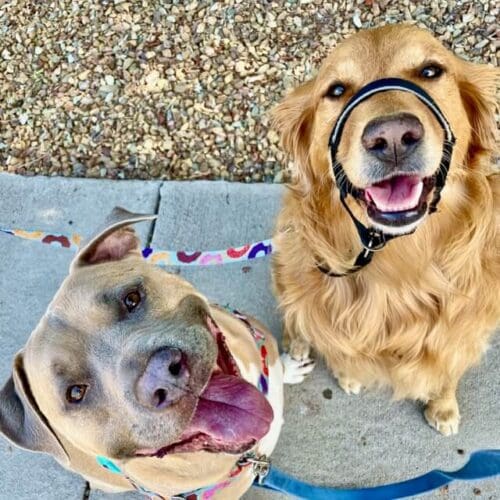
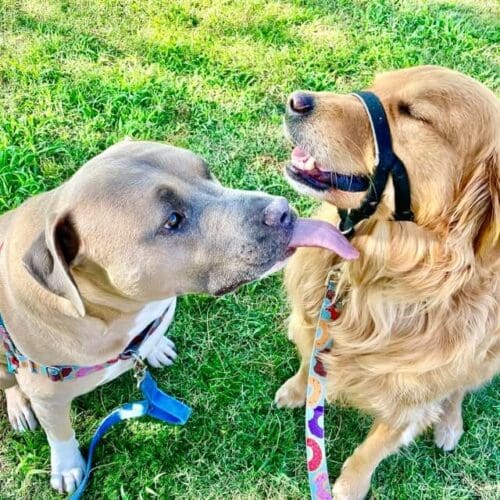
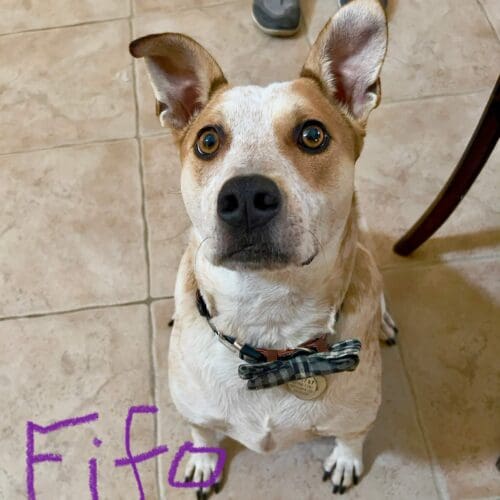
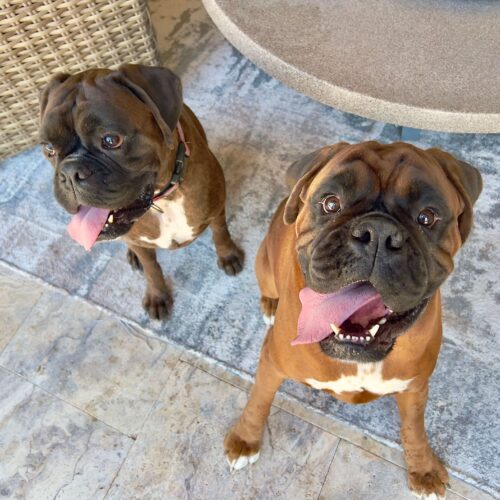
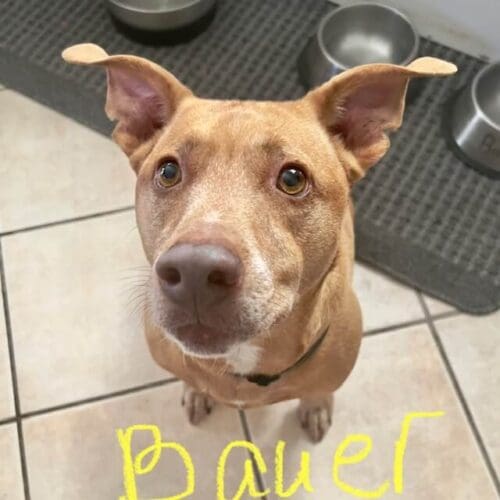
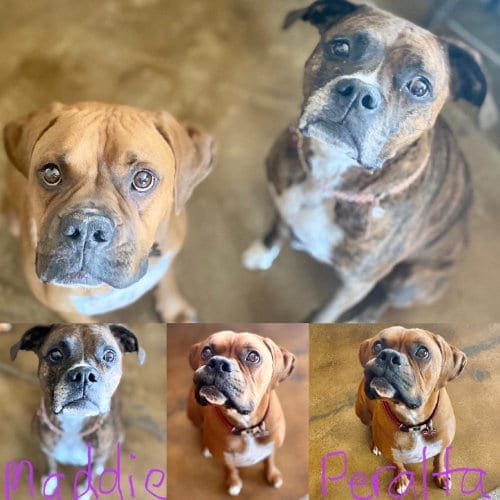
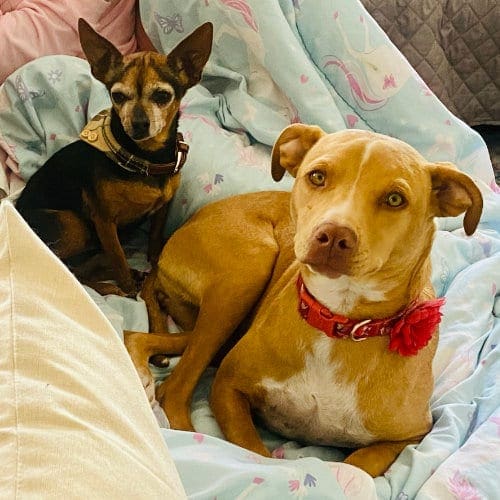
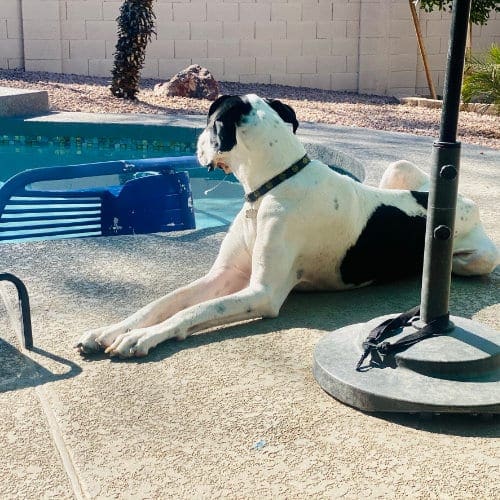
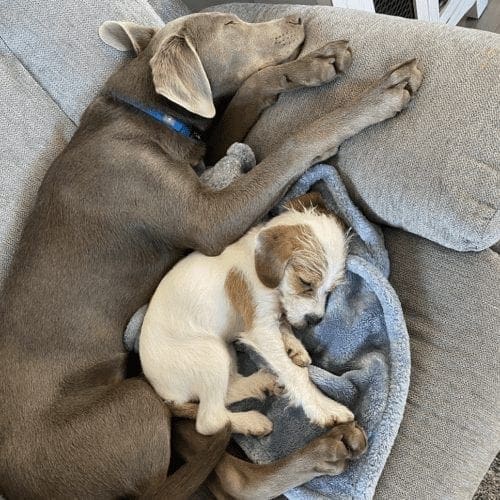
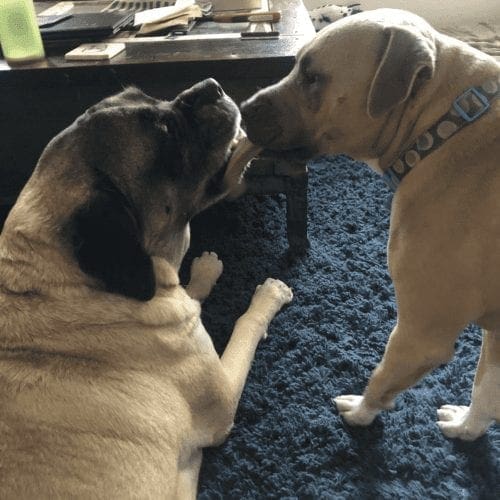
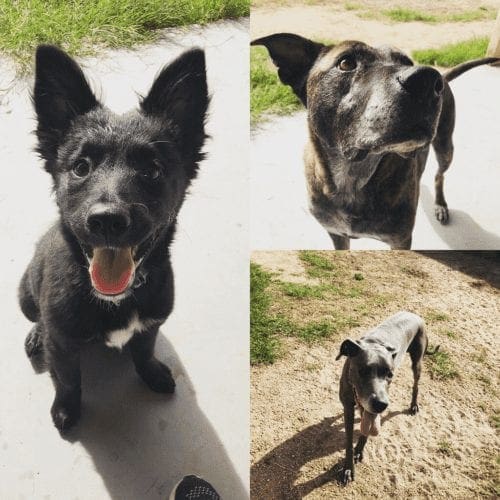
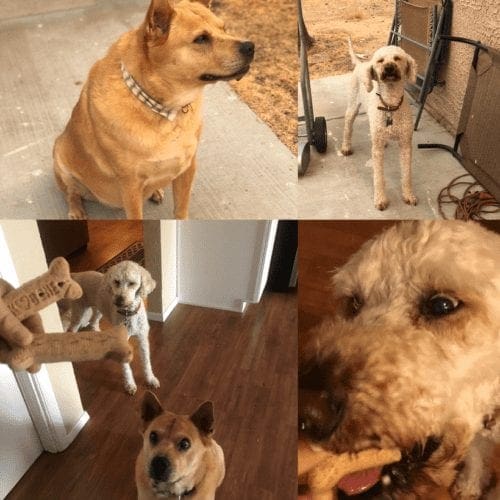
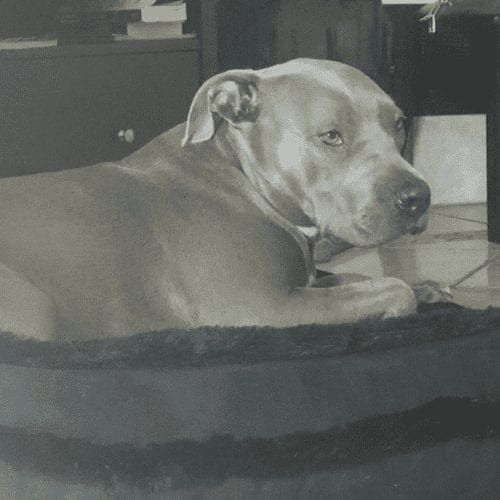
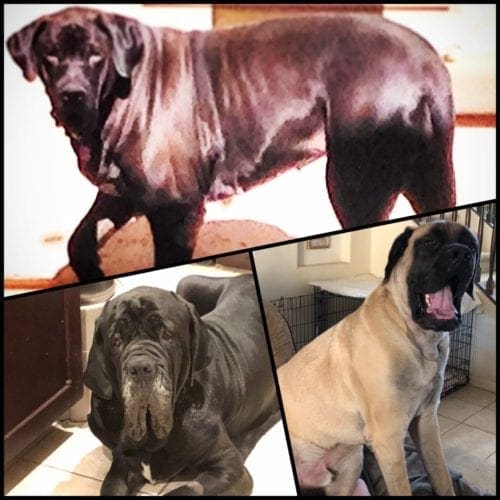
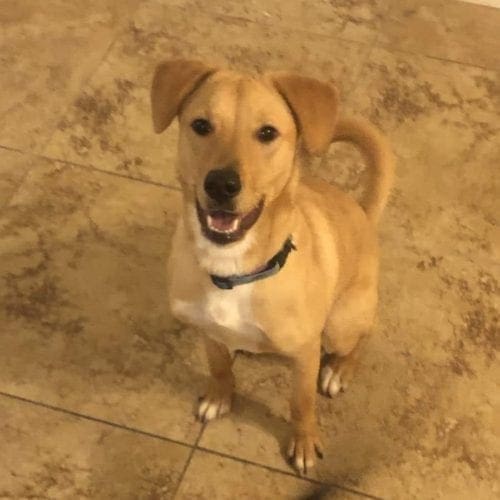
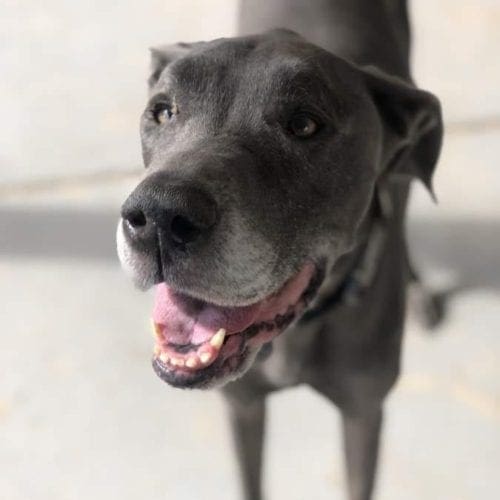
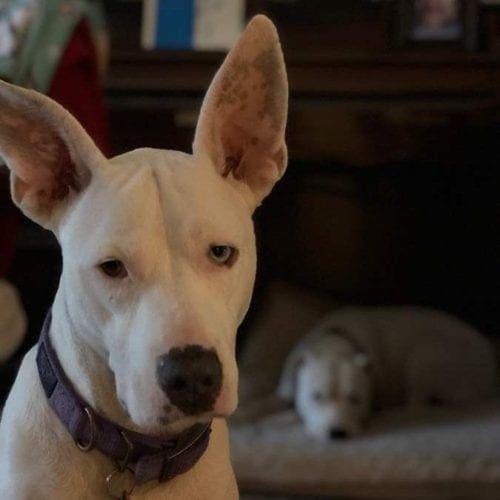
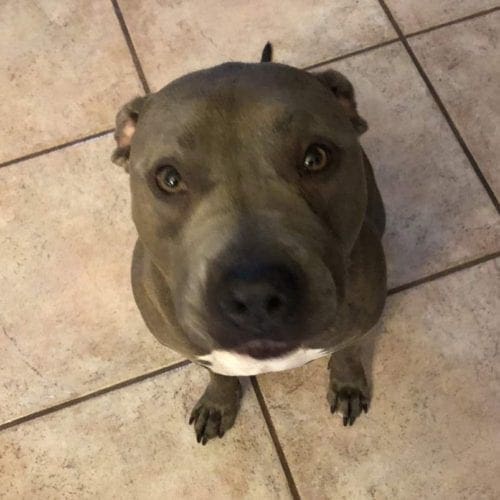
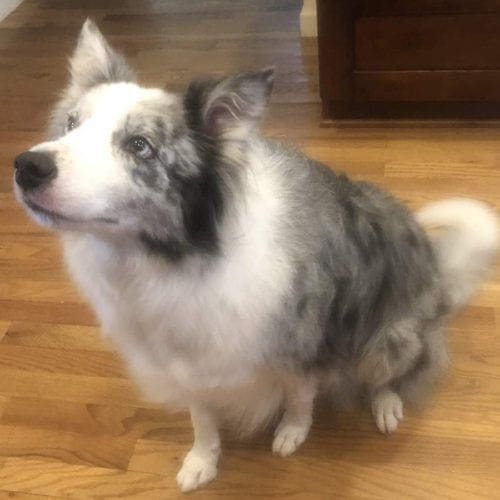
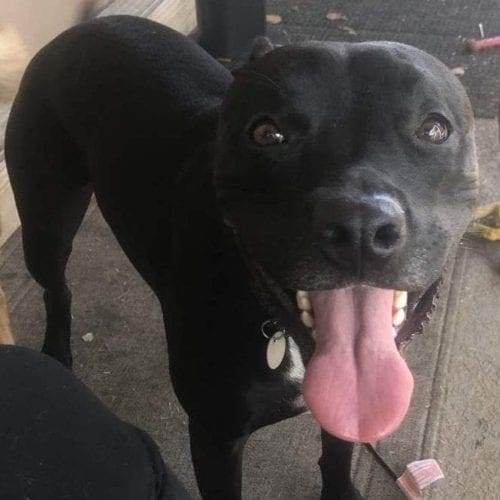
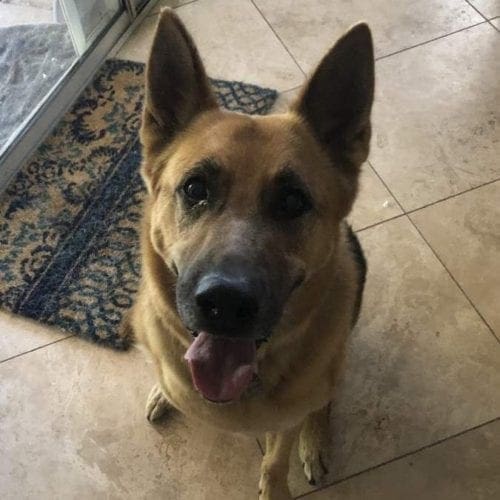
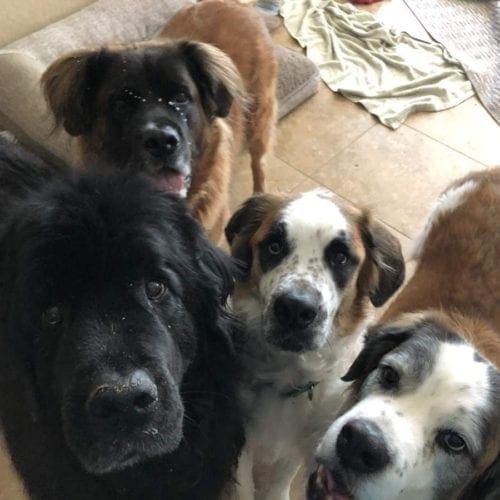
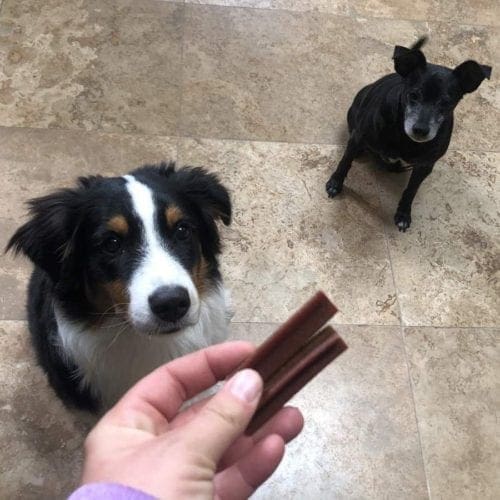
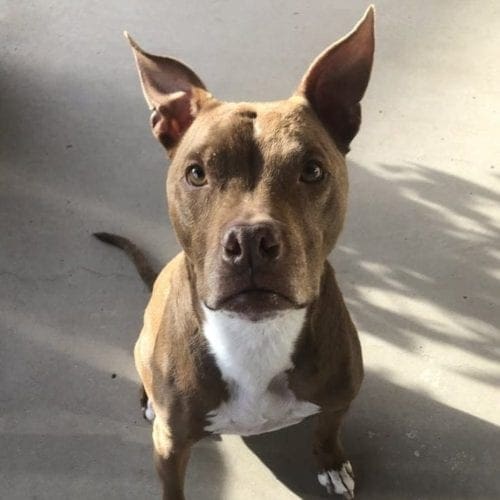
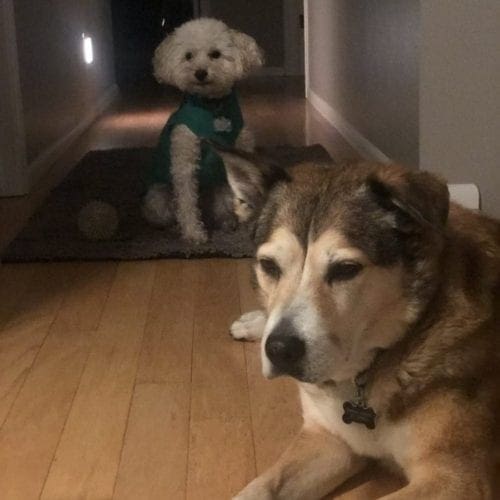
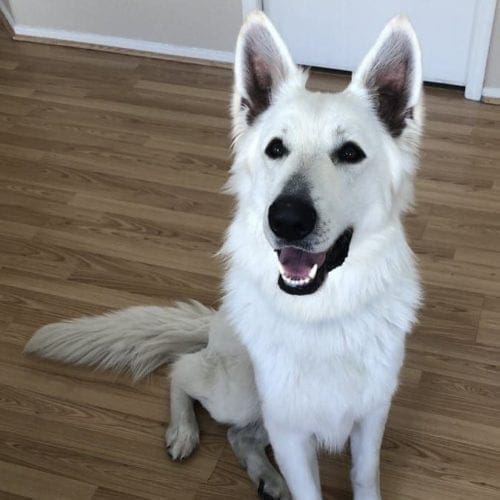
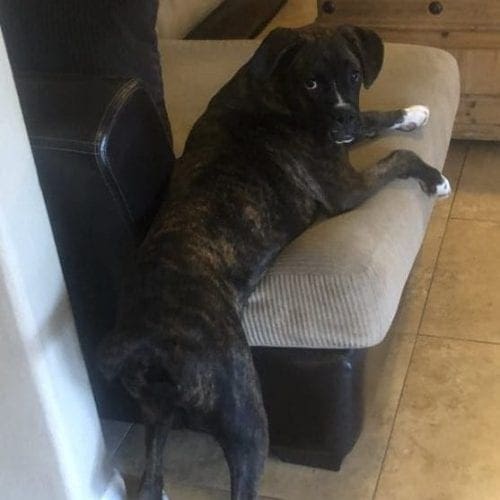
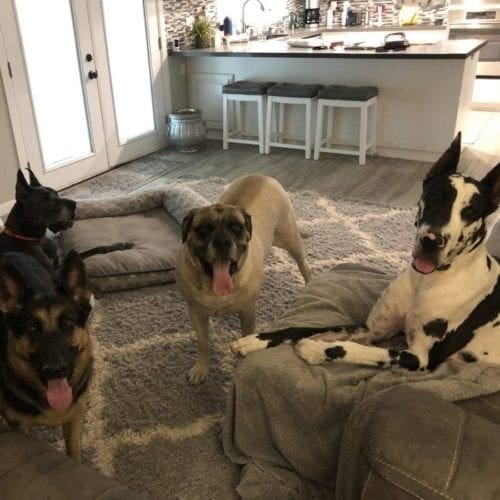
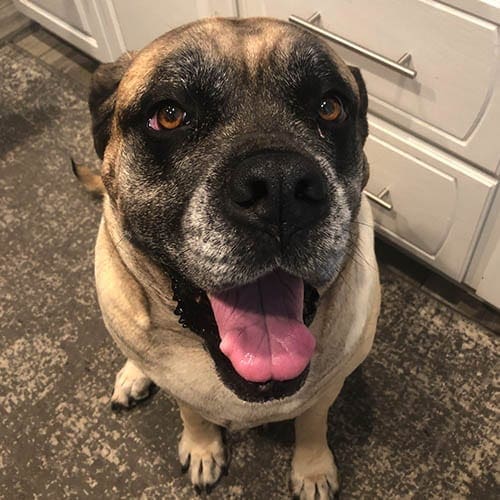
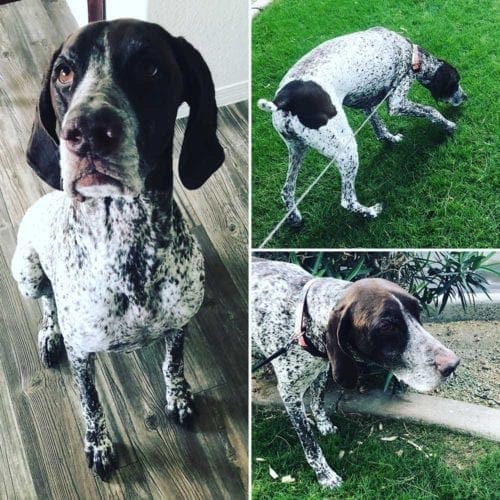
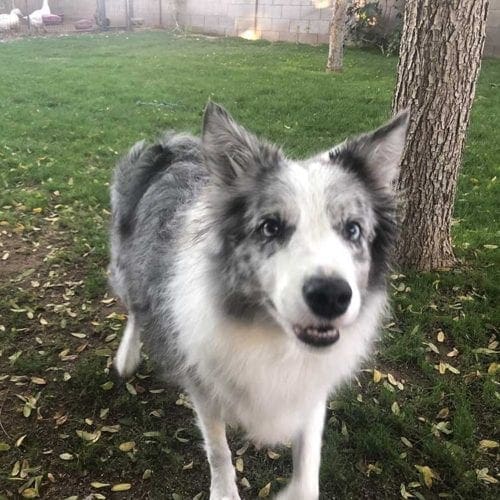
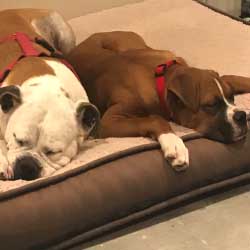
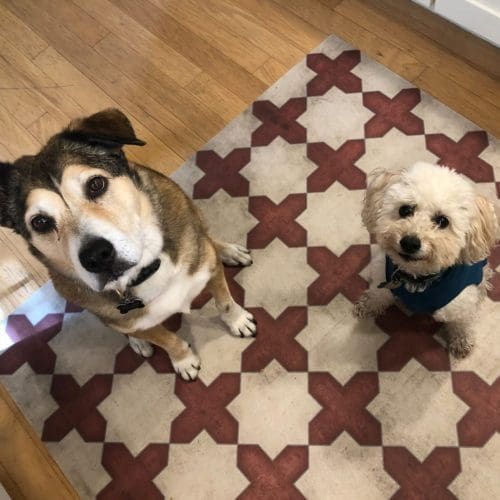
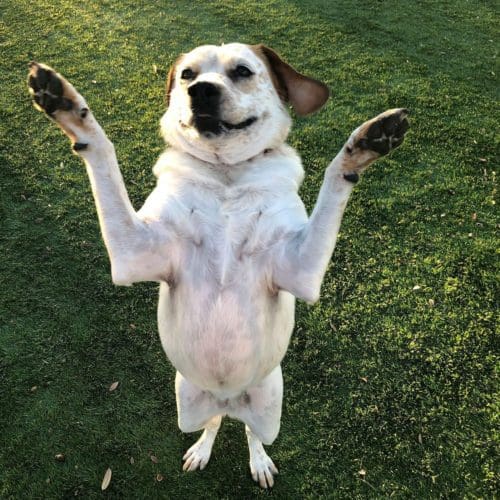
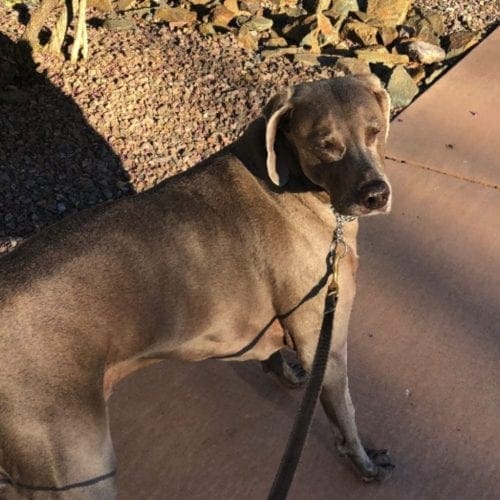
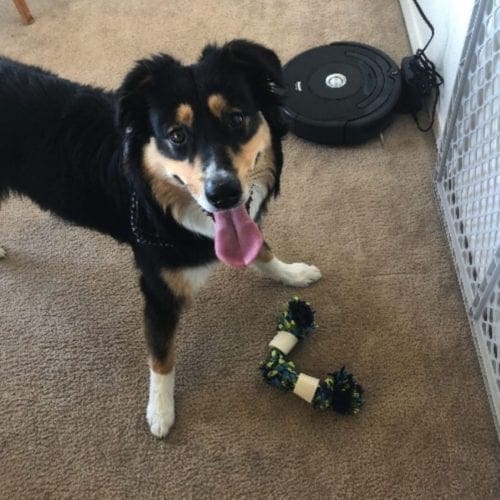
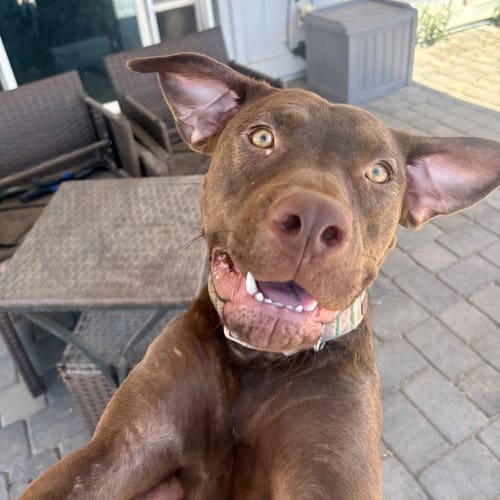
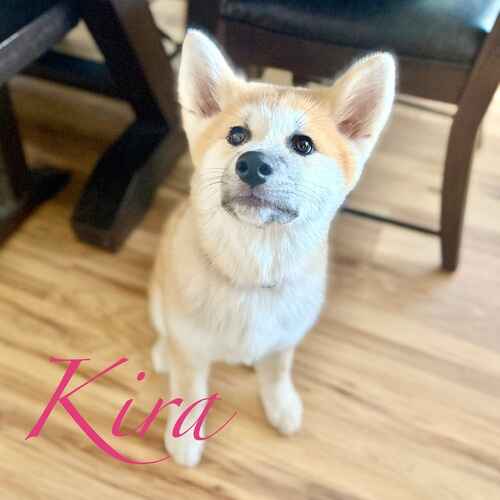
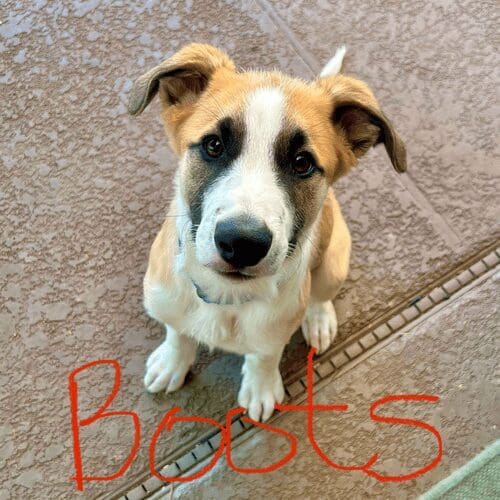
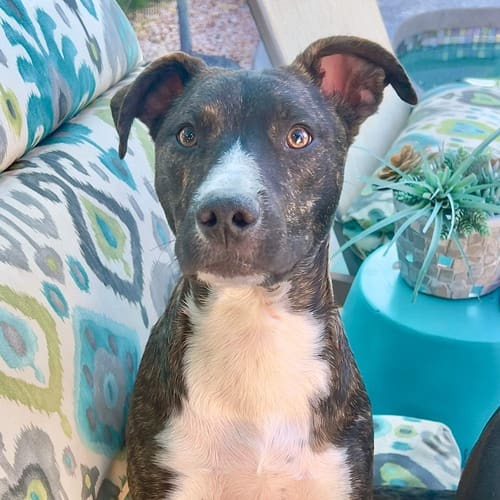
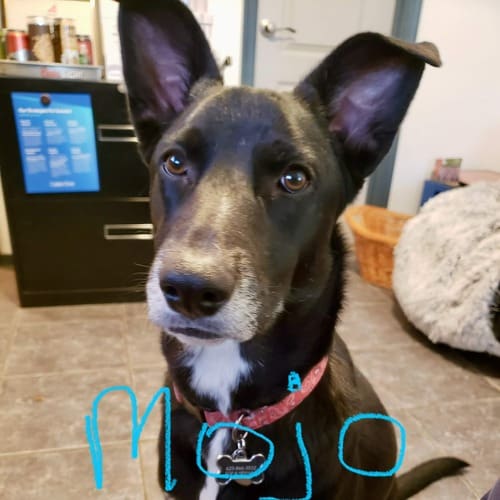
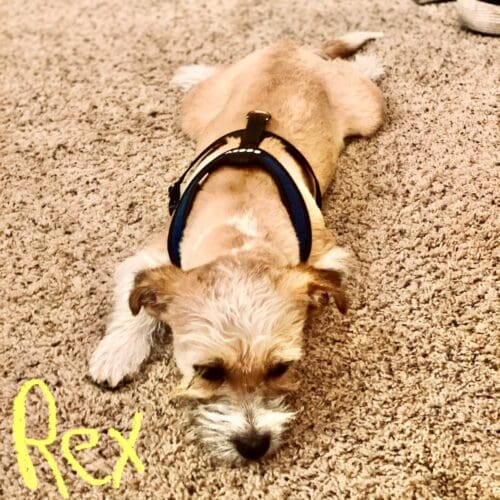
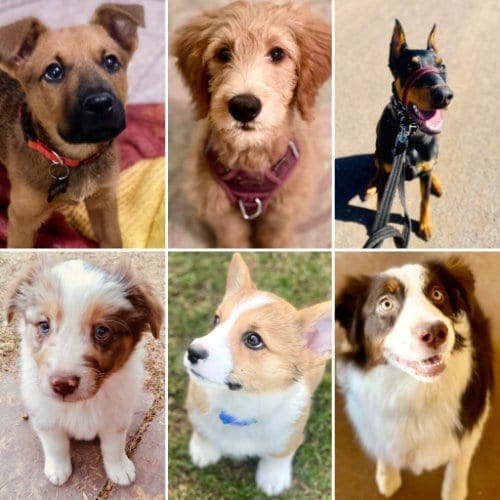
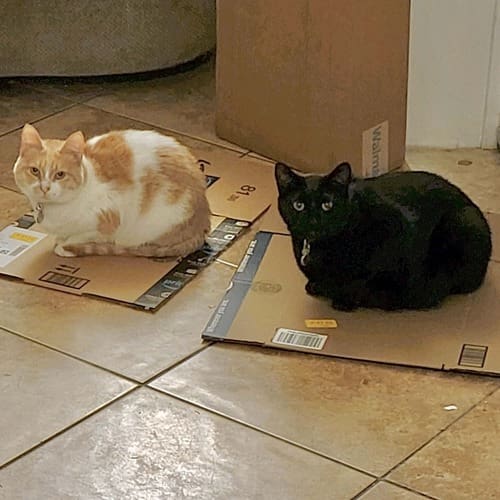
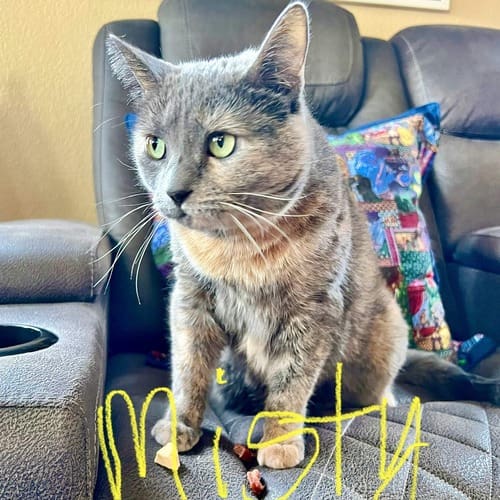
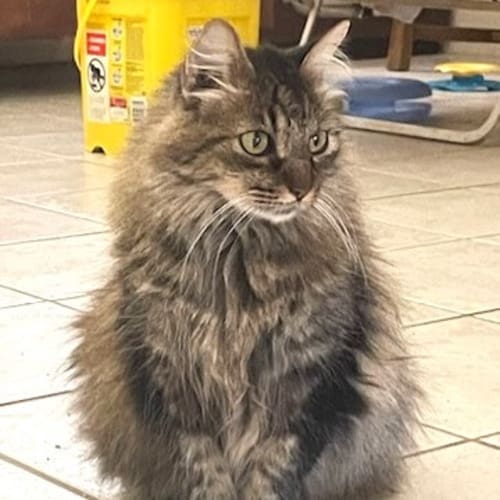
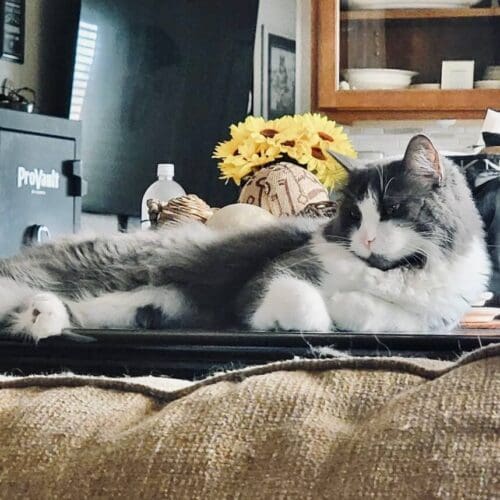
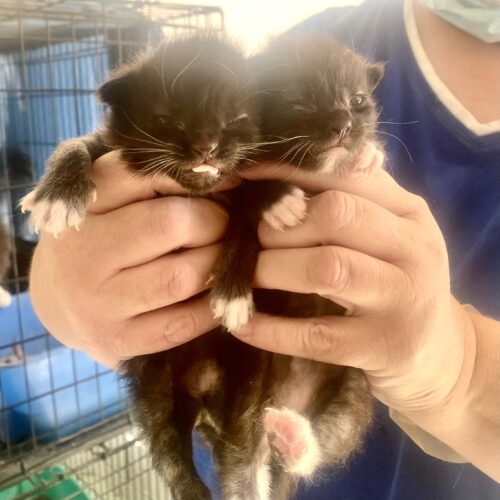
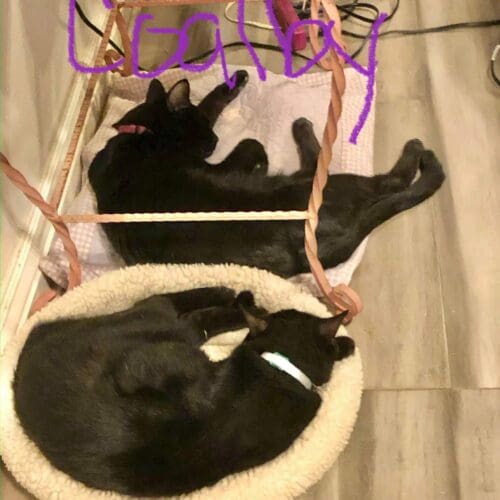
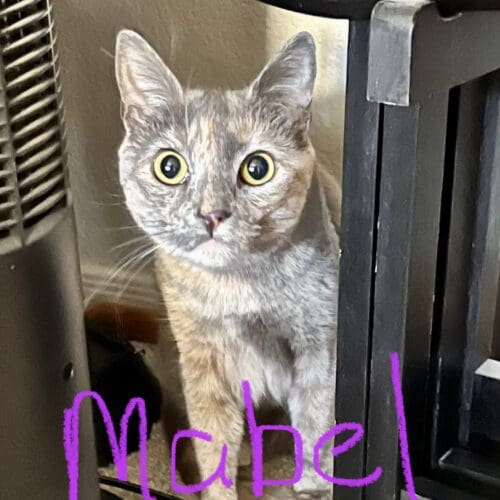
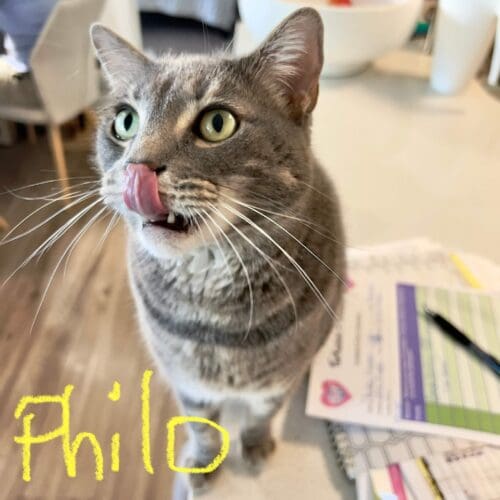
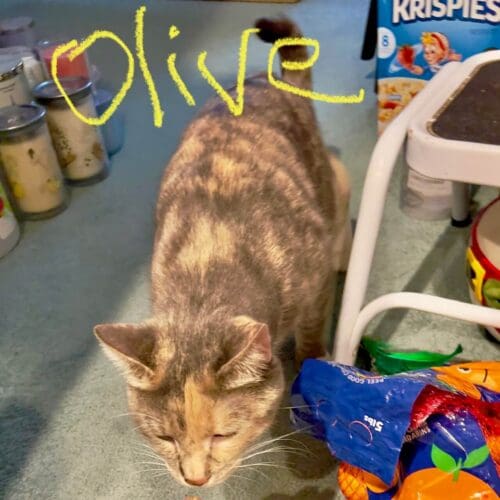
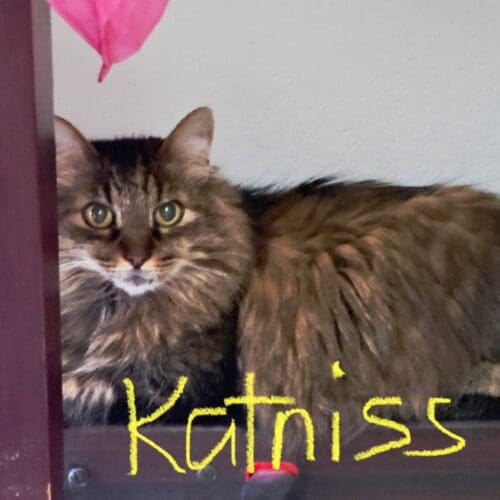
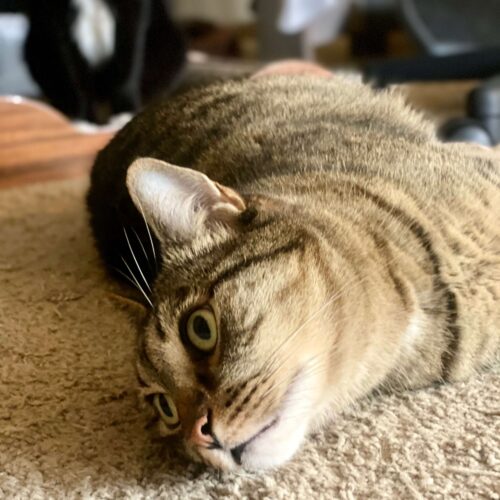
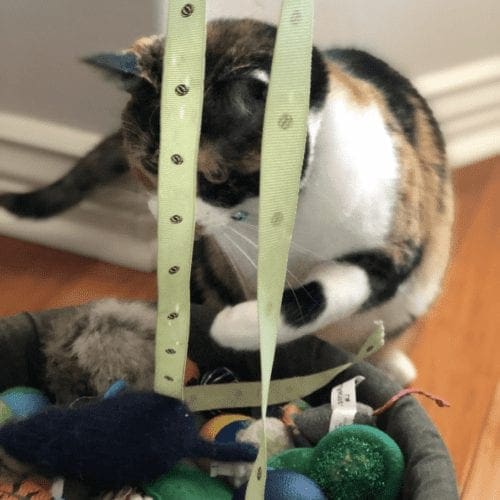
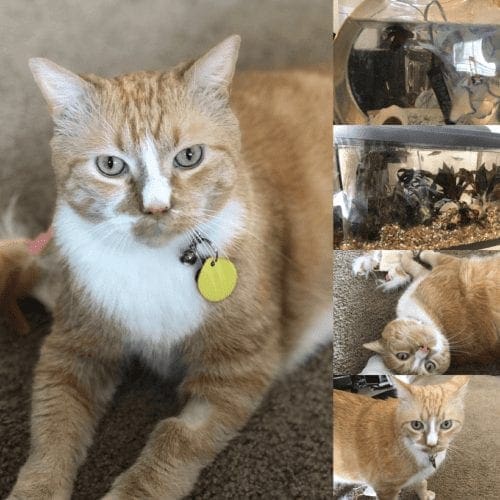
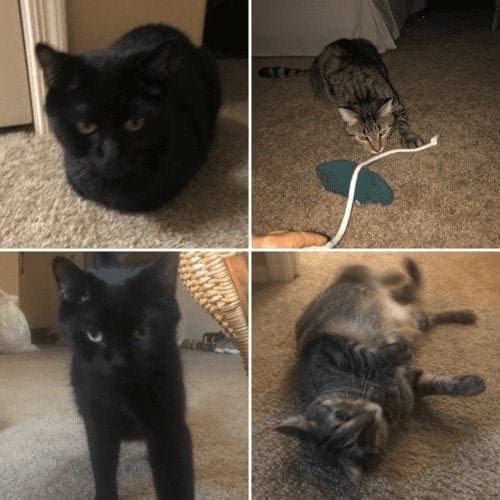
Dogs, puppies, and more senior dogs thrive on routine and regular interaction, which is why consistent visits are important while owners travel. Here are some of the puppy's and dog's the FurBabies & Friends pet care team has the pleasure of working with.
















































































































































































































































































How Long Can Dogs Safely Be Left Alone?
Many pet owners ask whether their dog can simply be left alone all day while they are away. The answer depends on the individual dog, but in most cases long stretches without care are not ideal.
Most adult dogs can physically hold their bladder for several hours, but that does not mean they should be left alone for extended periods.
Dogs are social animals. They rely on routine, interaction, and stimulation throughout the day.
According to the American Veterinary Medical Association, regular exercise, social interaction, and mental stimulation are essential for maintaining a dog’s physical and behavioral health.
When dogs are left alone too long, common problems may include:
• excessive barking
• chewing or destructive behavior
• separation anxiety
• indoor accidents
Regular visits from a pet sitter help break up long periods of isolation. They also provide mental stimulation and reassurance that someone is checking on the dog.
Professional pet sitters also watch for issues that pet owners cannot see while they are away. Illness, injuries, or environmental problems can develop unexpectedly, and having someone regularly check on the dog adds an important layer of safety.
What If My Dog Has a Doggie Door?
Some pet owners assume that if their dog has access to a doggie door and fenced yard, they may not need a pet sitter to visit very often. While doggie doors can provide flexibility for bathroom breaks, they do not replace the need for regular check-ins.
Dogs with doggie doors still rely on people for several important parts of their daily routine, including:
• meals and fresh water
• companionship and mental stimulation
• monitoring health and behavior
• ensuring the home environment remains safe
Even with a doggie door, we typically recommend at least two visits per day for dogs while their families are away.
These visits allow a sitter to confirm the dog is eating normally, has access to fresh water, and is behaving as expected.
Real Life Example
During one visit, we arrived to check on a senior dog with access to a doggie door. Unfortunately, the dog had become stuck outside and could not get back into the house.
Since a visit was already planned, we were able to bring the dog inside safely. In the middle of an Arizona summer, that situation could have quickly become dangerous.
Doggie doors can create unexpected risks
Many pet owners assume that a dog will always be able to move freely between the house and yard. In reality, unexpected situations can happen.
During one pet sitting visit, we arrived to care for a senior dog that had a doggie door and fenced yard. When we arrived, we discovered the dog had become stuck outside and was unable to get back into the house.
In the middle of an Arizona summer, this situation could have quickly become dangerous. Fortunately, because a visit was scheduled, we were able to bring the dog inside and ensure he was safe.
Situations like this highlight why regular visits still matter, even when dogs have outdoor access.
Supervision still protects your dog and your home
Regular visits allow a pet sitter to check for issues that pet owners would not be able to see while traveling.
These may include:
• signs of illness or injury
• food or water bowls that need refilling
• doors or gates that may have been left open
• environmental hazards around the home
Professional pet sitters also help maintain your dog’s normal routine, which reduces stress and helps pets feel more comfortable while their families are away.
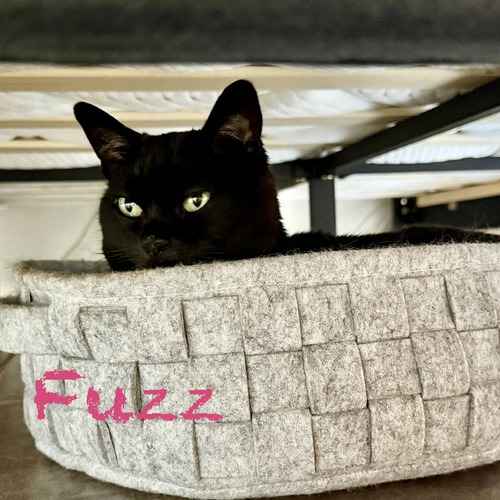
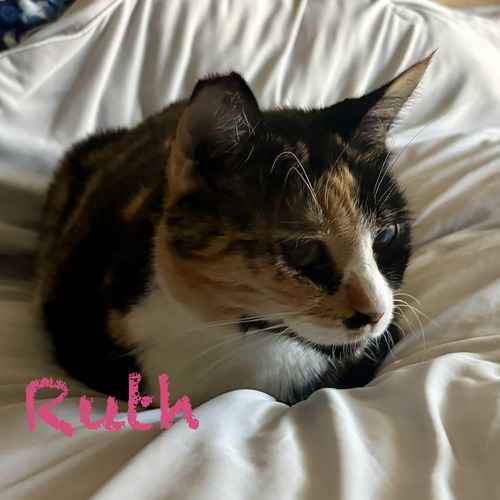
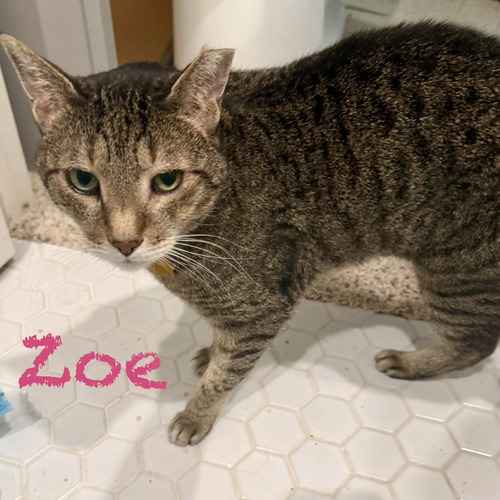
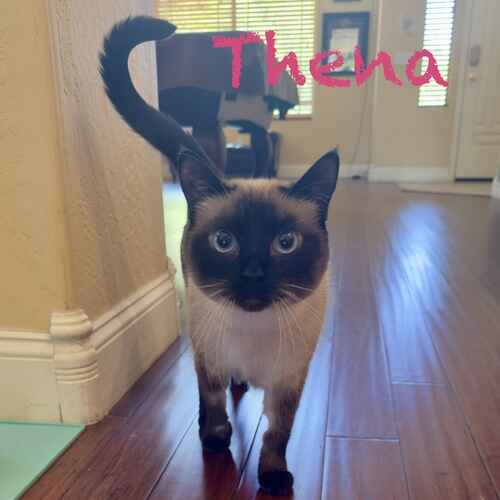
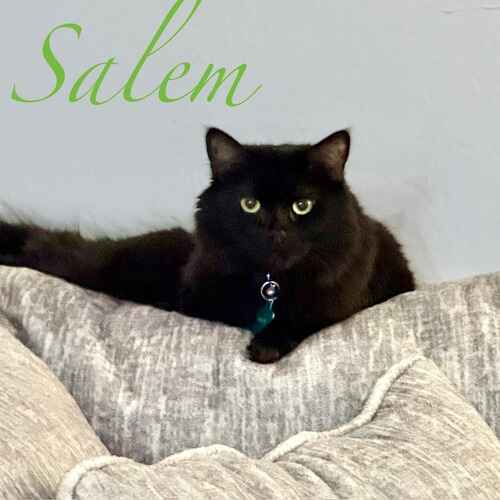
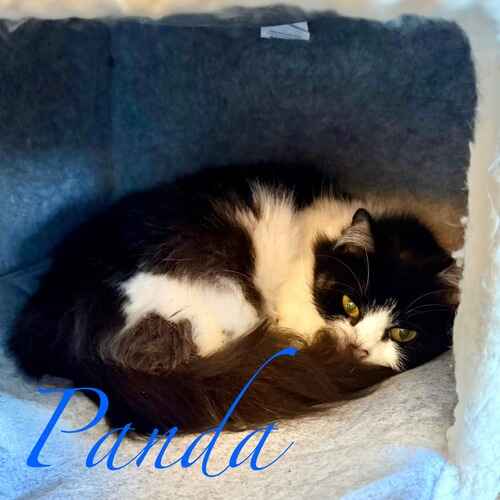
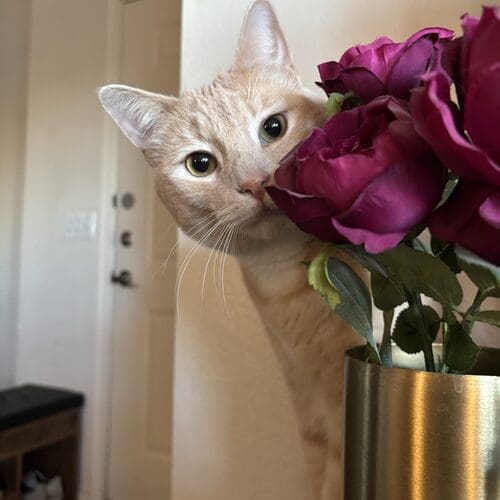
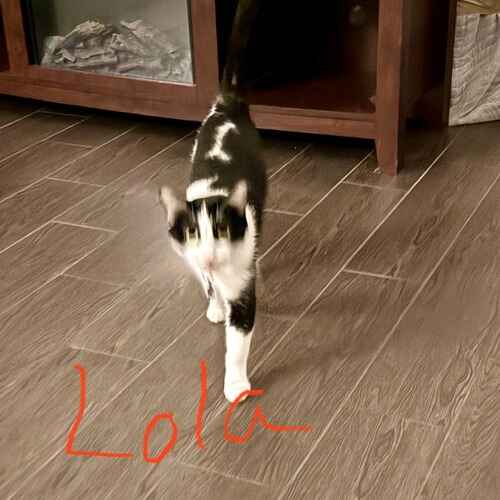
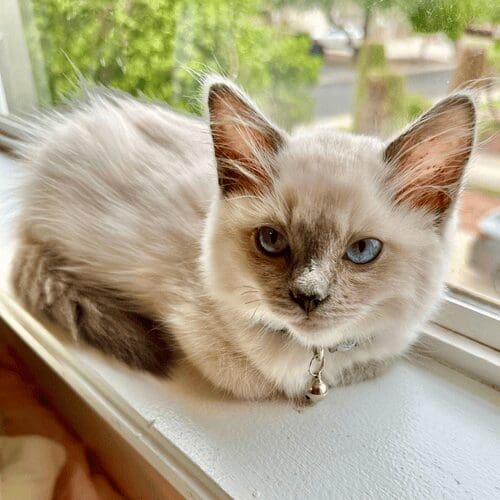
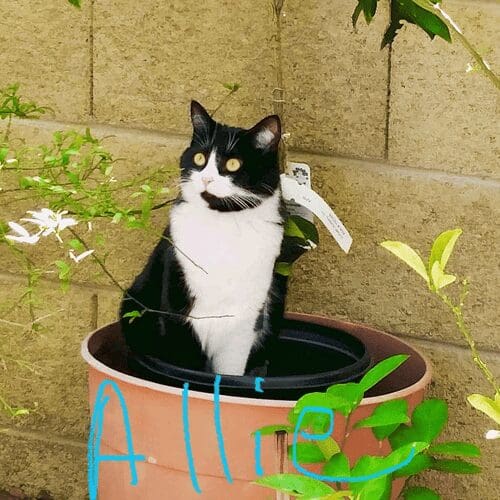
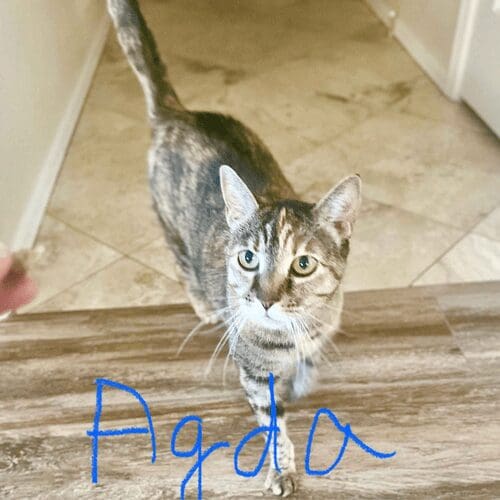
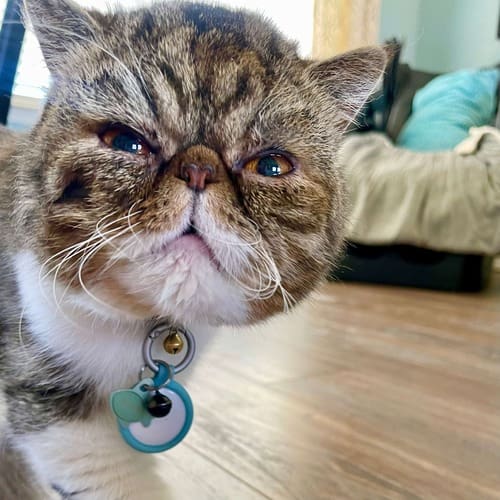
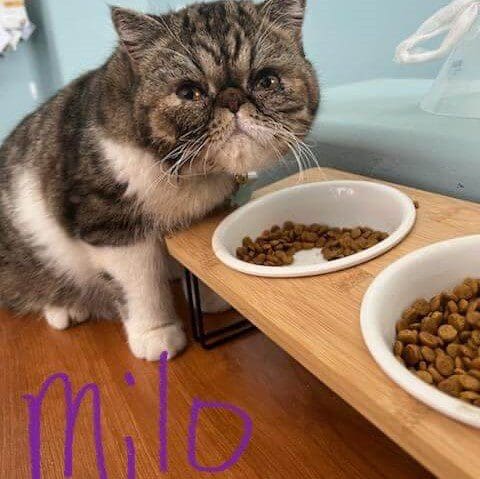
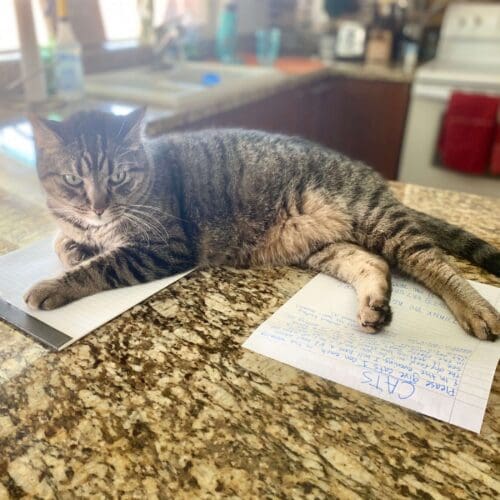
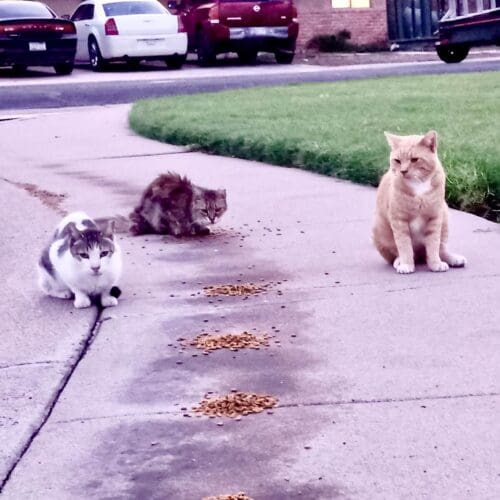
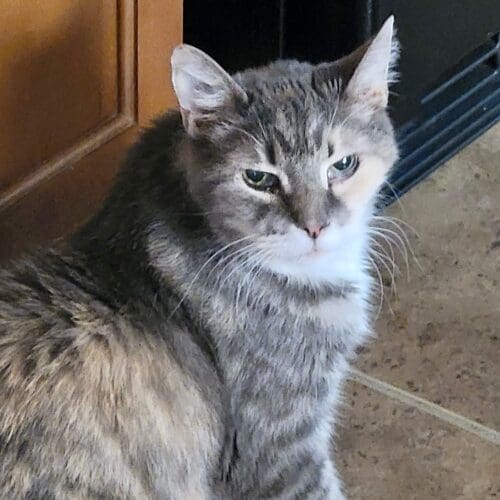
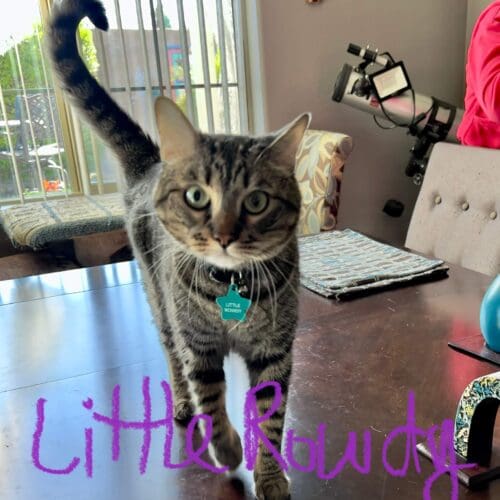
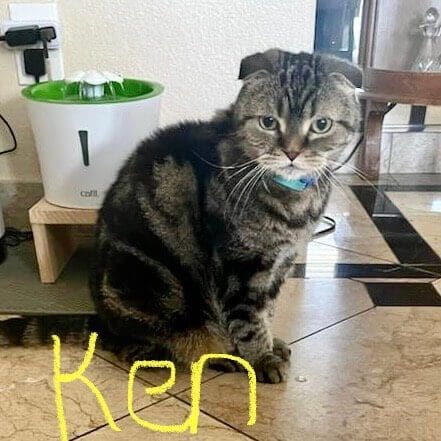
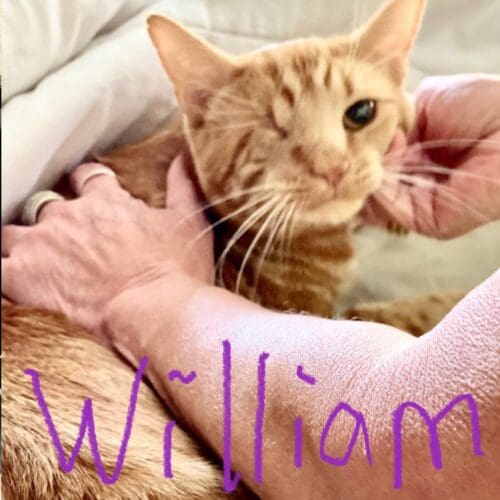
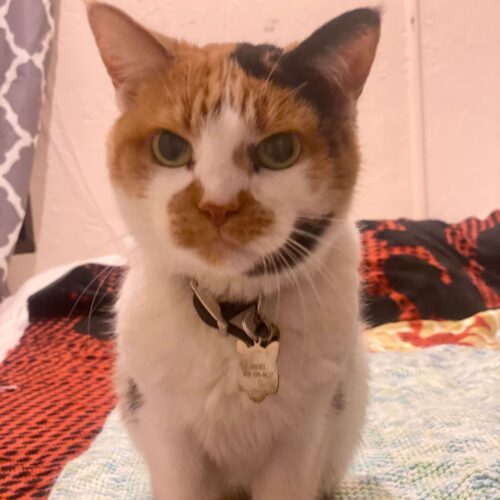
How Often Should a Cat Be Visited by a Pet Sitter?
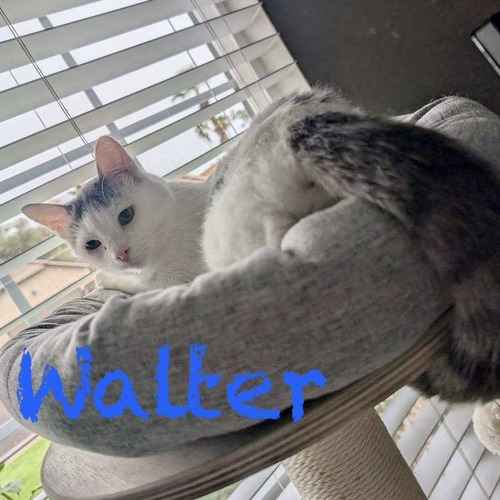
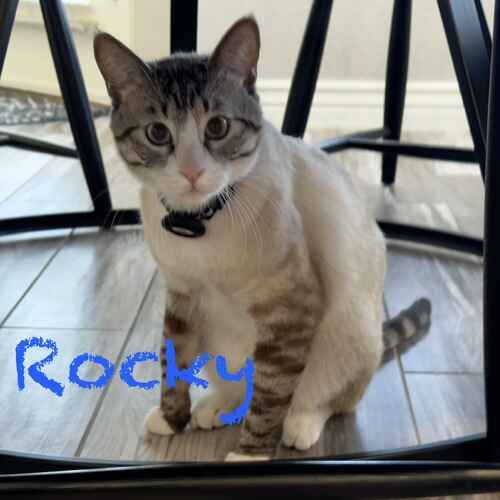
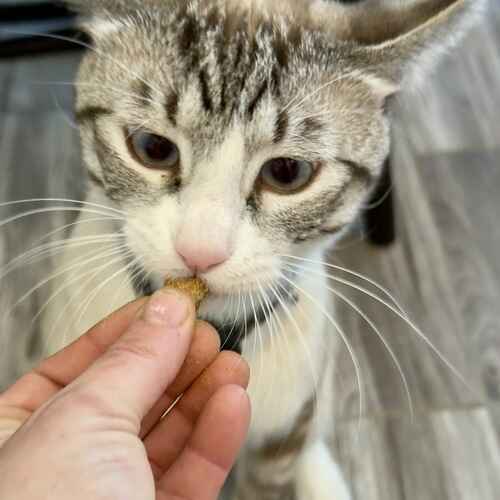
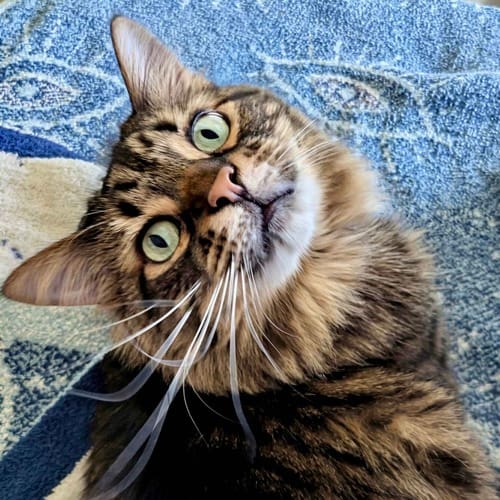
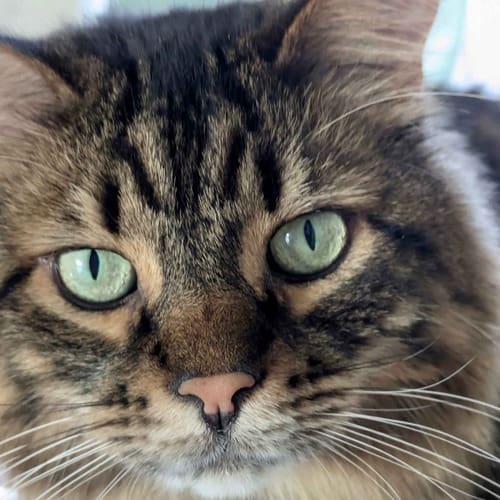
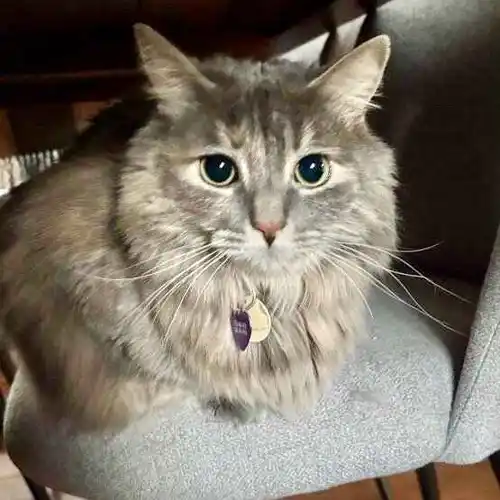
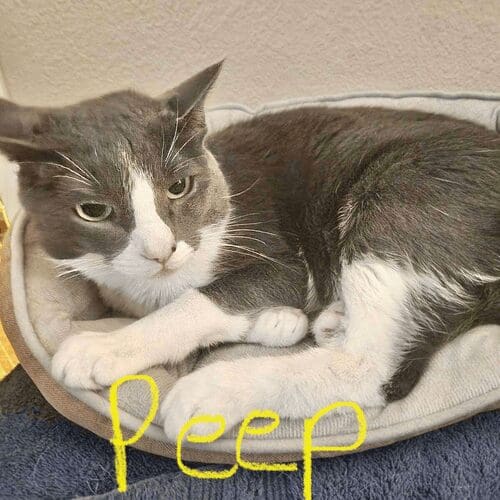
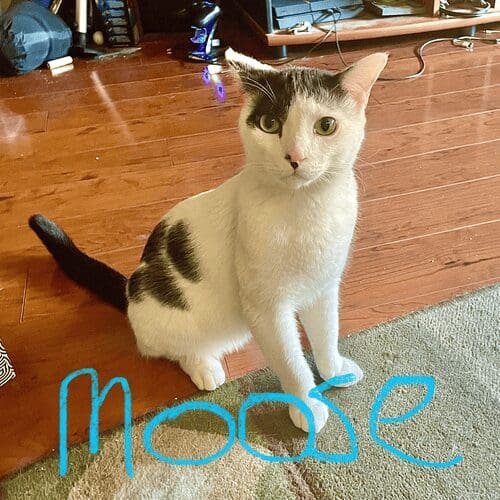
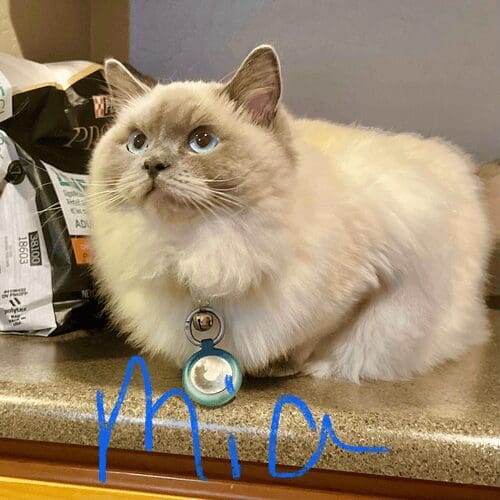
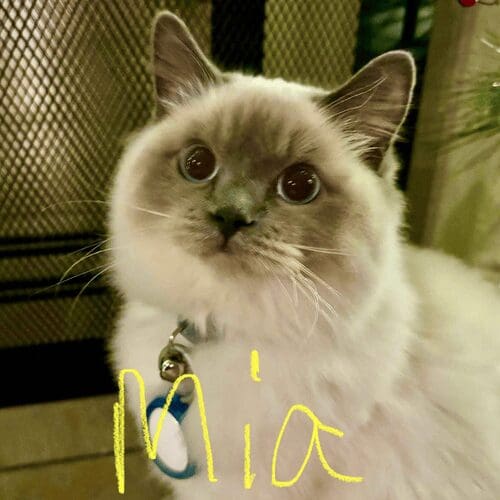
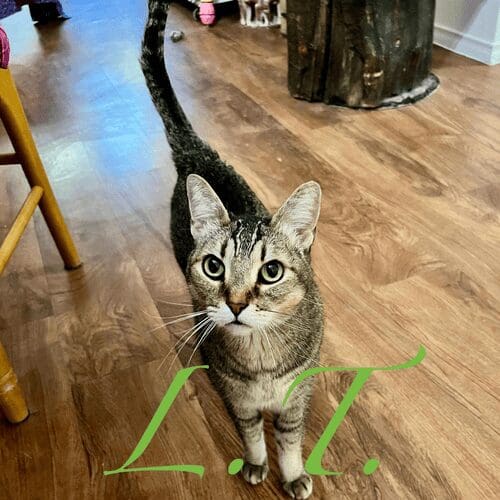
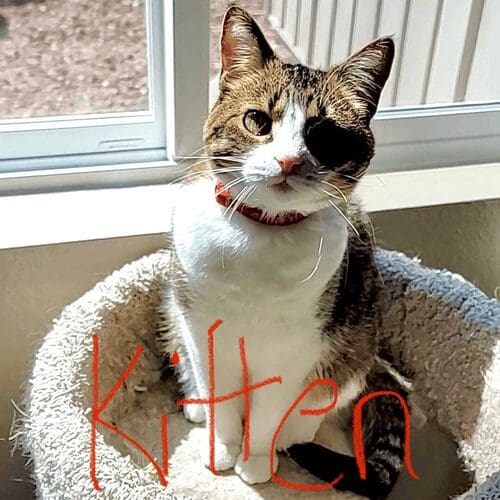
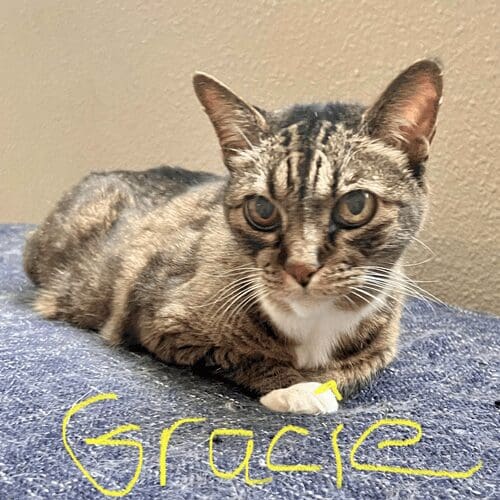
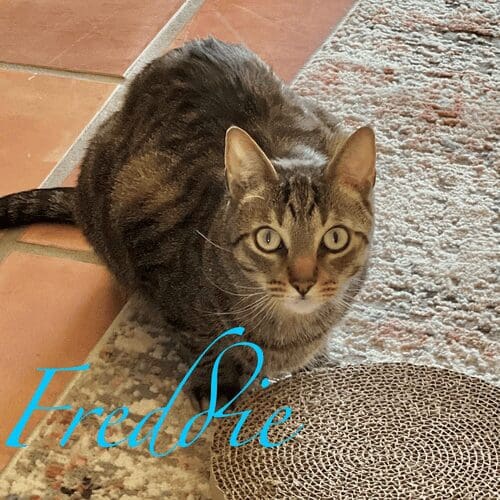
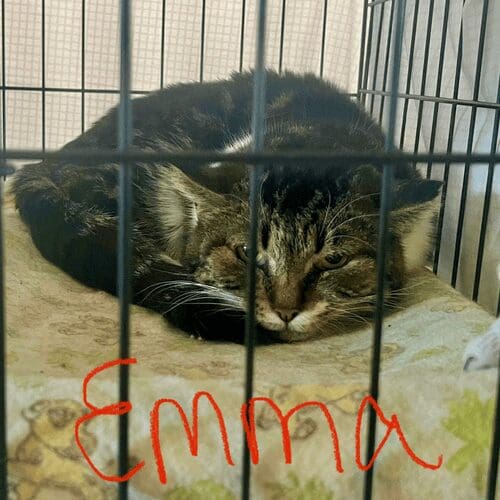
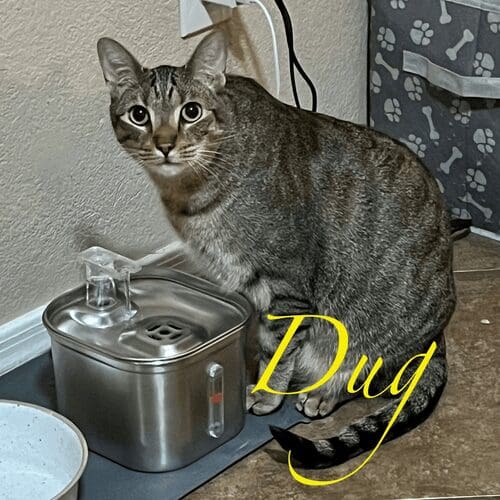
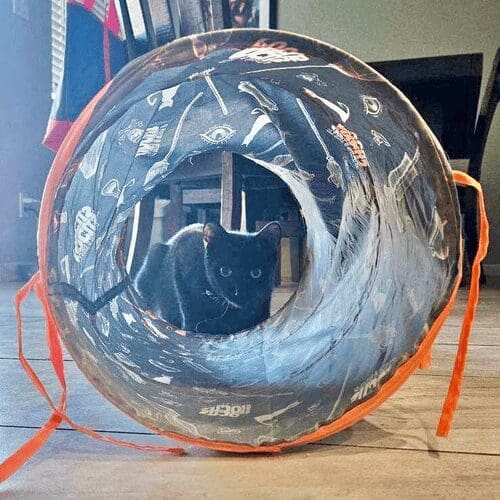
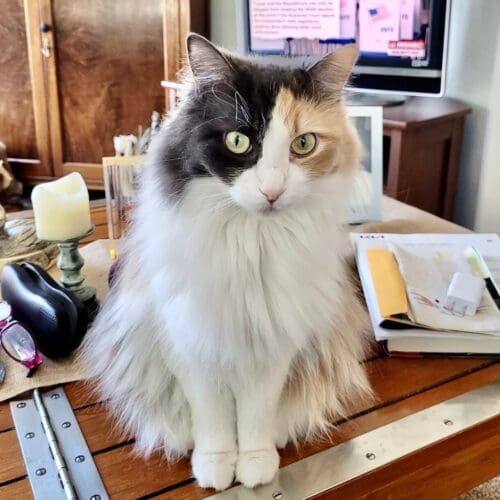
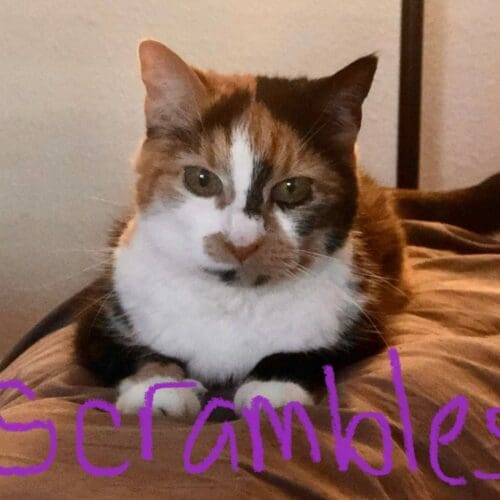
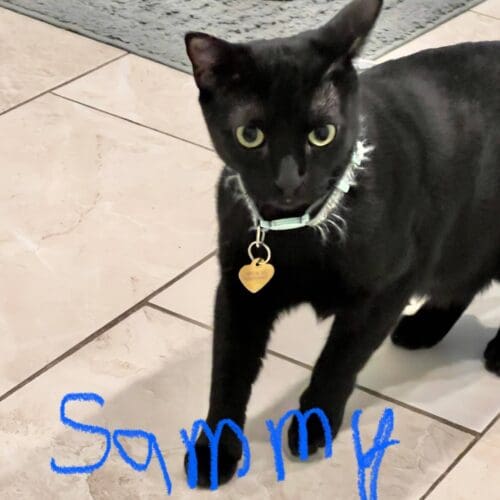
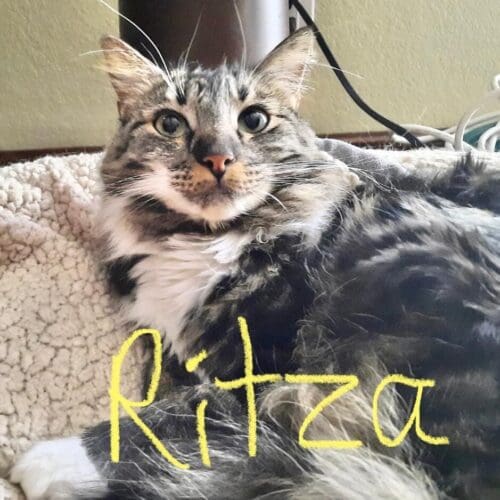
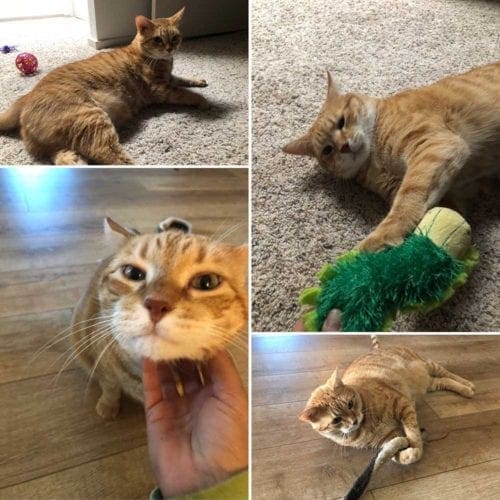
Cats are often more independent than dogs, but they still require regular care while their families are away. Food, fresh water, litter box maintenance, and basic health monitoring are all essential parts of responsible cat care.
For most cats, we recommend at least one visit every other day from a professional pet sitter.
These visits allow a sitter to:
• refresh food and water
• clean the litter box
• check for signs of illness or injury
• provide companionship and enrichment
Even independent cats benefit from periodic human interaction, especially if their family will be away for several days.
Why regular check-ins matter for cats
Cats are very good at hiding illness or discomfort. Because of this, changes in behavior, appetite, or litter box habits may be the first sign that something is wrong.
Regular visits allow a sitter to notice changes early and contact the owner if needed.
According to the American Veterinary Medical Association, cats should be monitored regularly for changes in eating habits, litter box use, grooming behavior, and activity level, as these can indicate underlying health problems.
Food, water, and litter boxes still require attention
Some pet owners attempt to prepare for travel by leaving out large amounts of food and water. While this may seem convenient, it can create several problems.
Food may spoil or attract insects. Water bowls can be tipped over or become contaminated. Litter boxes can become full quickly, which may cause a cat to avoid using them.
The Humane Society of the United States also recommends that cats receive daily care, including fresh food, clean water, and litter box maintenance.
Cats benefit from familiar environments
Many cats experience stress when removed from their home environment. Because of this, many pet owners prefer in-home pet sitting rather than boarding facilities.
Allowing cats to remain in their familiar surroundings helps maintain their normal routine and reduces anxiety while their families travel.
Regular visits from a pet sitter provide both care and reassurance while allowing cats to stay comfortable in their own home.















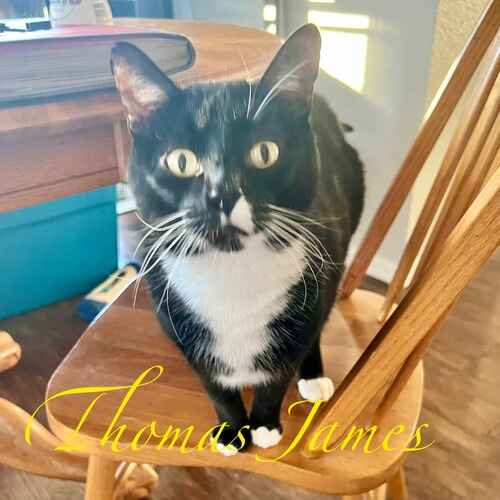


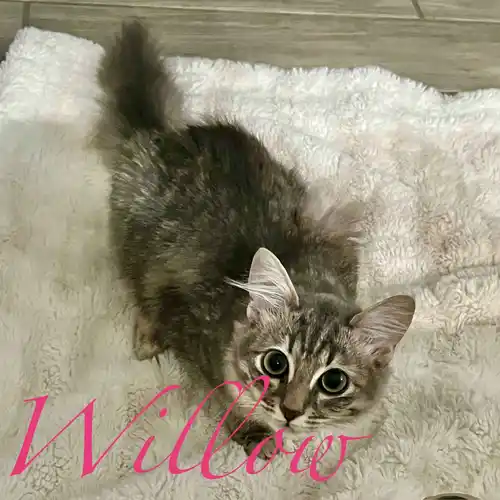
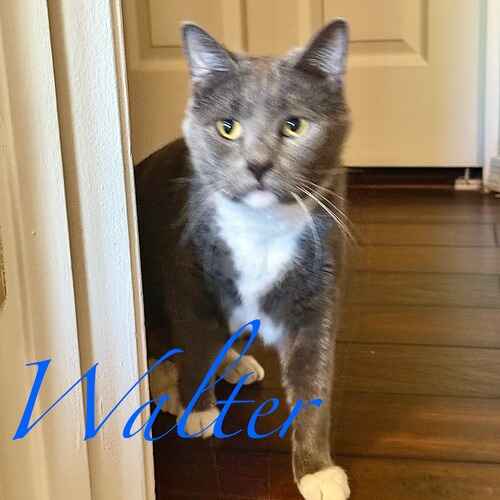

































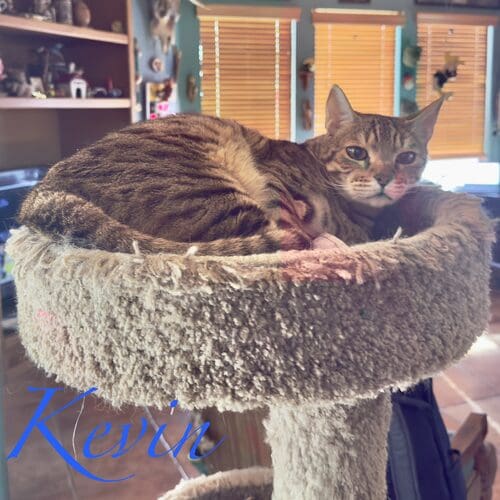








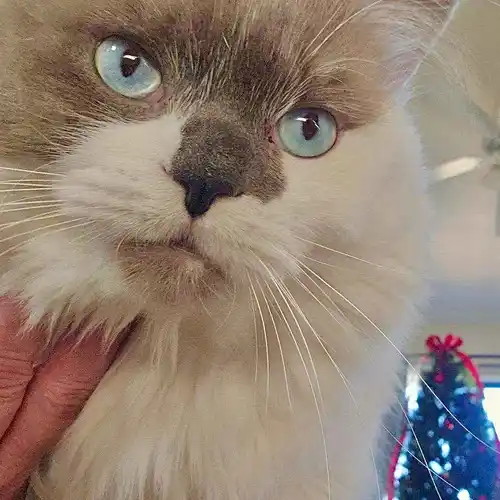








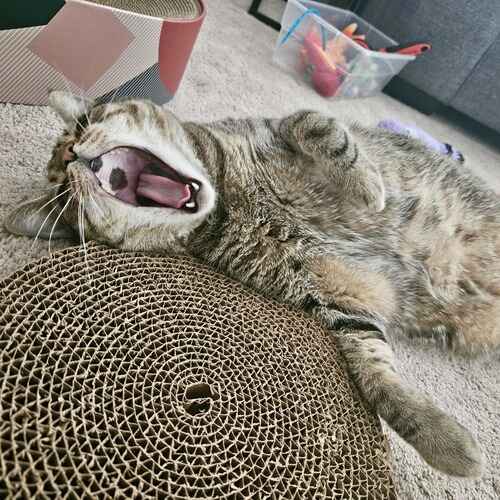

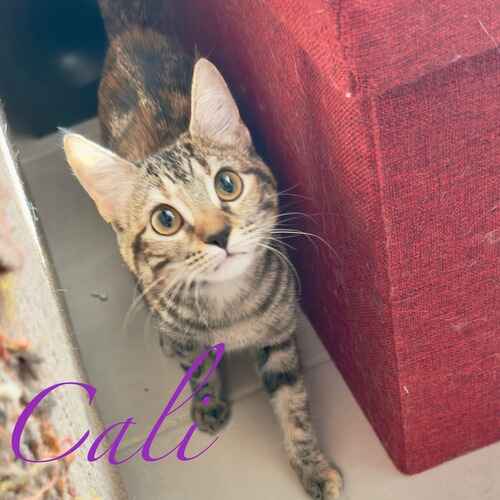





































































































































































































What About Other Household Pets?
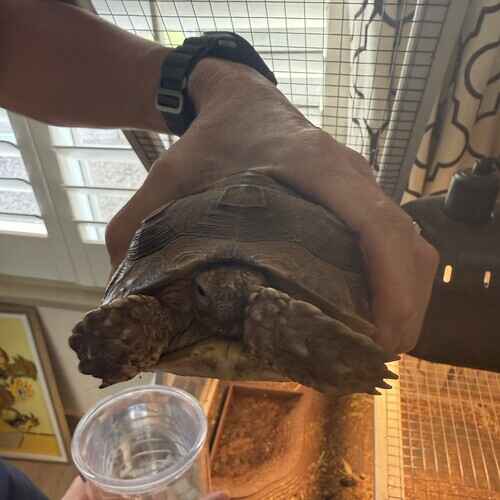
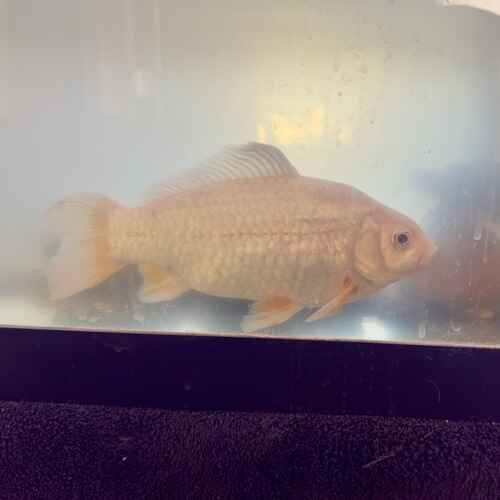
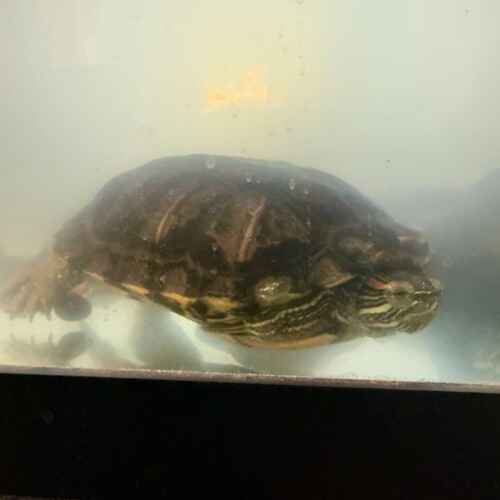
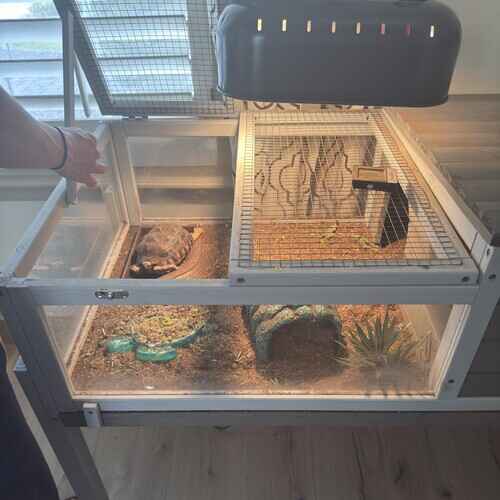
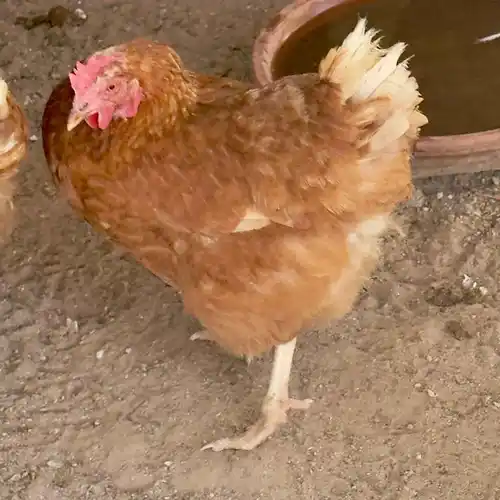
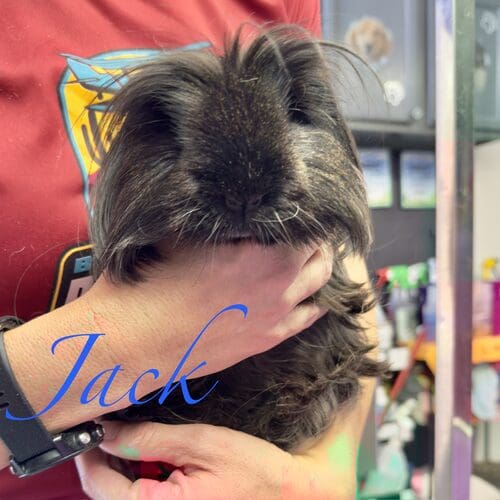
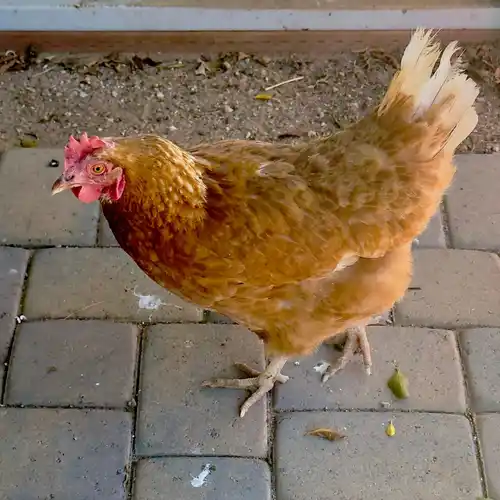
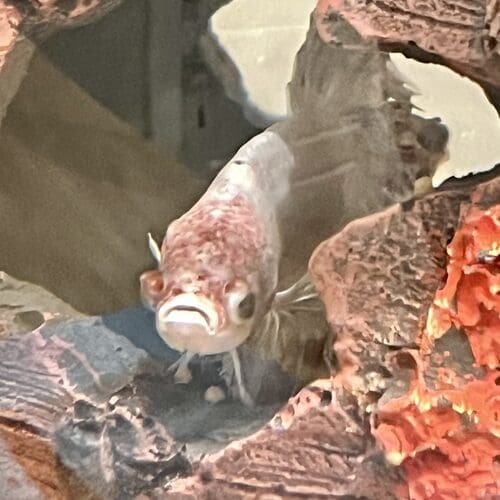
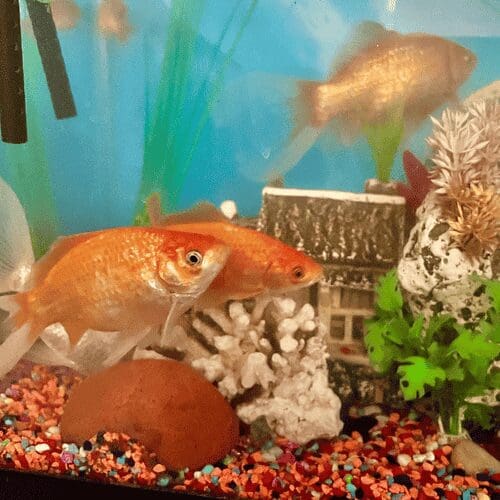
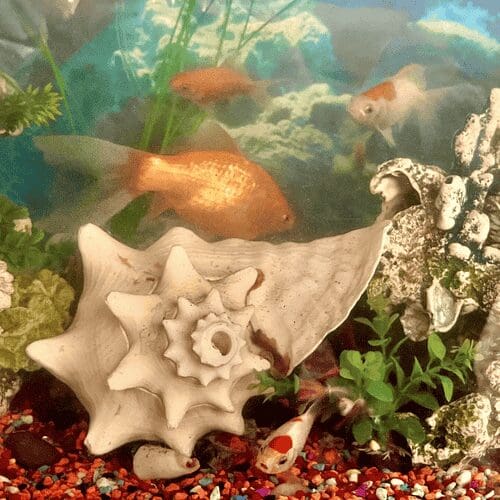
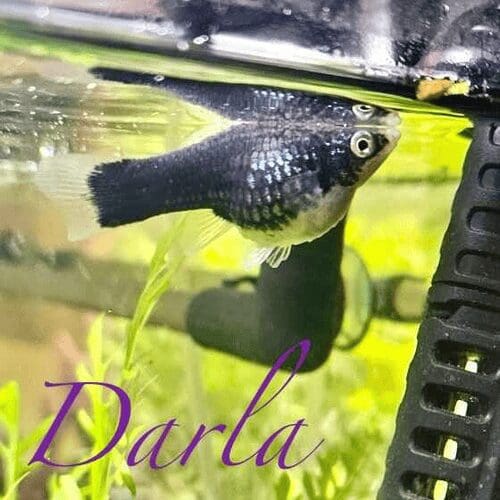
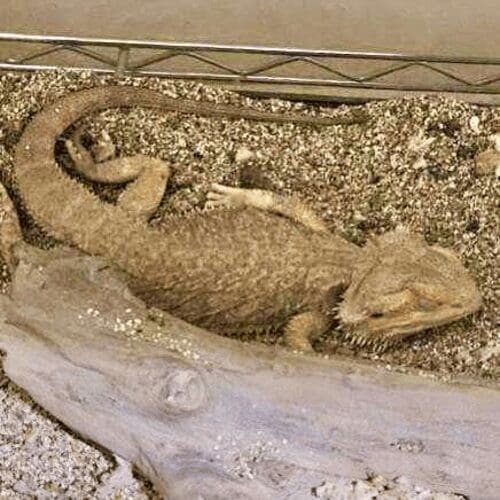
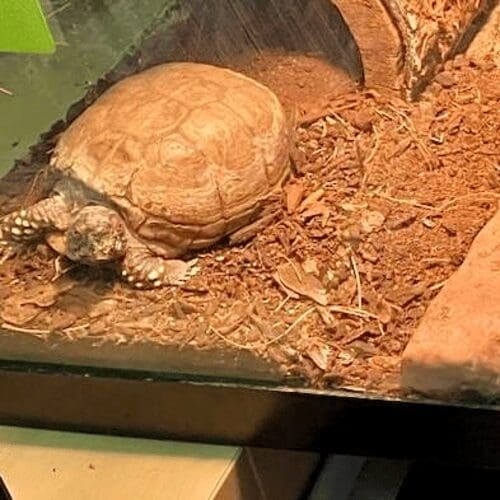
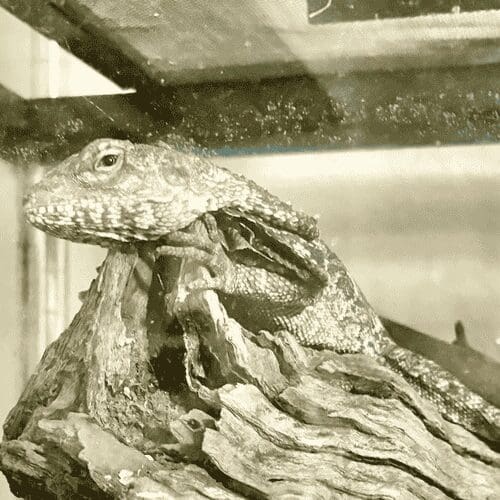
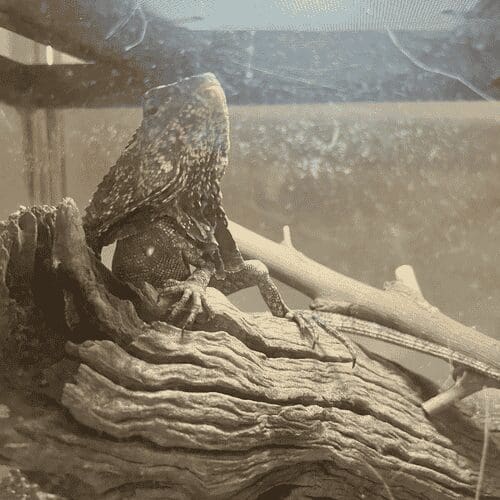
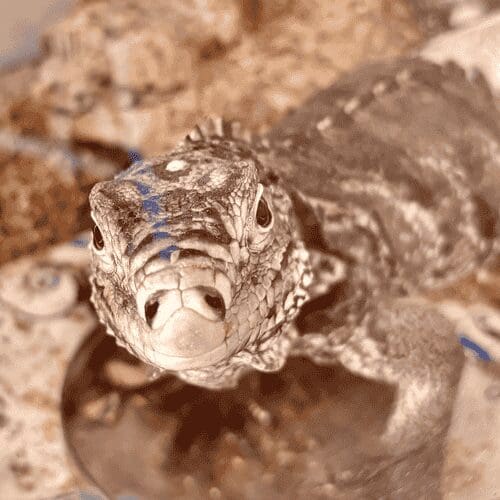
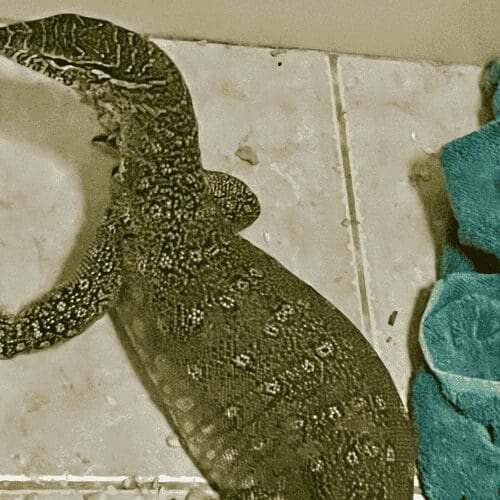
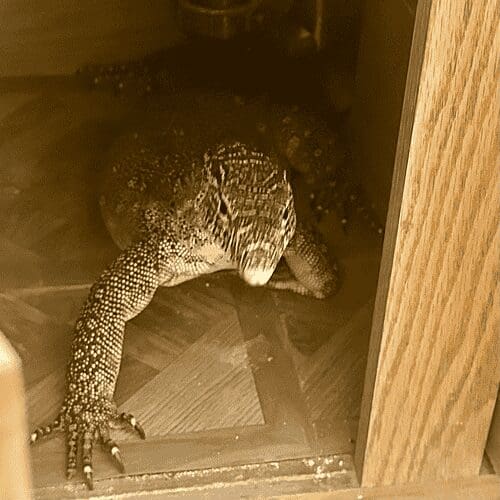
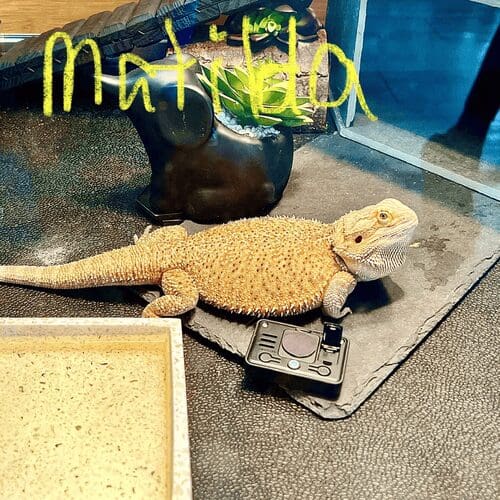
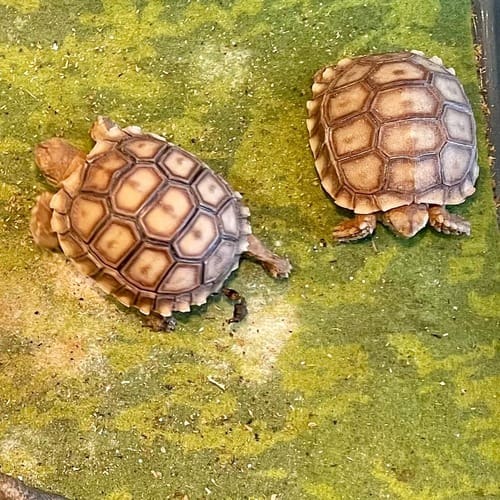
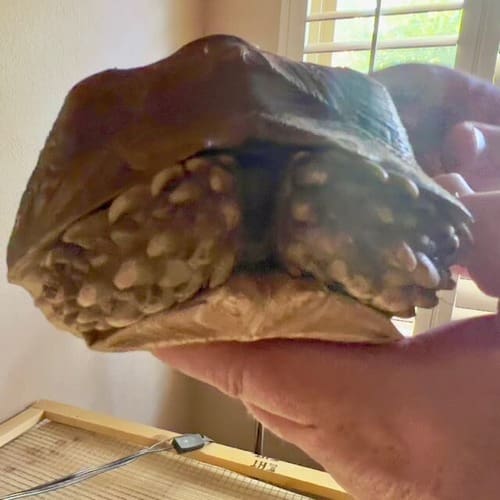
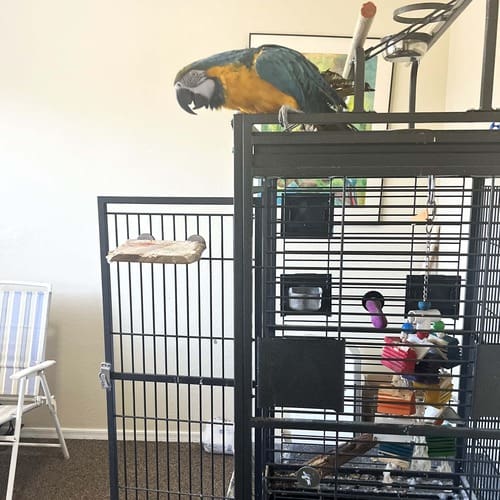
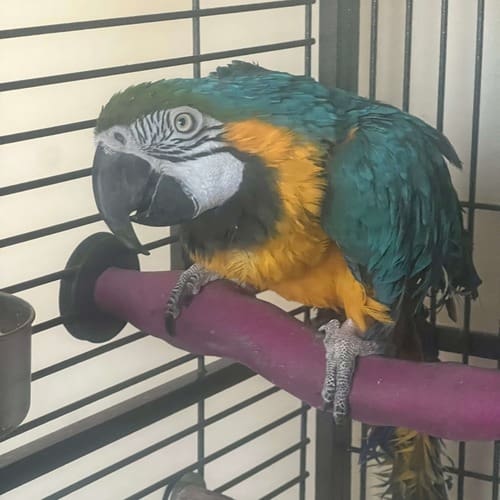
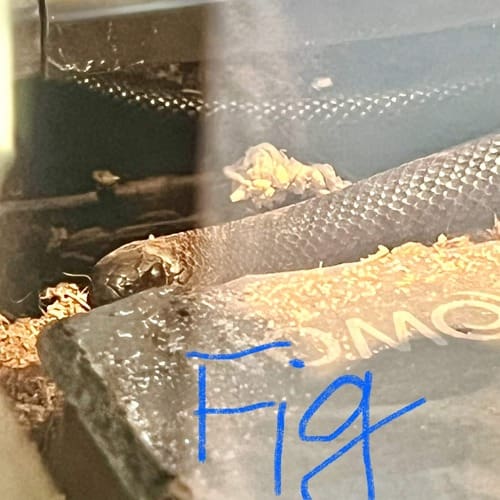
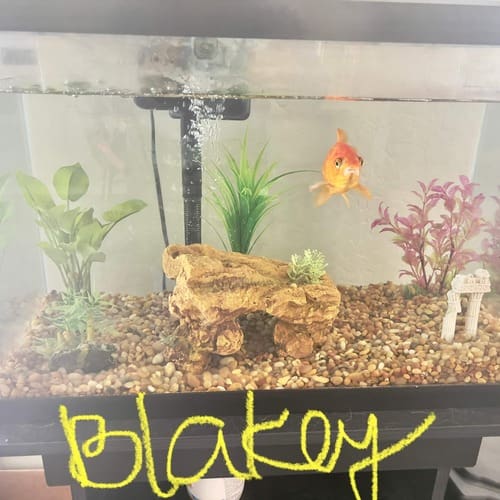
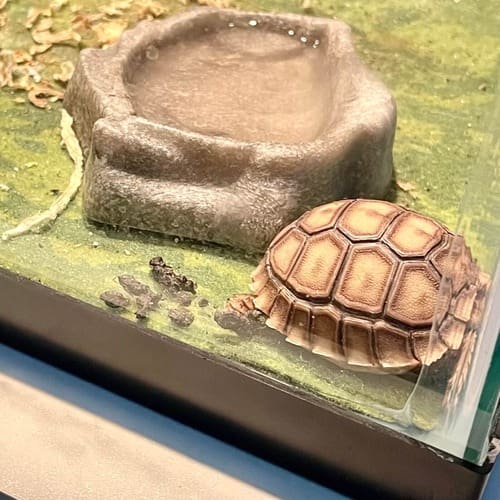
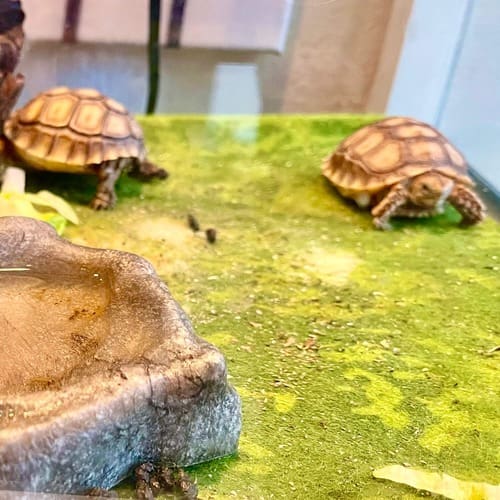
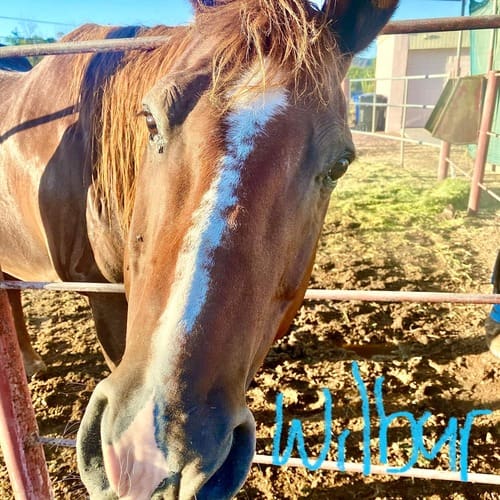
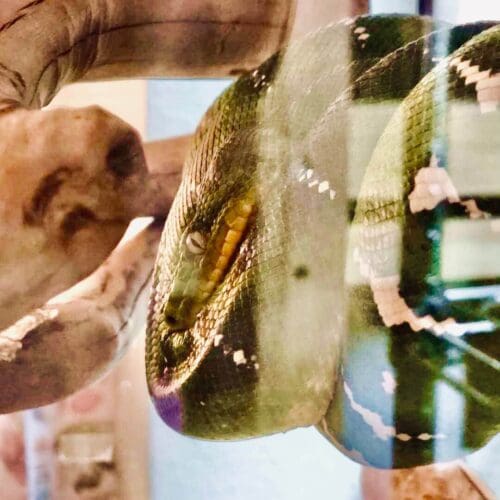
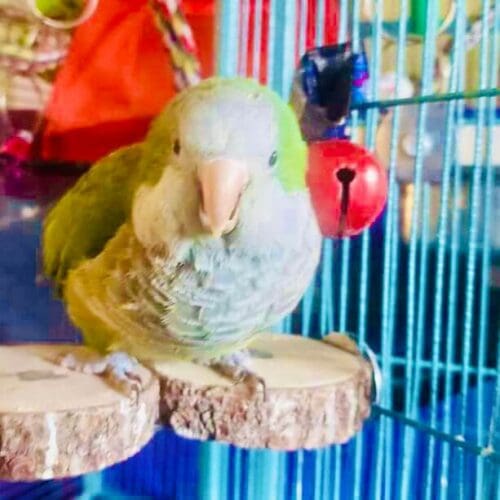
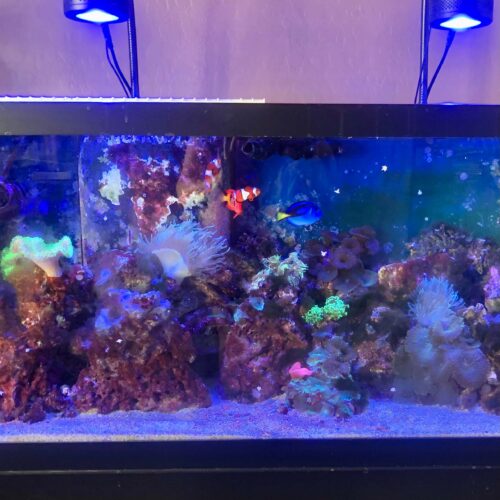
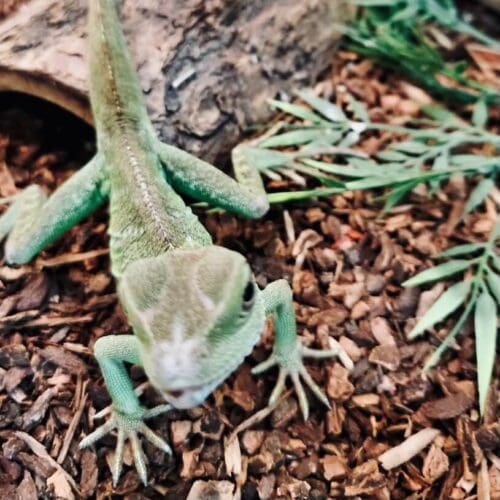
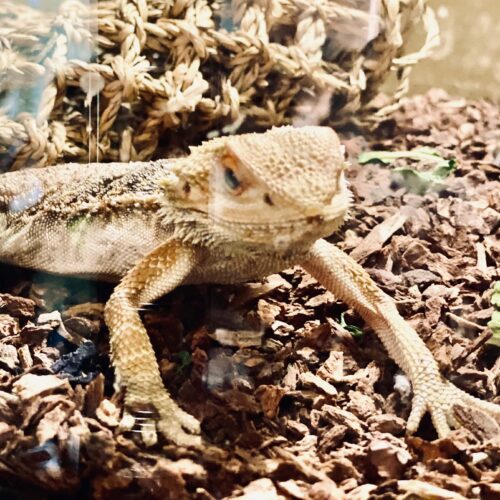
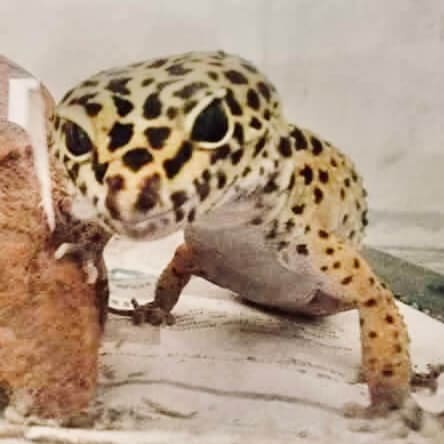
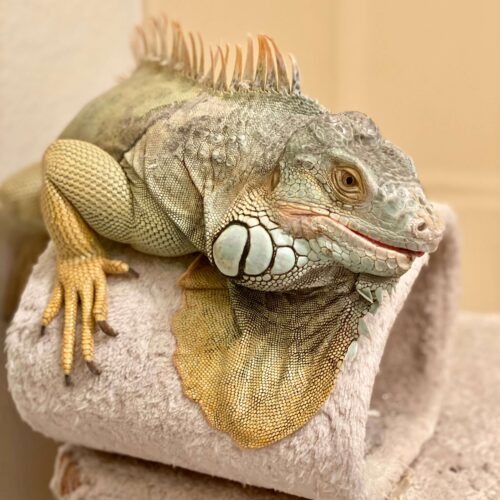
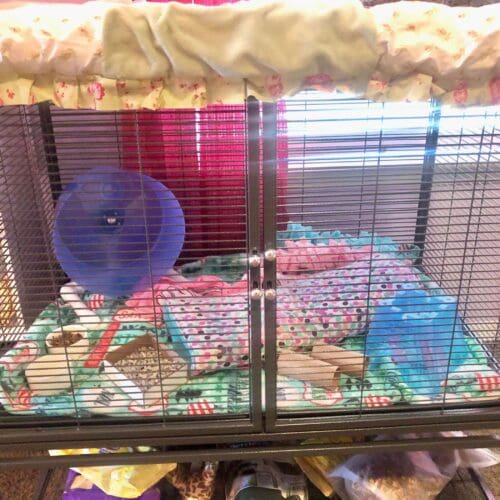
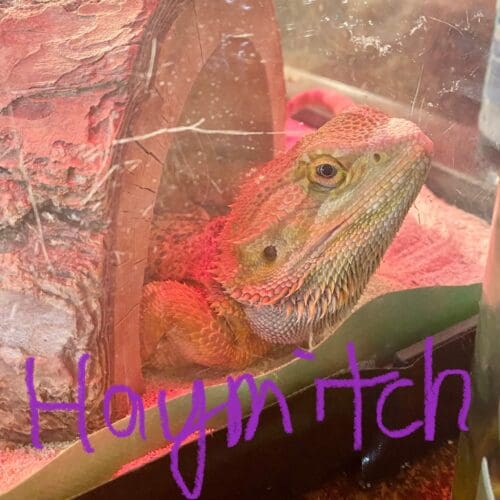
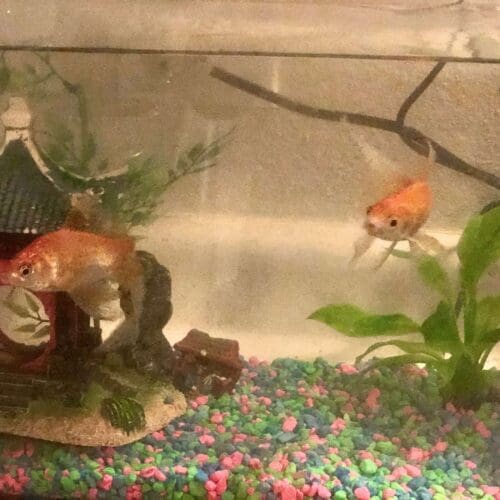
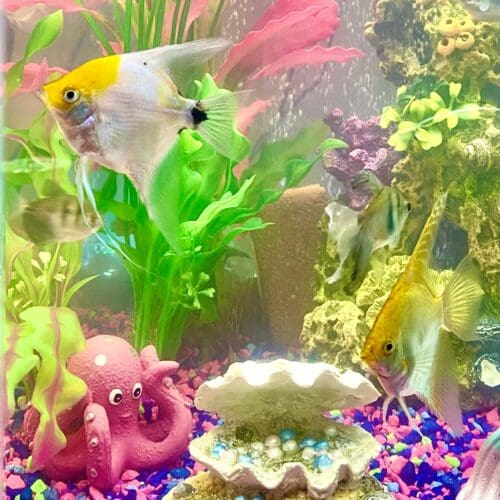
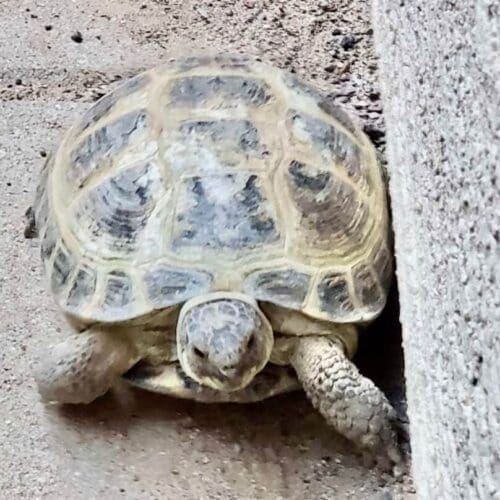
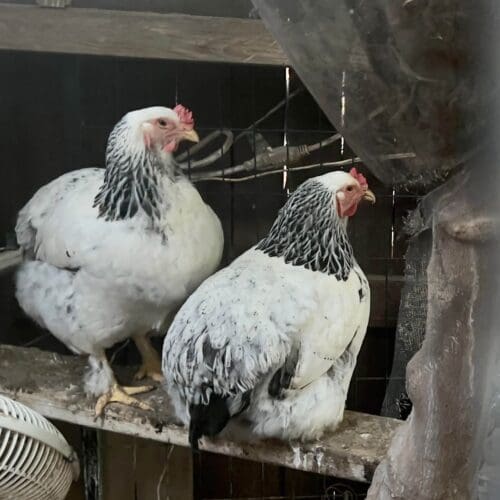
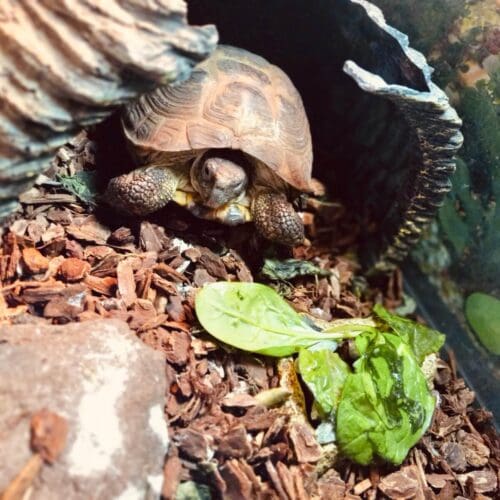
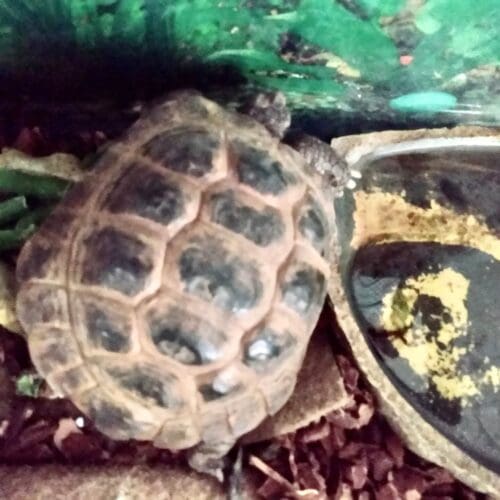
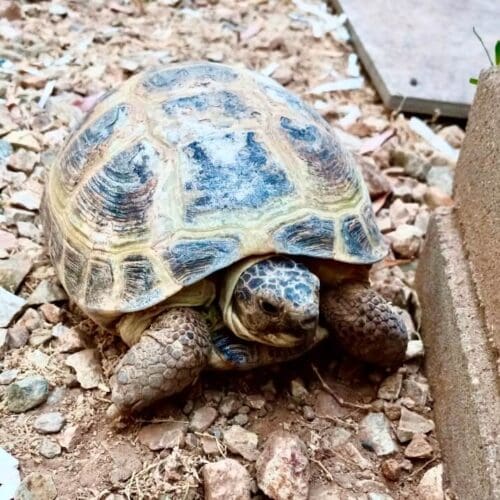
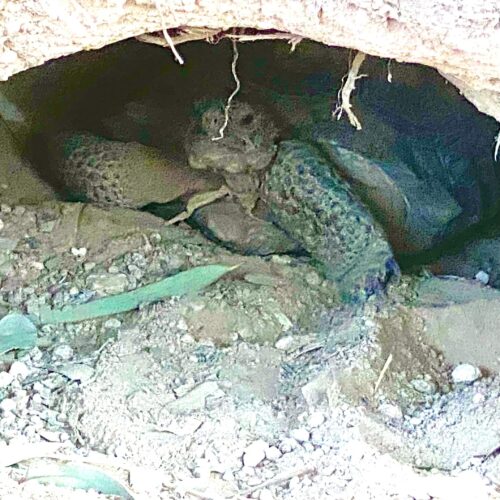
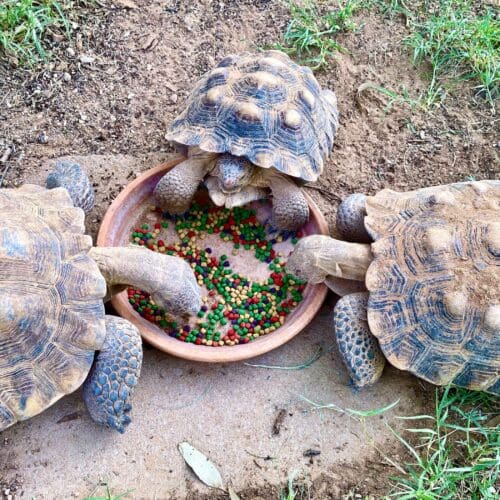
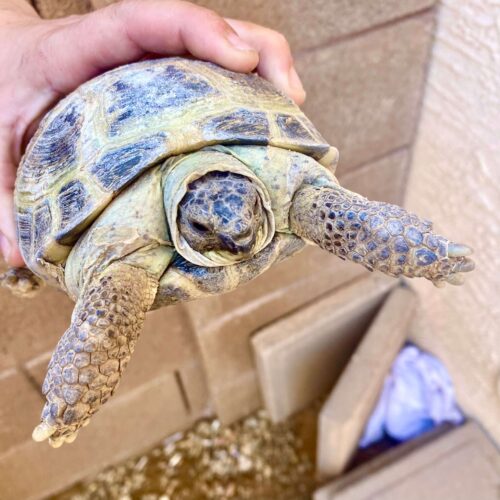
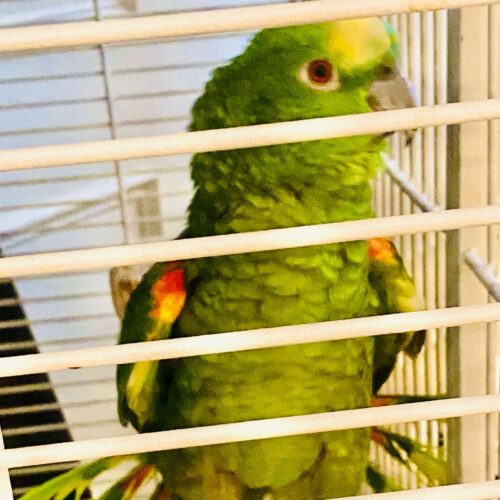
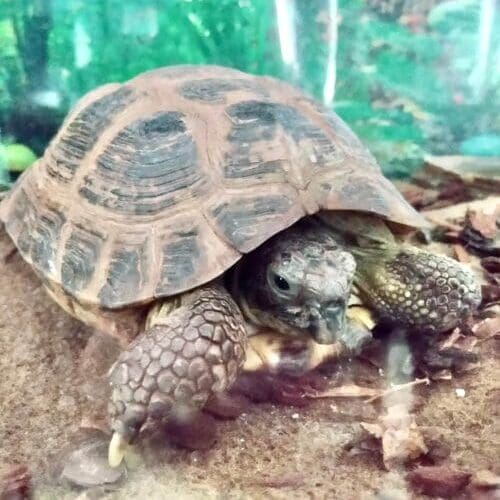
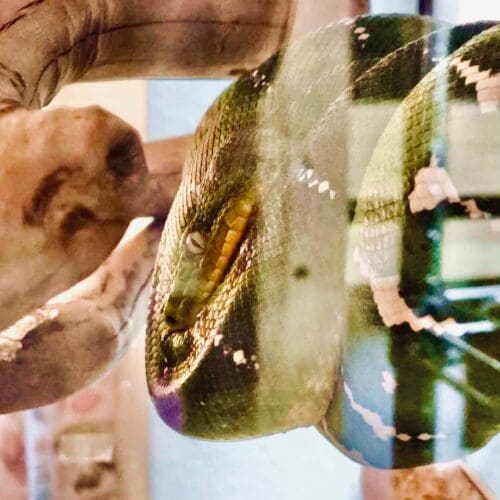
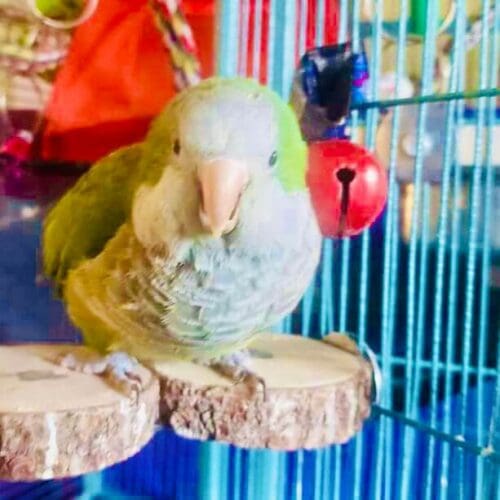
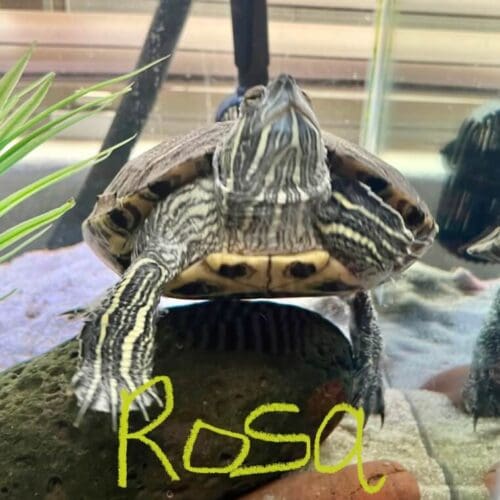
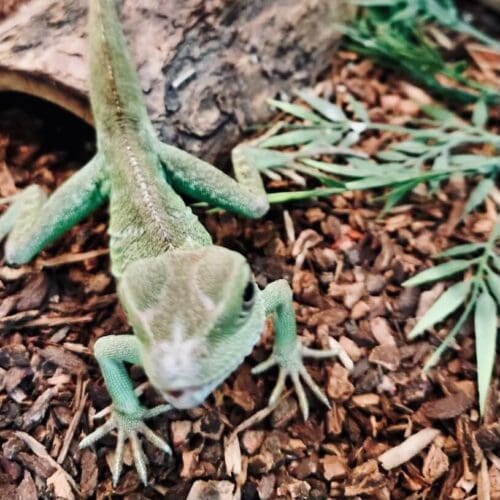
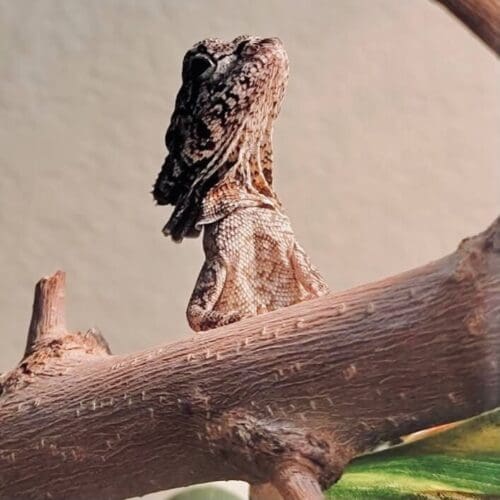
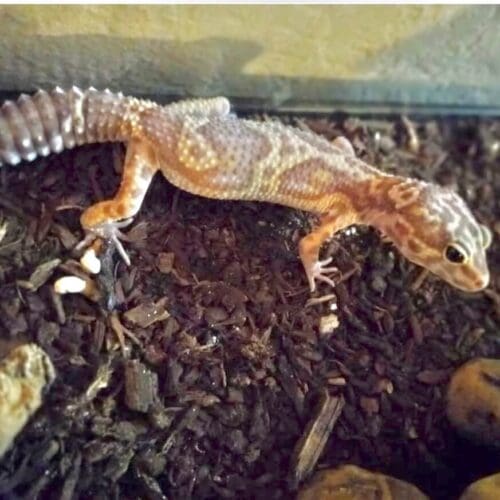
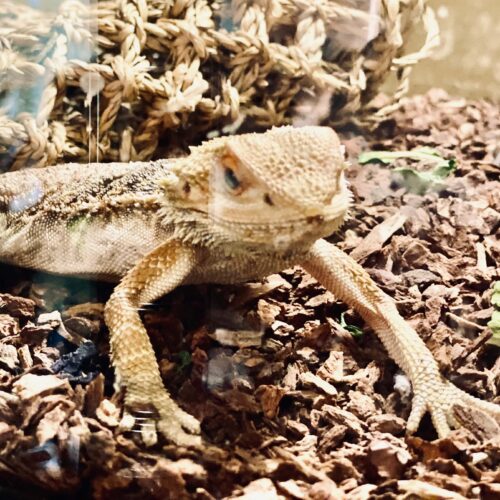
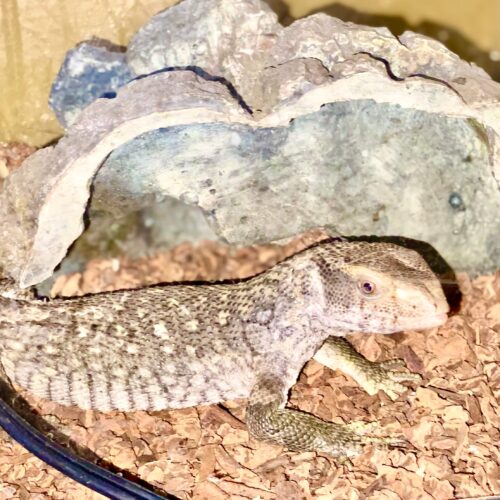
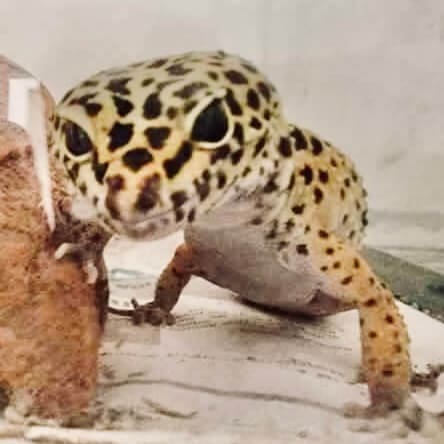
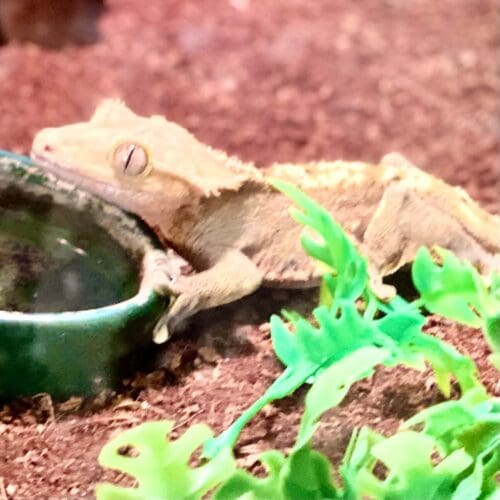
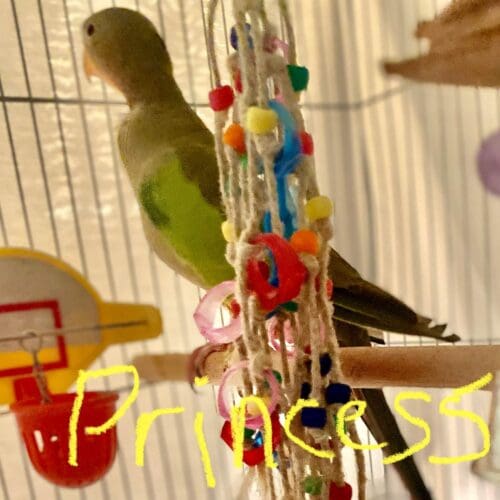
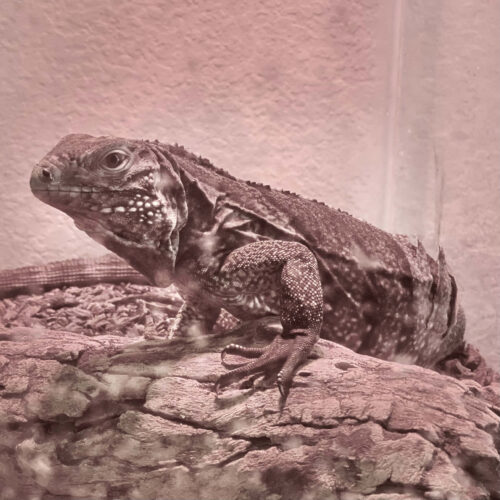
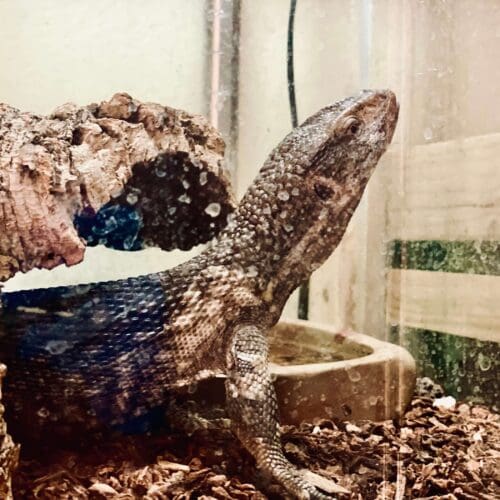
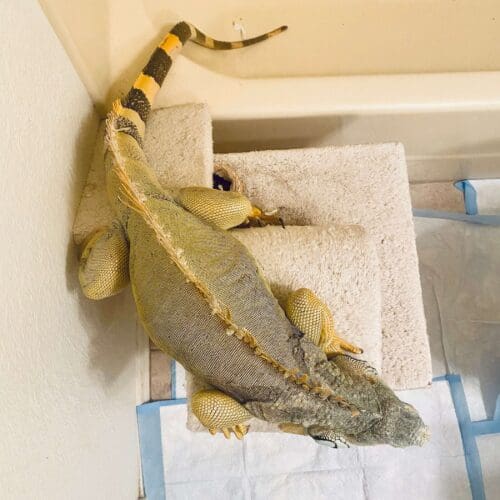
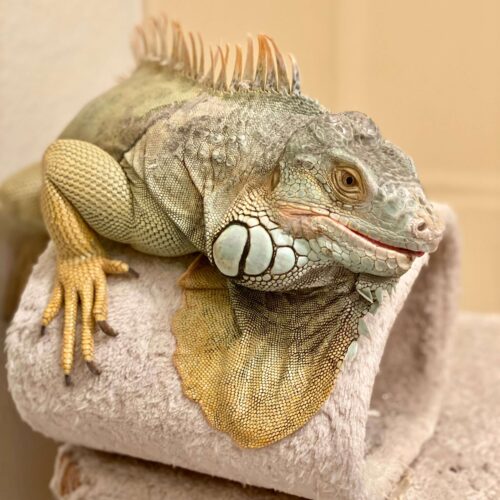
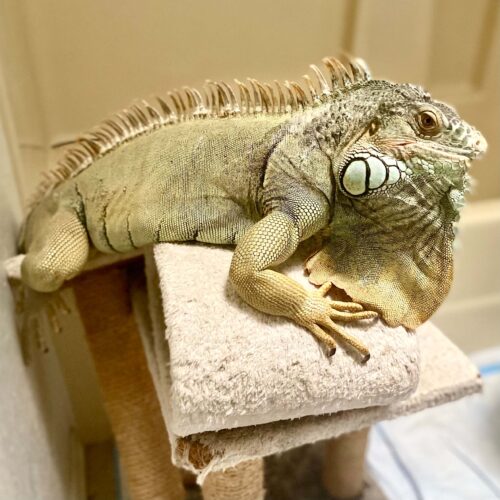
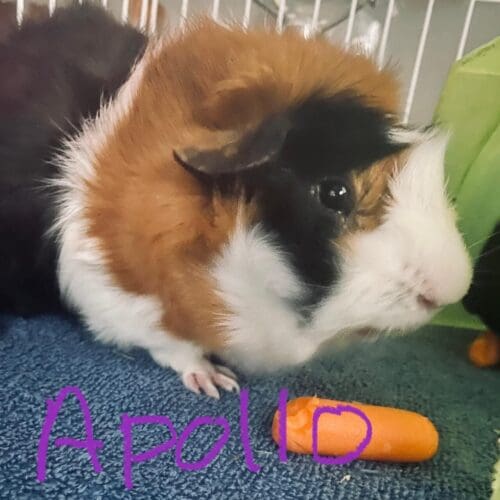
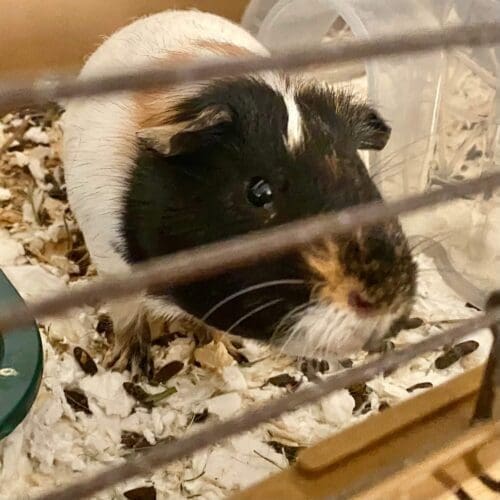
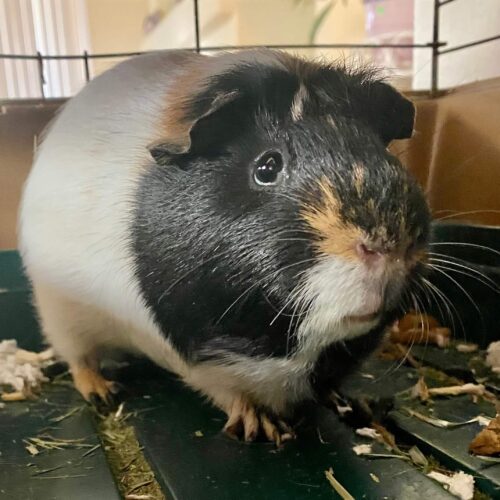
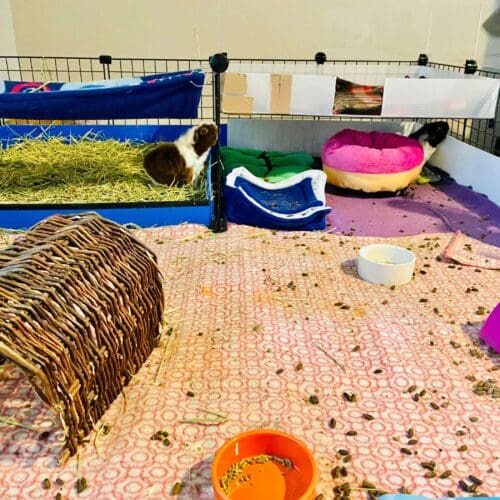
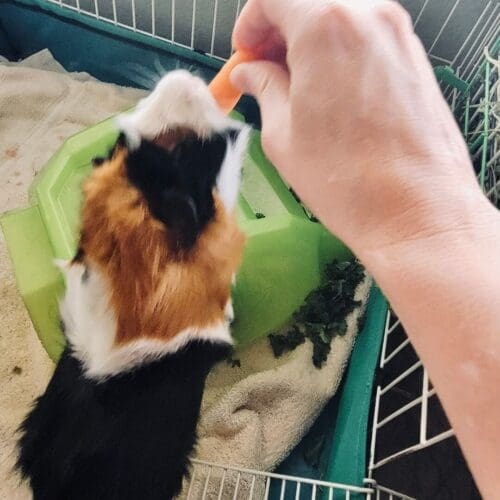
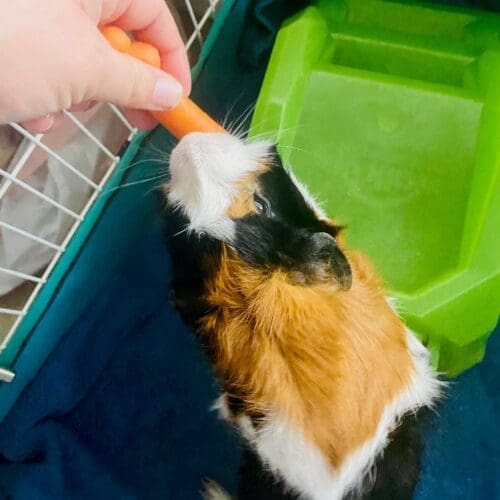
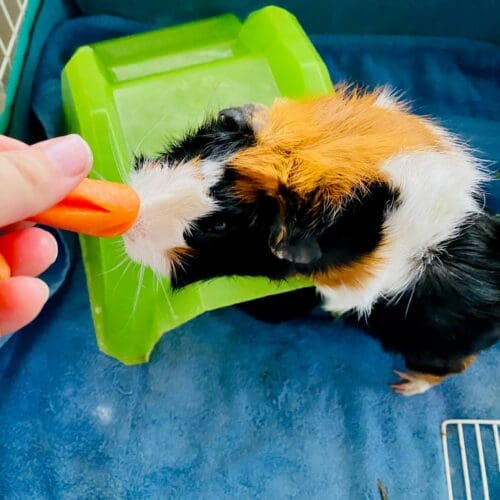
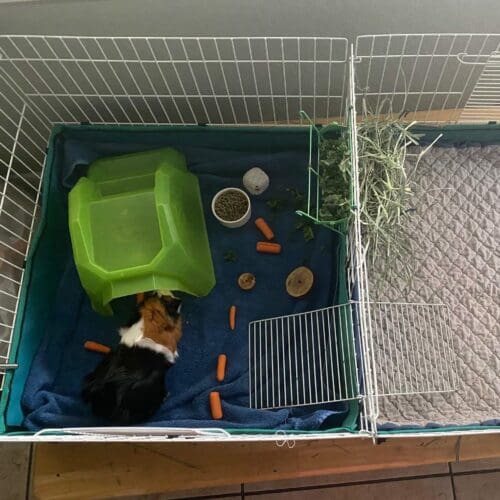
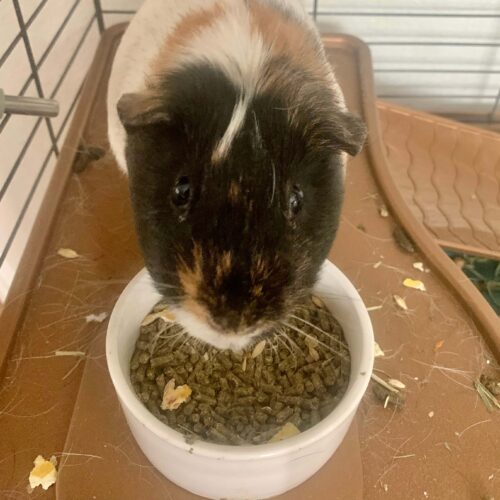
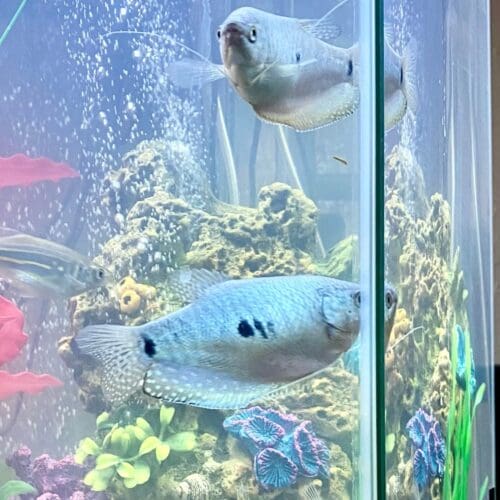
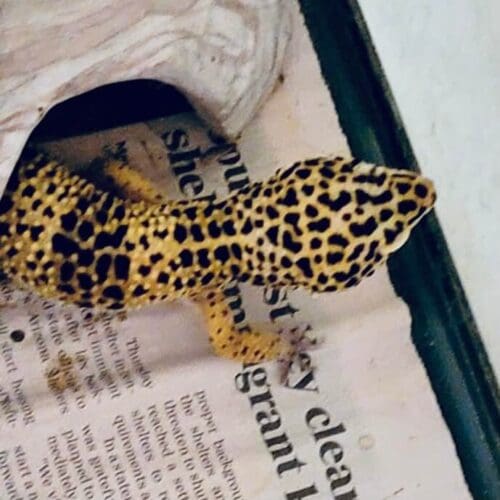
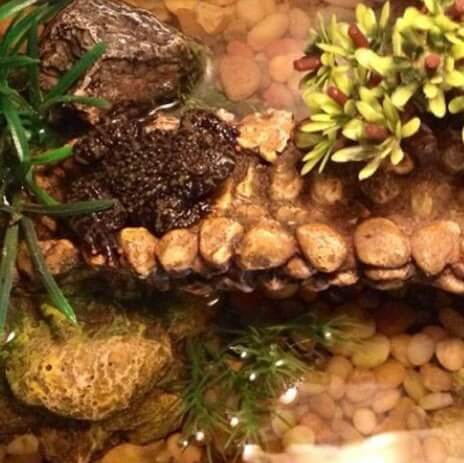
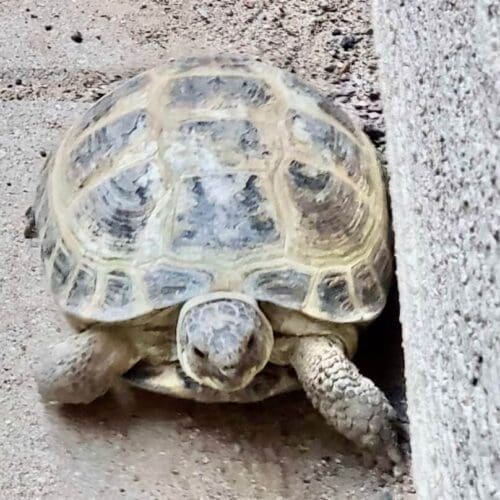
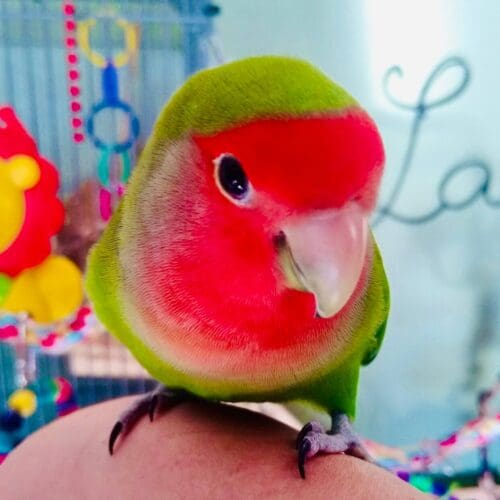
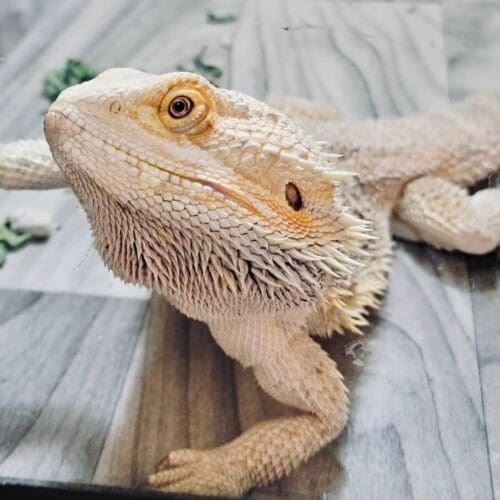
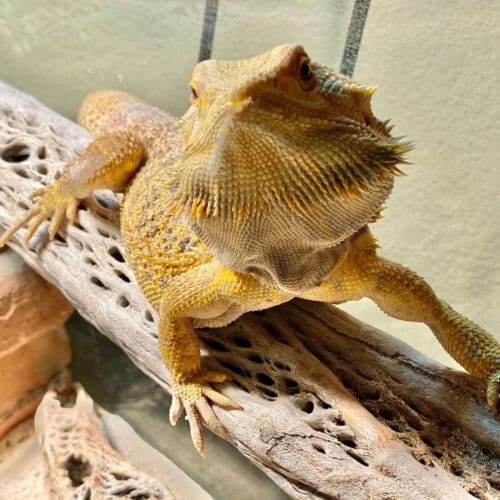
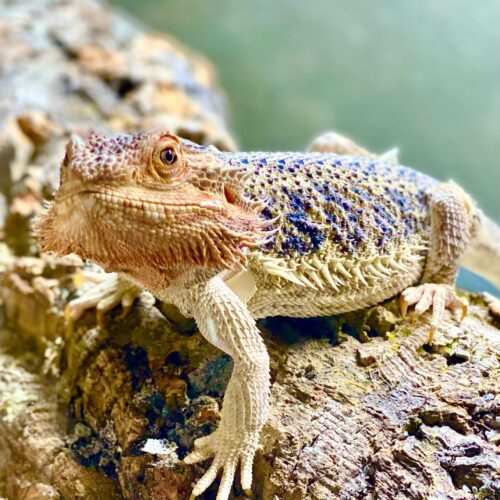
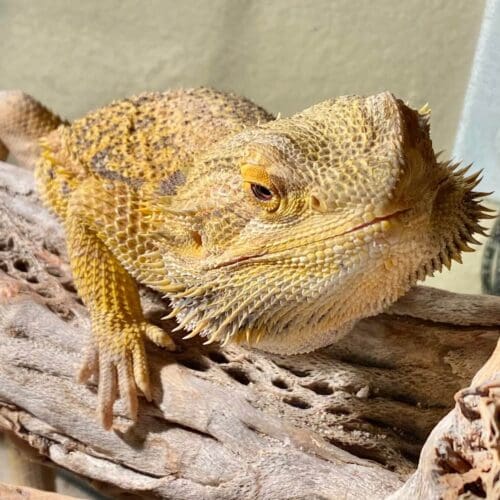
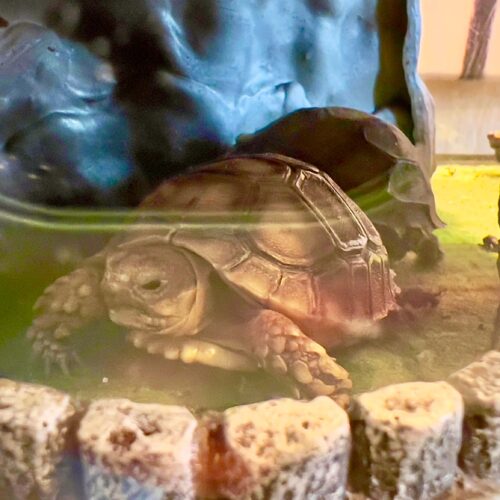
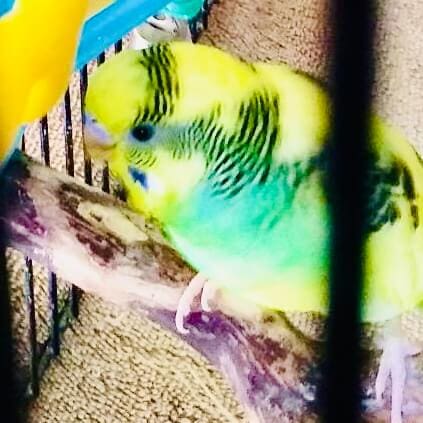
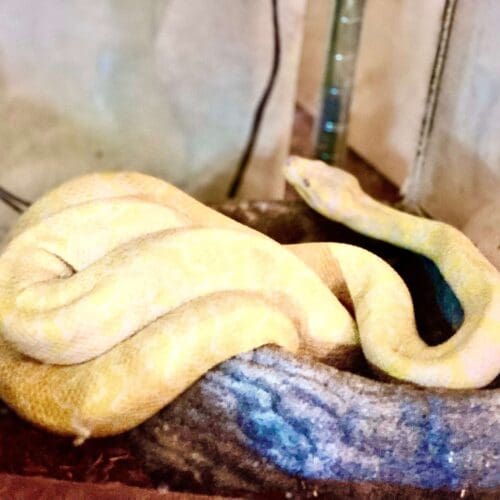
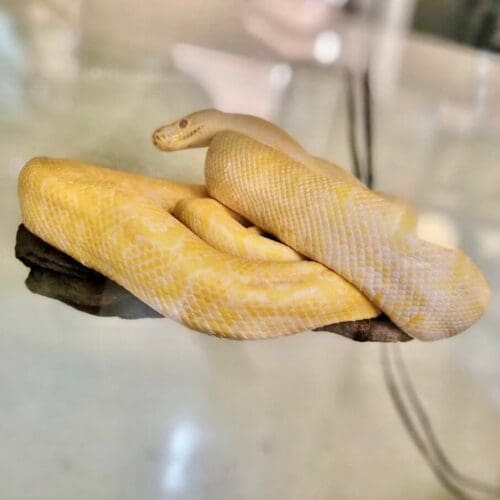
Dogs and cats are not the only animals that need care while their families are away. Many households also have other pets such as birds, reptiles, rabbits, guinea pigs, hamsters, or fish.
These animals often rely heavily on their environment and equipment for survival. Heating elements, filtration systems, lighting, and food sources must function properly for the animal to remain healthy.
Because of this, we typically recommend daily visits for most small animals and other household pets.
During these visits, a pet sitter can:
• provide fresh food and water
• monitor temperature or habitat conditions
• check that equipment is functioning properly
• ensure the animal appears healthy and active
Environmental Systems Can Fail
Many small animals rely on specialized equipment such as filters, heaters, or lighting systems. Equipment failures can happen unexpectedly, which is why regular visits help ensure habitats remain safe and functioning properly.
Environmental systems can fail unexpectedly
Unlike dogs or cats, many small animals depend on specialized equipment to maintain safe living conditions.
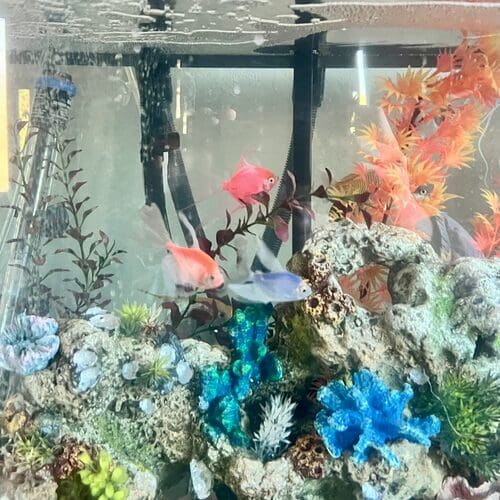
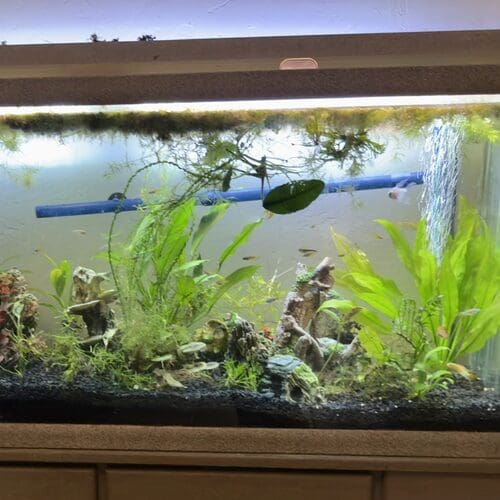
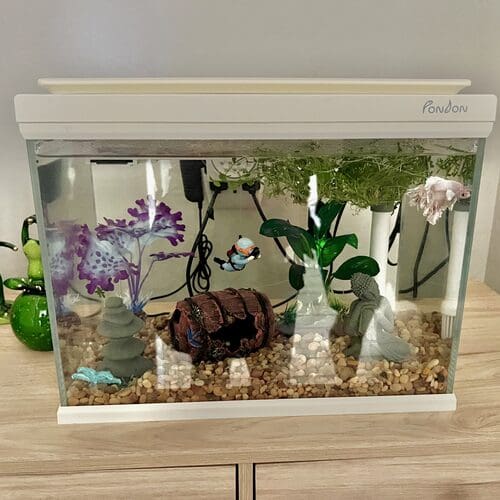
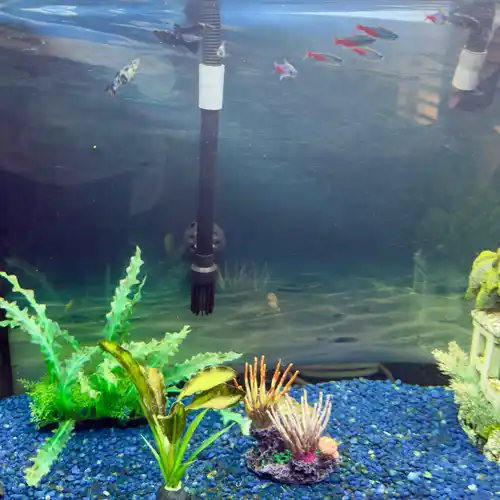
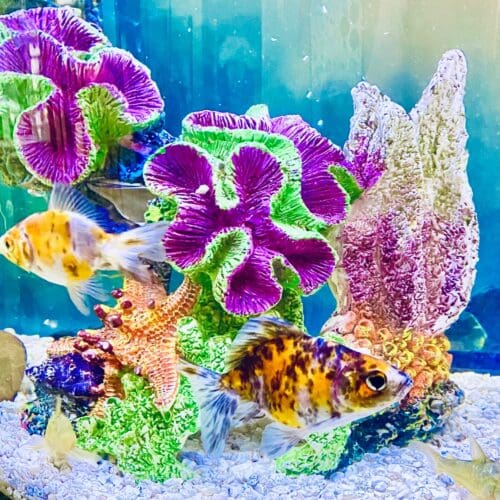
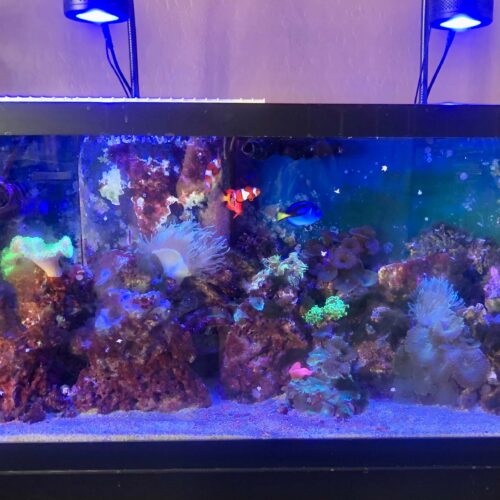
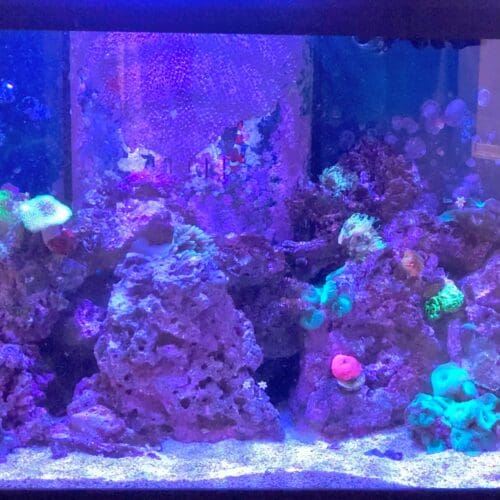
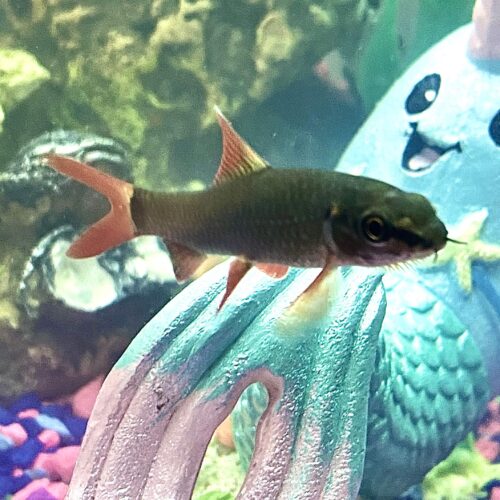
For example, aquariums rely on filtration systems to keep water clean and properly oxygenated. Heating elements, lighting systems, and pumps must all function correctly to keep the environment stable.
One morning, we woke up to discover that the external filter on a 75-gallon aquarium had malfunctioned overnight. The filter had drained a large portion of the tank onto the living room carpet.
Situations like this can happen to anyone. Without someone checking on the home or aquarium regularly, the damage to both the tank and the home could have been much worse.
Regular pet sitting visits help ensure that equipment issues like this are caught quickly before they become larger problems.
Other household pets still require regular monitoring
Even animals that appear low maintenance require consistent observation. Subtle changes in behavior or habitat conditions may indicate that something is wrong.
According to the American Veterinary Medical Association, pets such as birds, reptiles, and small mammals require careful monitoring of their environment, diet, and habitat conditions to maintain proper health.
Regular visits help ensure these pets remain safe and that their habitats continue functioning properly while their owners are away.






















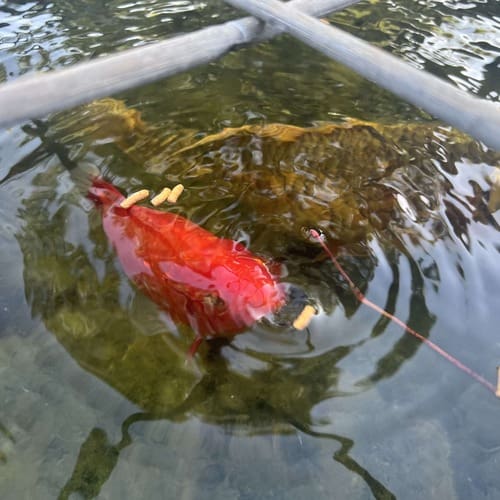


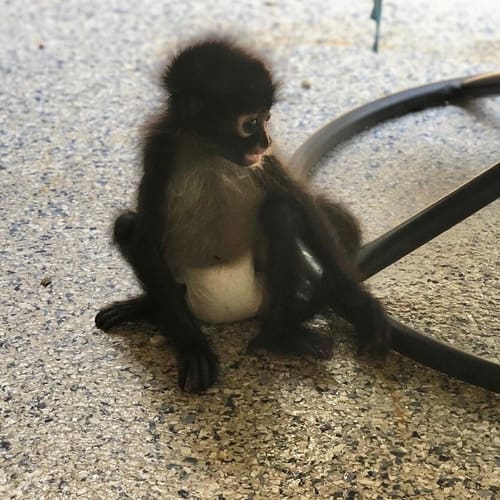
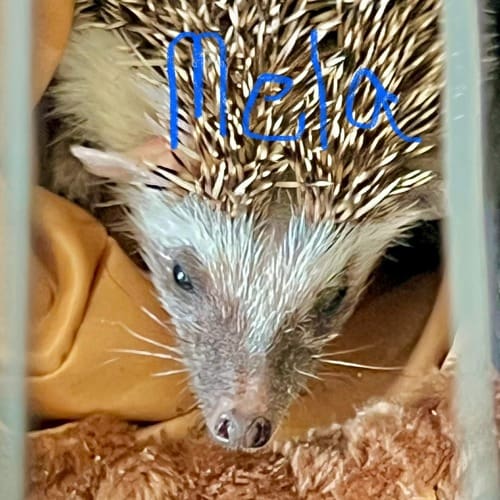


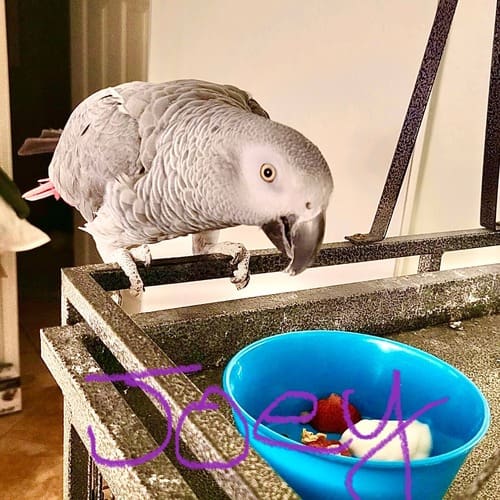


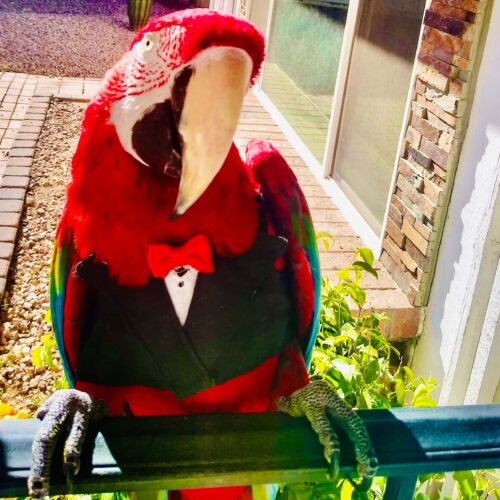
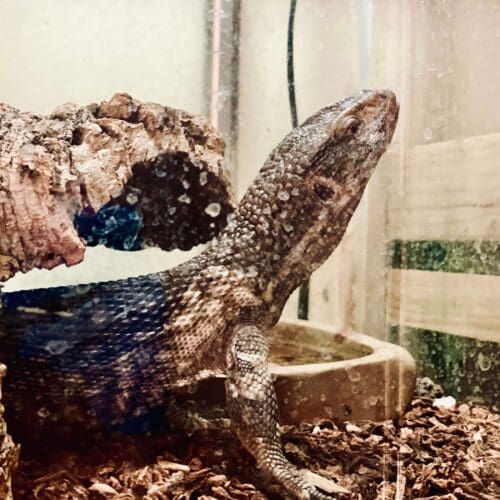
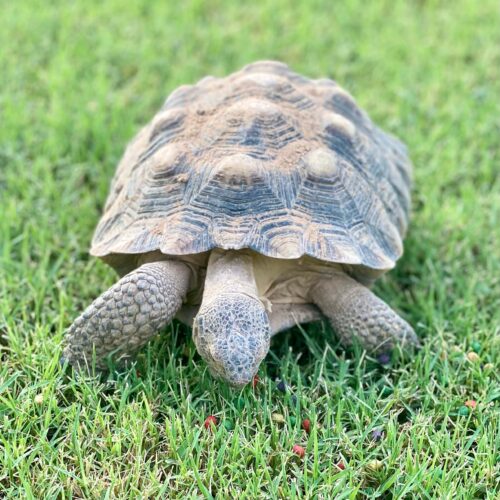
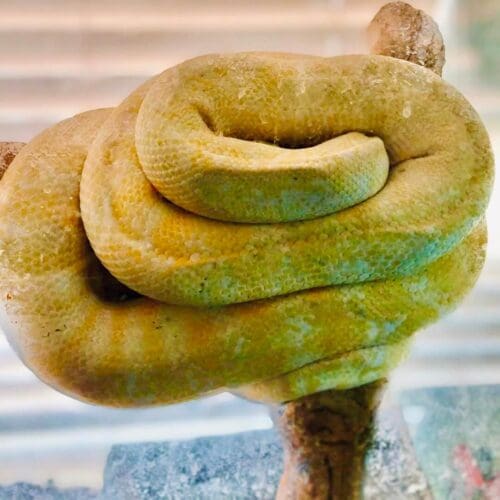






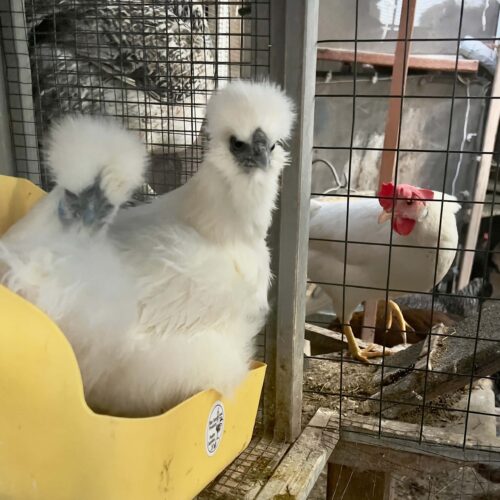
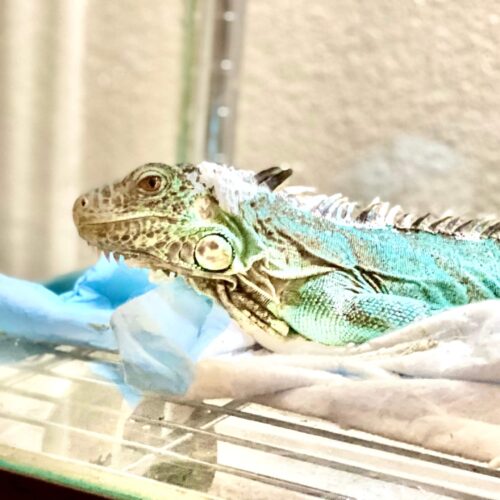

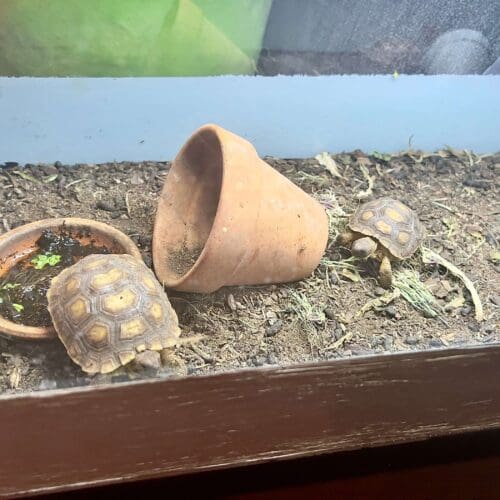
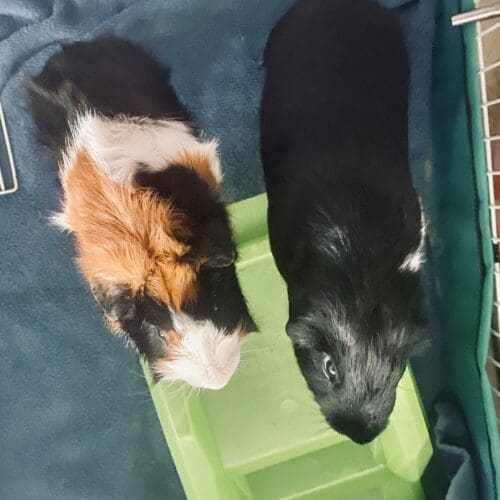







































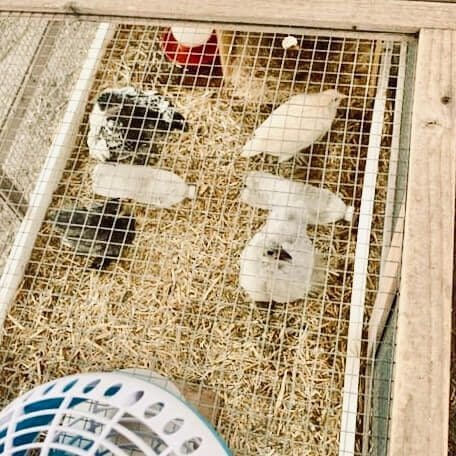
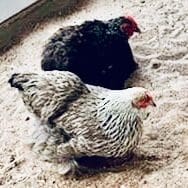
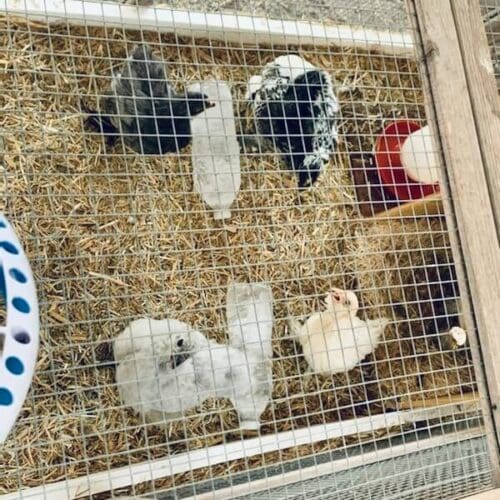
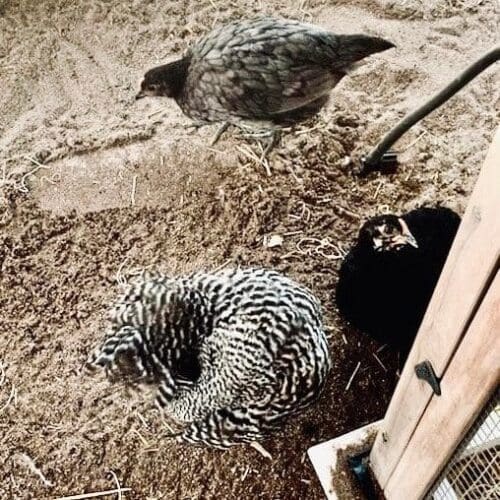
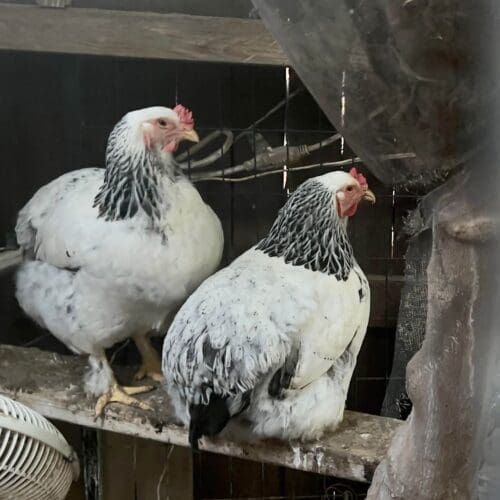

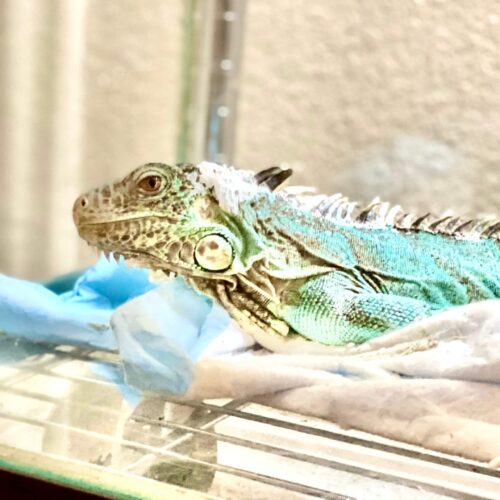
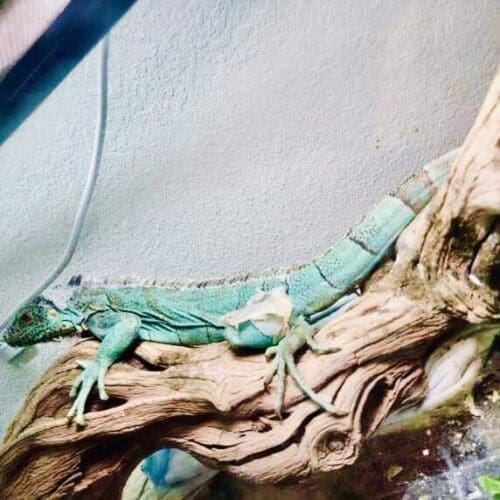
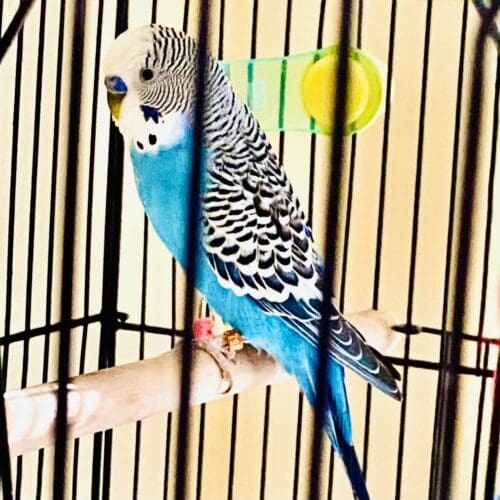





Why Regular Pet Sitting Visits Matter
Most pet sitting visits are routine and uneventful. However, regular check-ins provide an important layer of protection for both pets and homes.
Over the years, we have seen firsthand how small issues can quickly become serious problems when no one is available to catch them early.
Health emergencies can happen unexpectedly
During one visit, we stopped by to care for two Great Dane puppies while their family was attending a wedding. When we arrived, we noticed that one of the dogs, Grace, had significant swelling around her face.
She appeared to be having an allergic reaction, possibly from a bee sting or scorpion. We immediately contacted her owners, administered Benadryl, and called an emergency veterinarian for guidance. Because the swelling was close to her airway, the owners returned home to take her directly to the emergency vet.
Situations like this show how quickly a pet’s health can change and why regular visits provide an important safety net.
Home issues can become major problems without someone checking in
Pet sitters are not only caring for pets. They are also keeping an eye on the home environment while owners are away.
During one visit, we noticed a water stain forming on a ceiling that had not been there before. After investigating further, we discovered a toilet upstairs had overflowed. We were able to shut off the water and notify the homeowners before the damage became significantly worse.
Without someone checking on the house, the water damage could have quickly spread throughout the home.
Arizona heat can create additional risks
Living in Arizona means environmental conditions can change quickly. Air conditioning failures or extreme heat can become dangerous for pets if no one is checking on the home regularly.
In fact, several years ago a tragic story made local news after a home’s air conditioning failed while the owners were away. Because visits were scheduled infrequently, the pets were not discovered until it was too late.
Stories like this are heartbreaking, but they also highlight why regular visits provide an important safety net for pets.
Regular visits provide peace of mind
Most of the time, pet sitting visits are simple check-ins that include feeding, refreshing water, cleaning litter boxes, and spending time with pets.
However, the true value of professional pet sitting often appears in moments like these, when someone is there to notice that something is wrong and take action quickly.
Regular visits help ensure pets remain safe, comfortable, and cared for while their families travel.
Choosing the Right Pet Sitting Visit Schedule
Every pet has unique needs, so the ideal visit schedule will depend on several factors including the type of pet, their age, and their daily routine.
When deciding how often a pet sitter should visit, consider the following questions.
How often does your pet normally go outside?
Dogs that are used to regular bathroom breaks typically require three visits per day while their owners are away.
Puppies, senior dogs, and dogs with medical conditions may require more frequent care.
Does your pet require medications?
Pets that require medication or specialized care often benefit from more frequent visits. Regular check-ins ensure medications are given on schedule and allow a sitter to monitor the pet’s condition.
How independent is your pet?
Cats and some small animals may be comfortable with visits every other day, while more social pets benefit from daily interaction and monitoring.
Are there environmental factors to consider?
Equipment failures, water leaks, extreme temperatures, or other unexpected issues can occur in any home. Regular visits provide an added layer of safety for both pets and property.
Need a Reliable Pet Sitter in Glendale?
At FurBabies & Friends, we work with pet owners throughout Glendale and the Phoenix West Valley to create a pet sitting schedule that keeps pets comfortable while giving owners peace of mind that someone is checking on both their pets and their home.
If you are planning travel and want peace of mind that your pets and home are being monitored, FurBabies & Friends provides professional pet sitting services throughout Glendale and the Phoenix West Valley.
Our team provides personalized care for dogs, cats, and other household pets so they can remain safe and comfortable in their own home while you are away.
Frequently Asked Questions About Pet Sitting Visits
Most adult dogs benefit from at least three visits per day while their owners are away. These visits allow dogs to go outside for bathroom breaks, eat meals, and receive exercise and attention.
Dogs without access to a doggie door should not be left alone for long periods of time. Regular visits help maintain their routine and reduce stress while their family is traveling.
Leaving a dog alone for 12 hours is generally not recommended. Most dogs should have the opportunity to go outside every six to eight hours.
According to guidance from the American Kennel Club, adult dogs typically need regular opportunities to relieve themselves throughout the day.
Most cats should receive at least one visit every other day while their owners are away. During these visits, a pet sitter can refresh food and water, clean the litter box, and check for signs of illness.
Even independent cats benefit from routine monitoring. Changes in appetite, behavior, or litter box
use can sometimes indicate health concerns.
The American Veterinary Medical Association recommends monitoring cats regularly for changes in behavior or eating habits.
Some pet sitters offer overnight care, while others specialize in scheduled drop-in visits throughout the day.
Drop-in visits are often a flexible option for pets that are comfortable staying home alone between visits. Overnight care may be beneficial for pets that require constant supervision or experience separation anxiety.
Professional pet sitters monitor pets during every visit and contact the owner and Kristie if they notice signs of illness or injury. A veterinary release form is part of FurBabies & Friends standard paperwork during the meet and greet allowing the team to authorize care in an owners absence. A digital copy of this form, and others, are securely saved should your pet require care in your absence to ensure timely care.
About the Author
Kristie Halverson is the owner and trainer at FurBabies & Friends, a force-free, positive-reinforcement pet service company based in Glendale AZ. She’s a member of the Pet Professional Guild, APDT, IAABC, and PSI, and an approved AKC CGC & STAR Puppy Evaluator. Kristie leads a team of bonded and insured pet sitting professionals serving Glendale and the Phoenix West Valley.
Follow along on TikTok, Instagram and Facebook @furbabiesandfriendsaz for upcoming walks, events, and training tips.
Choosing a pet sitter in Glendale AZ is not just about finding someone available. If you are comparing options for in-home pet sitting in Glendale AZ, make sure you understand what separates a hobby sitter from a professional service. You are trusting a person with your home, your pet’s routine, and your pet’s safety. A professional pet sitter should be reliable, prepared, and clear about what they do during each visit. Use the checklist below to hire with confidence in the Phoenix West Valley.
Quick checklist before you hire
- Bonded and insured
- Clear visit routines and safety steps
- Consistent updates with photos
- Experience with your type of pet and needs
- Strong reviews that specifically mention pet sitting
- A plan for emergencies and medical issues
1. Is your pet sitter in Glendale AZ bonded and insured?
A professional pet sitter should be bonded and insured. This protects you, your home, and your pet if something unexpected happens. If someone cannot clearly explain their coverage, that is a red flag. Many families prefer working with a bonded and insured pet sitting team that has clear policies and structured visit standards.
If you want to compare options, start with providers that openly list their insurance and business protections, then narrow down from there. You can also review professional standards outlined by organizations like Pet Sitters International to understand what separates trained professionals from casual hobby sitters.
2. Make sure “in-home pet sitting” means real care, not a quick pop-in
Ask what happens during a typical visit. A quality in-home pet sitter should do more than food and water.
Look for specifics like:
- Potty breaks and supervised yard time
- Fresh water checks and bowl cleaning
- Feeding based on your instructions
- Light home check-ins, such as lights or packages
- Basic enrichment like calm play, brushing, or a short walk if appropriate
If your pet needs more support, ask whether they provide longer visits or overnight pet sitting.
3. Ask how they handle safety and home access
Professional pet sitters should have a clear process for keys, entry, and security.
Ask questions like:
- How do you store keys and access codes
- Do you confirm doors are locked when leaving
- Do you ever bring extra people into the home [the answer should be no]
- What do you do if you cannot access the home
A reliable pet sitter will not act offended by these questions. They will welcome them.
4. Look for experience with your pet type and routine
Not every sitter is a good fit for every pet. Ask about experience with:
- Puppies that need frequent potty breaks
- Older pets and mobility needs
- Shy or fearful dogs
- Multi-pet households
- Cats that hide or stress easily
- Pets that need medication
If your dog has training cues you use daily, ask if the sitter will follow them. Consistency matters, especially during travel.
5. Confirm what communication looks like during each visit
Great pet sitting is boring in the best way. You should know your pet is fine without feeling the need to check in constantly.
Ask what updates include:
- A short message summary
- Photos
- Confirmation of food, potty, and any concerns
- Notes on behavior changes like reduced appetite or stress signals
If the sitter is vague about updates, expect vague service.
6. Ask what happens if your pet gets sick or there is an emergency
This is where professionals separate themselves from hobby sitters.
Ask:
- Do you have an emergency contact process
- What vet or emergency vet do you use if I cannot be reached
- Can you transport pets if needed
- Do you have experience with medication administration
If you travel often, this question should be non-negotiable.
7. Do not ignore reviews, but read them correctly
Do not just look at star ratings. Read reviews that specifically mention pet sitting, “overnight,” “drop-in visits,” “vacation care,” or “house sitting.”
If most reviews only mention training or grooming, the company may offer pet sitting, but it might not be their strongest service. You want to see proof that their pet sitting is consistent and well-run.
8. Make sure pricing and visit structure are clear
Professional pet sitting should have clear visit options and pricing. Ask what is included, what costs extra, and what qualifies as an emergency add-on.
Avoid sitters who:
- Cannot explain their pricing structure
- Change pricing randomly without clear reasons
- Are unclear about cancellations, late requests, or holiday scheduling
Clarity upfront prevents problems later.
9. Choose a local team when you need reliability
A local Glendale area pet sitter, or a team with coverage in the Phoenix West Valley, is often more reliable than someone juggling pet sitting as a side job. Teams can provide backup coverage if someone gets sick or has an emergency.
Reliability is the product. Everything else is extra.
10. Trust your gut, but use standards
If something feels off, walk away. A professional pet sitter should be calm, clear, and confident, not pushy, not vague, and not careless.
If you want support from a team that already works with pets daily across the West Valley, you can learn more about our in-home pet sitting services in Glendale AZ here.
Most pets do best with at least one to three visits per day depending on potty needs, feeding schedule, and anxiety level. Puppies and older pets usually need more frequent visits.
For many pets, yes. In-home pet sitting allows pets to stay in their familiar environment, keep their routine, and avoid exposure to illness or stress from unfamiliar animals.
Leave clear feeding instructions, emergency contacts, vet information, medication directions, and any behavior notes. It also helps to leave leash, harness, waste bags, and preferred treats in one easy spot.
A professional pet sitter should have an emergency plan, communicate quickly, and follow your vet instructions. Make sure you provide a preferred vet and emergency vet option before you travel.
About the Author
Kristie Halverson is the owner and trainer at FurBabies & Friends, a force-free, positive-reinforcement pet service company based in Glendale AZ. She’s a member of the Pet Professional Guild, APDT, IAABC, and PSI, and an approved AKC CGC & STAR Puppy Evaluator. Kristie also oversees professional in-home pet sitting and dog walking services, ensuring every visit follows structured safety and care standards.
Follow along on TikTok, Instagram and Facebook @furbabiesandfriendsaz for upcoming walks, events, and training tips.